Showing posts with label Social Media. Show all posts

Thursday, September 10, 2026

Print vs Digital Marketing - Which Wins?

print vs digital marketing

Introduction: Print vs Digital Marketing in 2027

The print vs digital marketing debate looks different for 2027 than it did five years ago. Local retail shops still distribute flyers and place ads in local newspapers. B2B SaaS companies run LinkedIn campaigns and webinars. Non-profits split budgets between direct mail appeals and email fundraising. Each marketing method serves different purposes and audiences effectively, and a combination of print and digital marketing is often the most effective strategy.

Here is the core answer up front: neither channel "wins" overall. Print marketing - catalogues, brochures, direct mail - builds deeper trust and credibility than digital marketing in many contexts. Digital marketing - digital ads, search, social media platforms, email - dominates in reach, speed, and measurability. The most cost-effective mix depends on your target audience, campaign goals, and budget.

This article will show you:

  • Where print media wins on trust, brand recall, and local presence

  • Where digital advertising wins on reach, speed, and ROI

  • How to combine print and digital channels for results more than 2x better than single-channel efforts

What Is Print Marketing (and Why It Still Works)?

Print marketing uses physical promotional materials to reach consumers. Formats include newspapers, a magazine ad, catalogues, brochures, flyers, posters, in-store signage, packaging, and direct mail letters or postcards. These printed materials often remain visible for days or months - a brochure sitting on a desk keeps working long after a digital message disappears from a feed.

Why does print still deliver? Because the majority of people trust print ads more than digital ads. Print advertising feels trustworthy thanks to its physical presence, the absence of pop-ups, and a perceived editorial rigor. Print marketing creates a tangible connection with your audience - print ads create a tactile experience that enhances brand recall, and print grabs attention in ways a scrollable feed cannot.

Consider Karen Millen's data-driven direct mail campaign: a 16-page lookbook targeting lapsed customers achieved 8.5× ROI and a 2.76% response rate. High-quality printed materials communicate professionalism and attention to detail, and print ads can lead to higher response rates for targeted audiences. Modern variable data printing now allows personalisation by neighbourhood, industry, or past purchase behavior in short digital print runs.

Key Benefits of Print Marketing

  • Trust: print marketing can reinforce local presence and brand credibility

  • Tangibility: print marketing can create lasting physical impressions on consumers

  • Recall: print marketing can lead to better retention and recall due to its tangible nature

  • Longevity: physical marketing materials can have a longer lifespan than digital content

  • Attention: print marketing often leads to longer attention spans than digital marketing

clean desk with printed postcards and brochures next to an open laptop displaying digital analytics

What Is Digital Marketing (Beyond Just Online Ads)?

Digital marketing utilizes online channels to reach customers across search ads, social media ads, programmatic display, email, SMS, content marketing, video, and marketing automation. Think Google Ads, Meta carousel ads, LinkedIn sponsored posts, YouTube pre-roll, and in-app mobile display. These digital channels go far beyond a single online ad - they form a full digital marketing strategy.

Digital marketing often has lower barriers to entry than print marketing. Digital campaigns can be launched and modified quickly, and digital marketing allows for rapid experimentation and optimization. It can generate immediate user engagement and interaction through dynamic content, while digital marketing provides real-time analytics for tracking performance. Digital ads can reach larger audiences more quickly than print - U.S. internet ad revenue hit $294.6 billion in 2025, with digital channels now accounting for roughly 74.4% of global ad spend.

Key Benefits of Digital Marketing

  • Always-on availability: digital marketing allows for real-time performance tracking 24/7

  • Targeting: digital marketing allows for precise targeting based on user behavior, reaching specific audiences and younger audiences alike

  • Retargeting: digital marketing enables targeted audience retargeting strategies across other websites

  • Speed: digital marketing supports rapid testing and adjustments

  • Scale: a B2B webinar or e-commerce retargeting campaign can reach buyers across continents at a marginal incremental cost

Print vs Digital Marketing: Key Differences That Drive Your Strategy

The choice between print and digital marketing depends on audience demographics and behaviors - not on which channel is "better" in isolation. Your target market, buying cycle, ticket size, and whether you want awareness, leads, or direct sales all shape the answer.

Print marketing is generally more difficult to measure than digital marketing, but it commands deeper attention. Research suggests print delivers 70–80% higher recall than digital ads in some studies. Meanwhile, nearly 98% of consumers say there are too many digital ads - they skip, block, and ignore them. Print marketing is often considered more trustworthy by consumers than online ads, while digital marketing allows for quick tracking and audience targeting at scale.

Key Differences of Print and Digital Marketing

  • Trust vs scale: print marketing creates lasting impressions and builds trust; digital reaches more people faster

  • Cost: print marketing typically involves higher upfront production costs (design, paper, postage); digital uses CPC/CPM bidding with lower entry but rising competition

  • Measurability: digital offers granular dashboards; print requires QR codes, trackable URLs, or unique promo codes

  • Keeping branding consistent matters across both print and digital channels

  • Local vs global: print excels for local walk-in traffic; digital communication scales worldwide

  • Tangible experiences vs interactivity: print engages the senses; digital delivers online content and video instantly

person holding a printed postcard and a smartphone using social media in the other

Where Print Marketing Wins in 2027

Print media still excels when campaigns depend on trust, memorability, and local presence - particularly for high-consideration or regulated products.

Concrete use cases where a direct mail campaign outperforms:

  • Association membership renewals and non-profit donor appeals - physical mail forces a tangible response

  • Financial services welcome packs and healthcare information mailers that deliver detailed information with gravitas

  • University prospectuses that engage both students and parents

  • Local restaurant menus, door drops, and real estate mailers that build physical presence

Florida Seawall Solutions ran a 5,000-piece direct mail campaign and achieved +1,686% ROI. Good American used postcards for win-back campaigns and hit 8× ROI with $1.40 incremental revenue per send. In a digital age of inbox overload, low competition in the physical mailbox gives print a real edge. Print marketing creates lasting impressions and builds trust where digital simply cannot replicate the sensory experience.

Cost-effective approach: use postcode-level targeting and short-run variable data printing. Send premium pieces only to high-value accounts rather than blanketing entire regions.

Where Digital Marketing Wins (Reach, Speed, and ROI)

Digital marketing dominates when you need speed, scalable reach, and clearly attributed ROI. E-commerce, SaaS, and lead generation campaigns thrive here.

Consider these scenarios: a B2B LinkedIn Ads campaign targeting CIOs delivers measurable cost-per-lead in days. An Instagram Reels campaign for a D2C beauty brand reaches younger audiences globally. Google Search ads funnel high-intent potential customers to a landing page with full conversion tracking. Digital video revenue alone grew 25.4% to $78 billion in 2025.

Digital marketing allows for fast tracking and audience targeting - you can track engagement through impressions, CTR, CPA, and ROAS, then adjust budgets within hours. Focusing on data-driven optimization, you create campaigns that engage your target audience with precision, using lookalike audiences, abandoned-cart retargeting, and behavior-triggered email sequences. Digital work scales in ways print simply cannot: lower initial costs, global reach, and the ability to deliver a message to the right person at the right moment to drive a purchase.

The caveat: competitive niches like legal and insurance see rising CPC, so operational efficiency in optimization is essential to maintain margins.

How to Combine Print and Digital for a Stronger Marketing Strategy

Integrating print and digital consistently outperforms single-channel efforts. Businesses using both print and digital see up to 4x better results, and research shows businesses using both print and digital see around a 50% sales increase. Using both channels improves engagement quality and operational efficiency across the entire funnel.

combining print and digital marketing

Practical tactics to combine print and digital:

  • Add a QR code linking to a landing page or webinar sign-up on every postcard or brochure

  • Include social media handles on printed materials to bridge offline and online engagement

  • Use digital data to trigger print: send a high-quality mailer when a lead reaches a certain CRM score or stops engaging with email after 60 days

  • Track engagement through vanity URLs, unique discount codes, and QR scans that feed back into your digital communication flows

  • A coordinated approach enhances consistency and member experience across every touchpoint

Real-world examples that deliver success:

  • A local fitness studio runs Facebook ads targeting nearby zip codes, then distributes door-hangers with a QR code for a free class - combining digital reach with print's local credibility

  • A B2B company uses LinkedIn outreach plus a personalised printed pitch book mailed to key decision-makers, followed by a video call

  • A retail brand sends catalogues to high-spend customers with promo codes redeemable on their website, then retargets non-responders with digital ads

Choosing the Right Mix: Practical Guidelines and FAQs

Your marketing strategy should start with your audience. Consider demographics, buying cycle, budget, and internal capabilities before choosing channels.

Decision rules:

  • For fast validation on small budgets, start with digital advertising to test messaging before committing to print

  • For high-ticket deals, membership renewals, or regulated industries, layer in print to build trust with your target market

  • For local, walk-in traffic, maintain a strong print presence (signage, flyers, local newspapers) backed by search visibility

  • Test messages cheaply with digital ads first, then roll winning concepts into targeted print campaigns - this is how you keep your strategy both effective and cost-effective

As we noted in a previous post on selling services to small businesses, building trust is the foundation of every sale. The same principle applies to your marketing channels: print builds trust through tangible experiences, digital builds trust through speed and data.

Common questions answered:

  • Is print marketing dead in 2027? No. Direct mail and print ads deliver a strong ROI when targeted strategically.

  • Which is cheaper? Digital has lower entry costs per contact. Print has higher upfront production costs but can outperform on conversion rates for specific audiences.

  • Can you track ROI on print? Yes - through QR codes, unique offer codes, dedicated phone numbers, and marketing mix modelling.

  • Should small businesses invest in print media? Absolutely, especially for local businesses looking to engage walk-in customers and create a physical presence that digital alone cannot match.

The brands winning in 2027 aren't choosing sides. They're choosing the right channel for each moment in the buyer's journey. Start by testing your message digitally, then layer in print where trust and tangibility matter most.

Clash Graphics Print Shop Atlanta Flyer Printing
2233 Peachtree Rd NE Ste 202 Atlanta, GA 30309
(678) 235-3464

To view the original version on Clash Graphics, visit: https://www.clashgraphics.com/printing-tips/print-vs-digital-marketing-which-wins/

Thursday, June 18, 2026

What is Content Marketing?

Content marketing is one of those terms that gets thrown around constantly, but few people can explain what it actually involves beyond "making stuff and posting it." With AI tools reshaping how content gets created and consumed, the definition matters more than ever. This article breaks down what content marketing really is, how it works across the customer journey, the formats that matter most, and how to build a strategy that drives measurable results.

what is content marketing

Key Takeaways

  • Content marketing is a strategic, long-term approach to creating and distributing valuable digital content, like blog posts, videos, and podcasts, that attracts and retains a specific target audience and drives profitable customer action.

  • Effective content marketing maps to the full customer journey (awareness, consideration, decision, and post-purchase loyalty), unlike traditional advertising that focuses mostly on interruption and awareness.

  • The main content formats include blog posts, social media posts, video content, email newsletters, podcasts, ebooks, and webinars. Savvy content marketers mix several and repurpose across channels.

  • A successful content marketing strategy follows a simple framework: set business goals, define your audience, choose content formats and channels, build a content calendar in content management software, then measure and refine.

What Is Content Marketing?

Content marketing is the creation of valuable, relevant content designed to attract and engage target audiences-and ultimately drive profitable customer action. Rather than pitching products directly, you create content that solves problems, answers questions, or entertains. The goal is to build trust and nurture customer relationships over time, so that when someone is ready to buy, your brand is top of mind.

Content marketing is a form of inbound marketing. This core digital marketing strategy deserves a place in your marketing plan. It earns attention by being genuinely useful instead of interrupting people with paid ads. This is how content marketing differs from traditional advertising: unlike traditional advertising, which pushes messages at people who didn't ask for them, content marketing pulls people in because the content itself has value.

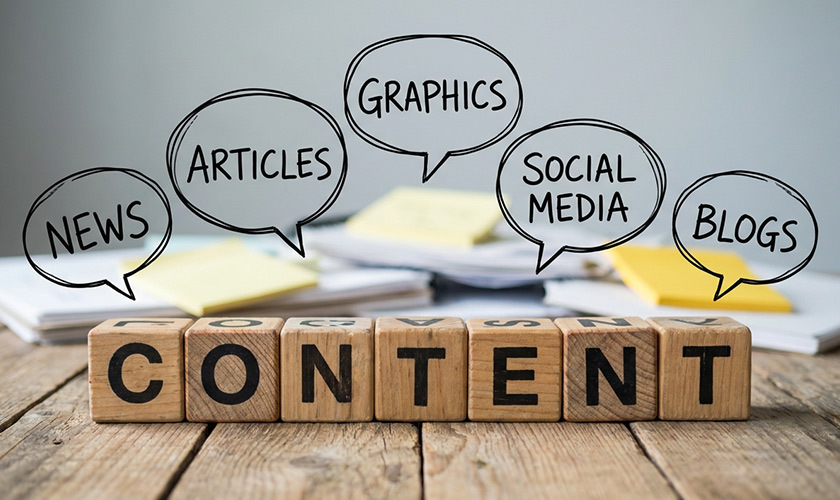
Content marketing includes formats such as blogs, videos, and podcasts, as well as social media posts, email newsletters, ebooks, webinars, infographics, interactive tools, and user-generated content. All of these are examples of digital content that can be repurposed across distribution channels.

Here's the critical part: content marketing is not random posting. It's guided by a documented content marketing strategy that connects every digital asset to business goals like lead generation, sales, or retention. Without that strategy, you're just creating noise.

Quality content builds trust and establishes brand authority. That's true whether you're a startup or a Fortune 500.

Think of Airbnb's neighborhood guides-they don't sell rooms directly but build trust by helping travelers with local knowledge. Or Red Bull's extreme-sports videos that turn a drink brand into a media company. These brands succeed because they deliver content that their audience genuinely wants.

How Does Content Marketing Work Across the Buyer Journey?

Effective content marketing maps to key stages of the buyer's journey: awareness, consideration, decision, and post-purchase loyalty. Content marketing should address specific user needs at different stages of the buying journey, and mapping content to the buying process is essential for moving people from "just browsing" to "loyal customer."

Think of it as a funnel. At the top, you're attracting a broad audience with educational content. In the middle, you're helping them evaluate options. At the bottom, you're giving them the proof they need to buy. And beyond the marketing funnel, you're keeping existing customers engaged and turning them into advocates.

A strong content strategy ensures each stage has the right topics, content formats, and calls-to-action. Here's how it breaks down.

person sitting at desk working on a laptop planning their content marketing strategy

Awareness Stage: Attracting the Right Audience

At the awareness stage, potential customers are just realizing they have a problem or goal. They're searching broadly, think queries like "how to reduce customer churn" or "best email marketing tips." They aren't comparing products yet.

Content here must focus on audience pain points and questions, not your product. The job is to educate and build trust.

Best content formats for awareness:

  • SEO-optimized blog posts and how-to articles

  • Explainer videos and social media content (Reels, Shorts, TikTok)

  • Infographics and entry-level guides

  • Top-of-funnel podcasts and social media threads

For example, a B2B SaaS company might publish a trend report on "2026 customer retention strategies," while a DTC brand could release short TikTok tips on sustainable packaging. Neither piece sells anything-they earn attention by being useful.

Metrics at this stage include organic traffic, impressions, new visitors, and social media engagement. You're measuring reach and interest, not direct sales.

Consideration Stage: Evaluating Options

In the consideration stage, people are comparing solutions. They're searching for things like "email platform vs CRM" or "best content marketing platform for startups."

Content should blend education with gentle product positioning. Show how certain approaches or features solve the reader's problem. Content marketing can improve lead quality by attracting targeted customers who are actively researching solutions like yours.

Recommended formats:

  • Detailed comparison guides and blog posts

  • Webinars with live Q&A

  • Case studies with customer stories and real before-and-after metrics

  • Downloadable checklists and email nurture sequences

Key metrics shift toward qualified leads, demo sign-ups, email subscribers, and content downloads.

Decision Stage: Converting to Customers

At the decision stage, prospects are ready to buy. They need proof, reassurance, and clarity on ROI, not basic education. This is where your content marketing efforts directly support the sales process.

Effective formats include:

  • Detailed case studies with concrete numbers

  • Product demo videos and feature comparison pages

  • FAQs and pricing pages with explainer content

  • Customer testimonial videos

Research consistently shows that buyers read between 3 and 7 pieces of content before speaking to sales. That means your decision-stage content needs to be rock-solid and easy to find.

Calls-to-action here are direct: "start free trial," "book a demo," or "talk to sales"-integrated naturally into engaging content.

Post-Purchase: Retention, Expansion, and Advocacy

Content marketing doesn't stop after the sale. Post-purchase content helps reduce churn, increase customer lifetime value, and turn existing customers into advocates. Content marketing builds trust and loyalty with customers over time, and this stage is where that compounds.

Post-purchase content formats:

  • Onboarding email sequences and in-app tutorials

  • Advanced how-to articles and customer webinars

  • User communities and customer-only newsletters

  • Invitations for case study participation and reviews

This content supports upsell and cross-sell opportunities while building customer loyalty. Retention-focused metrics include product adoption rates, repeat purchases, account expansion, and referral volume-all of which connect to long-term business objectives like predictable revenue and lower acquisition costs.

Why Content Marketing Matters

Modern marketing is driven by search engines, social algorithms, and buyer self-education. Buyers do their own research before ever talking to a salesperson. That makes content marketing central to growth for businesses of any size.

  • Content marketing done effectively generates more leads than interruption marketing

  • Most B2B marketers incorporate content marketing into their strategy.

  • Brands with strong content marketing see compounding returns over time, as evergreen blog posts and videos continue to work for years after production and posting.

Content marketing increases brand visibility and organic search traffic, making your brand discoverable without relying solely on paid advertising. Companies with strong content marketing strategies have lower customer acquisition costs because they're earning attention rather than renting it.

At the same time, creating engaging content is increasingly difficult for marketers. AI saturation, zero-click search results, and crowded inboxes mean that only you can differentiate your brand through genuine expertise, personal stories, and a clear point of view. Content marketing aims to drive profitable customer action, but currently, that requires more depth and originality than ever.

Content marketing directly supports common business goals: brand awareness, qualified lead generation, lower acquisition cost, improved sales enablement, and stronger brand loyalty.

Key Types of Content and When to Use Them

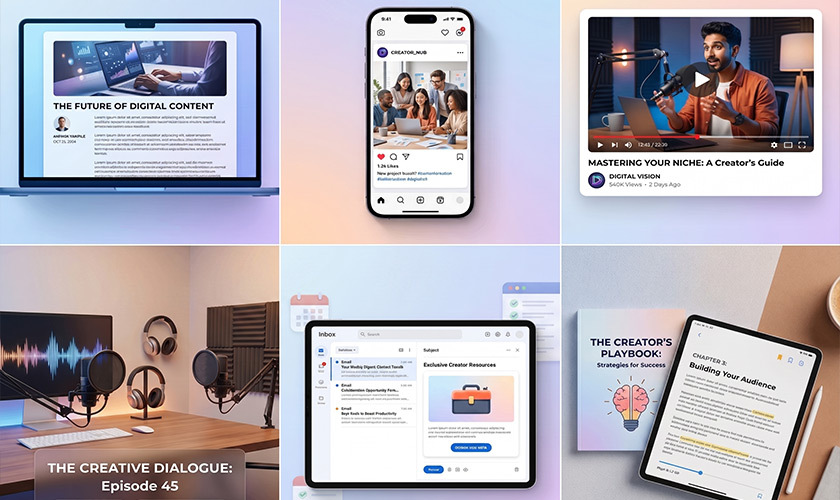
types of content used in digital content marketing

Brands rarely rely on a single format. Instead, savvy content marketers mix several content formats and repurpose them-a webinar becomes video clips, a blog post, and an email series. Savvybusinesses use infographics and video as tools in their marketing strategies. The variety is what keeps your social media presence and website fresh.

All of these formats live inside a broader content management system or content marketing platform, which helps organize, publish, and measure your content marketing initiatives.

Blog Posts and Long-Form Articles

Blog posts are the backbone of many content strategies. They drive organic search traffic, provide depth on topics your audience cares about, and are ideal for awareness and consideration stages.

Many internet users at some point during reseach read blog content, which makes blog posts one of the most reliable ways to reach potential customers through search engines. SEO is important for content distribution to enhance visibility. Strong blog content requires a clear structure, keyword research, internal links, and compelling calls-to-action.

Types of blog posts that work well:

  • How-to guides and tutorials

  • Thought-leadership essays with a contrarian take

  • Industry trend breakdowns

  • "Ultimate guides" that cover a topic comprehensively

  • Product comparisons (consideration stage)

Blogs remain core to most content marketing systems. They're a foundational piece of any effective content marketing strategy.

Social Media Content

Social media posts are fast-moving, short-form content designed for brand visibility, social media engagement, and community building. They're not meant for deep education-they're the teaser that drives people to your longer content.

Different social media platforms support different audiences:

Platform

Best For

Primary Format

LinkedIn

B2B, professionals

Text posts, articles, carousels

TikTok

Gen Z, B2C

Short-form video

Instagram

Visual brands, lifestyle

Reels, carousels, Stories

YouTube

Tutorials, long-form

Video (short and long)

X (Twitter)

News, quick takes

Text threads, links

A simple approach: tease value, link to the main content piece, and invite interaction. Your social media strategy should support your broader content strategy, not replace it. Social media marketing metrics include reach, engagement rate, click-through to longer content, and follower growth.

Video Content

Video content is one of the most engaging content formats available. The best marketers use video as a key tool, and plan to increase their video content production. That's not a trend-it's the default.

Short-form video (15–60 seconds on Reels, Shorts, TikTok) works best for awareness-quick tips, brand stories, and behind-the-scenes clips. Long-form video (YouTube tutorials, webinar recordings, interviews) is better for consideration and decision stages, where you can walk through features, share customer stories, or demonstrate ROI.

One video can be repurposed into multiple digital assets: transcripts for blog posts, snippets for social, and GIFs for email. Video performance is tracked via views, watch time, click-through, and conversions driven from video CTAs.

person filming video content in a bright studio for their content marketing strategy

Podcasts and Audio Content

Podcasts are effective for developing relationships with niche audiences who listen while commuting, working out, or doing chores. Audio content creates a sense of intimacy and thought leadership that text alone can't match. The number of podcast listeners worldwide is estimated to reach 619 million.

Podcast themes that work: expert interviews, behind-the-scenes company stories, industry news roundups, or deep dives into customer challenges. They're especially strong for awareness and loyalty stages.

Basic podcast metrics include downloads, completion rates, listener retention, and sign-ups traced back to podcast-specific URLs or codes. Audio content can be repurposed into blog posts, social clips, and quote graphics-communicating complex ideas in accessible formats.

Email Newsletters

Email is a high-ROI owned channel, independent of social or search algorithms, and is one of the most cost-effective ways to deliver content directly to your audience.

Newsletters can curate blog posts, share product updates, deliver exclusive how-to content, or offer personalized recommendations. Email content works across all funnel stages, from welcoming new subscribers to promoting webinars, demos, and loyalty programs for existing customers.

Key metrics: open rate, click-through rate, unsubscribe rate, and revenue per subscriber. List building through lead magnets (ebooks, checklists, templates) remains a critical part of any effective content marketing program.

Ebooks, White Papers, and Long-Form Guides

Ebooks and white papers are deep, structured resources that dive into a topic in detail. Many B2B marketers use white papers in their B2B content marketing strategy.

These formats are valuable lead magnets at the consideration stage, often gated behind simple forms that capture email addresses and company info. Good topics include industry benchmarks, content marketing statistics, ROI frameworks, or step-by-step implementation guides tied to business goals.

Design and scannability matter: use headings, charts, and visuals to keep long-form content readable. Performance is judged on downloads, lead quality, and influenced pipeline or revenue.

Webinars and Live/Virtual Events

Webinars and virtual events combine education with real-time Q&A and demo opportunities. They often sit in the consideration or decision stages, where prospects are engaged enough to commit 30–60 minutes.

Examples: "How to Build a Content Strategy" live sessions, product training events, or customer panel discussions. Webinars provide rich engagement data, registrations, attendance rate, drop-off points, poll responses, and post-event conversions.

Recorded webinars can be repurposed into on-demand video, blog posts, and email sequences, extending the value of a single event across multiple distribution channels.

Content Marketing vs. Content Strategy, Management, and Platforms

"Content marketing," "content strategy," and "content management" are related but different concepts that often get confused. Understanding how strategy, content creation, and tools fit together will make your content marketing efforts more efficient and focused.

Content Marketing vs. Content Strategy

Content strategy is the overarching plan that aligns content with business goals, audience needs, messaging, and governance-who approves what, how often you publish, brand voice, and editorial standards.

Content marketing is the execution side: using that strategy to actually create content, publish it, and distribute it.

Here's an example: your content strategy might specify "publish two SEO blog posts and one customer story per week targeting mid-market SaaS buyers." Content marketing is the work of writing, designing, and promoting those assets. Successful teams document their strategy before ramping up content creation-a documented content marketing strategy is what separates consistent performers from teams that burn out.

Content Management Software (CMS) and Content Services

Content management software lets your marketing team create, edit, and publish content on websites without heavy IT involvement. A CMS acts as the hub for blog posts, landing pages, and digital assets, making it easier to keep relevant content updated and consistent.

More advanced content services platforms handle documents, media, and records across the business, not just marketing, supporting compliance and collaboration. The practical benefit: scheduling posts, managing contributors, and tracking basic performance in one place.

What Is a Content Marketing Platform?

A content marketing platform is software that supports upstream content processes: planning, ideation, editorial calendars, collaboration, approvals, and performance dashboards. It helps content marketers coordinate campaigns across channels and maintain a unified content calendar.

Typical features include topic recommendations, workflow management, asset libraries, and integration with analytics tools like Google Analytics. A content marketing platform differs from a CMS in that it manages planning and strategy execution, while the CMS handles website publishing.

As teams grow, with multiple content marketers, designers, and stakeholders, a platform becomes essential to avoid chaos and ensure consistent distribution of content.

team of content marketers creating a content marketing strategy at a large whiteboard in a modern office

How to Create a Content Marketing Strategy (Step-by-Step)

This is a practical framework that a marketer at a small or mid-sized business could start using this quarter. A successful content marketing strategy should be realistic, documented, and revisited at least quarterly.

1. Tie Your Content to Clear Business Goals

Every content program should start with specific business goals. Examples:

  • "Increase qualified leads by 30%"

  • "Reduce churn by 5% in 12 months"

  • "Grow organic traffic by 50% over 6 months"

Goals determine your key performance indicators-traffic, leads, trial sign-ups, demo requests, revenue, or retention metrics. Choose 1–3 primary goals to keep focus and avoid scattered content marketing budgets.

For instance, if your goal is organic lead generation, you might commit to publishing two SEO blog posts and one customer story monthly. This alignment makes it easier to justify content marketing budgets and measure ROI.

2. Define and Research Your Target Audience

Target audience personas define content and tone in content marketing. Content marketing relies on deep audience understanding and strategic planning-without it, you're guessing.

Build buyer personas using:

  • CRM data and customer interviews

  • Support tickets and sales call notes

  • Social listening and keyword research tools

  • Competitor content analysis

Focus initially on one or two priority segments. A sample persona: "Marketing manager at a SaaS company, needs to show pipeline impact, prefers LinkedIn and long-form guides, frustrated by generic advice." Understanding language, objections, and success criteria shapes your tone, topics, and offers.

3. Choose Content Topics, Formats, and Channels

Identify 3–5 content pillars that align with both audience interests and business objectives. For each pillar, list potential topics and match them to formats and channels.

Use a mix of approaches to generate content ideas:

  • Quick wins: Short blog posts, social threads, email tips

  • Big bets: In-depth guides, original research reports, video series

Keyword research supports topic selection by revealing what people actually search for. Channel choice should follow the audience: professionals on LinkedIn and YouTube, Gen Z on TikTok and Instagram. This is how you build an effective content marketing strategy that actually reaches people.

4. Plan a Realistic Content Calendar

A content calendar shows what you will publish, when, where, and who is responsible. Maintaining a content calendar ensures consistent content publication and keeps your marketing team accountable.

Practical tips:

  • Plan 3–6 months ahead at a high level

  • Leave room to react to news or fresh ideas each month

  • Start with a sustainable cadence (e.g., one blog post and two social media posts per week, one newsletter per month)

  • Use content management software or even a simple spreadsheet to track statuses: idea → drafting → editing → published

Don't overcommit. A consistent, manageable cadence beats an ambitious plan that collapses by month two.

5. Measure Performance and Refine Your Approach

Content marketing is an ongoing experiment. Measuring content marketing ROI involves tracking key performance indicators like website traffic, lead generation, and conversion rates. Use analytics tools and Google Analytics to see what's working.

Review performance monthly and quarterly:

  • Double down on winning topics and formats

  • Sunset or rework underperformers

  • A/B test headlines, CTAs, and email subject lines

Over a 6–12 month window, patterns emerge that help refine strategy, budget, and resource allocation. Measuring content marketing ROI can be complex and challenging, but even simple ratios, such as leads per post, revenue influenced by content-sourced leads, provide valuable insights.

person doing marketing analytics looking at data charts on a computer monitor

Frequently Asked Questions About Content Marketing

How long does it take for content marketing to show results?

Most businesses start seeing meaningful leading indicators-more organic traffic, subscribers, and social media engagement-after 3–6 months of consistent publishing. Stronger ROI, like qualified leads and sales, typically emerges over 6–12 months.

Timeline depends on competition, domain authority, publishing frequency, and how well you're distributing valuable content. Treat content marketing as a long-term investment rather than a quick-win campaign, while still tracking short-term improvements in online visibility and engagement.

What budget do I need to start content marketing?

Budgets vary widely. Small businesses may start with a few hundred to a few thousand dollars per month, covering writing, design, and basic tools. Larger organizations often invest tens of thousands monthly, especially when producing video content or original research.

Prioritize a few core activities, like one strong blog post per week and a monthly newsletter, before adding expensive formats. Track cost per lead from content over time to justify and adjust your content marketing budgets.

Is content marketing different for B2B and B2C brands?

The core principles-provide value, build trust, support the buyer's journey-are the same. But execution differs.

B2B content often focuses on longer sales cycles, multiple stakeholders, and formats like white papers, webinars, and in-depth case studies. It emphasizes logic, ROI, and developing content for engaging audiences across a complex sales process.

B2C usually relies more on emotional storytelling, shorter formats (social media content, short-form video), and lifestyle-driven content to drive quicker purchases and build brand reputation.

How do I measure the ROI of content marketing?

ROI requires connecting content metrics (traffic, leads, engagement) to business outcomes (revenue, retention, reduced support costs) over time. Common KPIs include website traffic, lead generation, and conversion rates.

Set up basic attribution: tracking URLs, UTM parameters, and CRM fields to see which blog posts, videos, or emails influenced deals. Start with simple ratios like leads per post, revenue influenced by content-sourced leads, and cost per lead compared to paid advertising.

Does content marketing still work with so much AI-generated content?

Content marketing remains highly effective, but audiences are more selective. With AI making it easy to generate content ideas and produce drafts at scale, originality, depth, and brand perspective matter more than ever.

AI can speed up research and developing content, but brands win by adding unique insights, proprietary data, strong storytelling, and clear opinions that generic content lacks. According to recent surveys, roughly 97% of content marketers use AI tools in some capacity, but teams are shifting toward human oversight for quality control. Focus on high-quality content, a recognizable brand voice, and personal stories to stand out. Becoming an industry leader requires engaging audiences with perspectives that only you can provide.

Clash Graphics Print Shop Atlanta Flyer Printing
2233 Peachtree Rd NE Ste 202 Atlanta, GA 30309
(678) 235-3464

To view the original version on Clash Graphics, visit: https://www.clashgraphics.com/printing-tips/what-is-content-marketing/

Wednesday, May 13, 2026

What Is Direct Mail Marketing?

In an era dominated by overflowing inboxes and endless digital notifications, physical mail has quietly become one of the most effective ways to capture attention. Direct mail marketing—the practice of sending printed materials like postcards, letters, and catalogs to targeted recipients—continues to deliver results that surprise marketers who dismissed it as outdated.
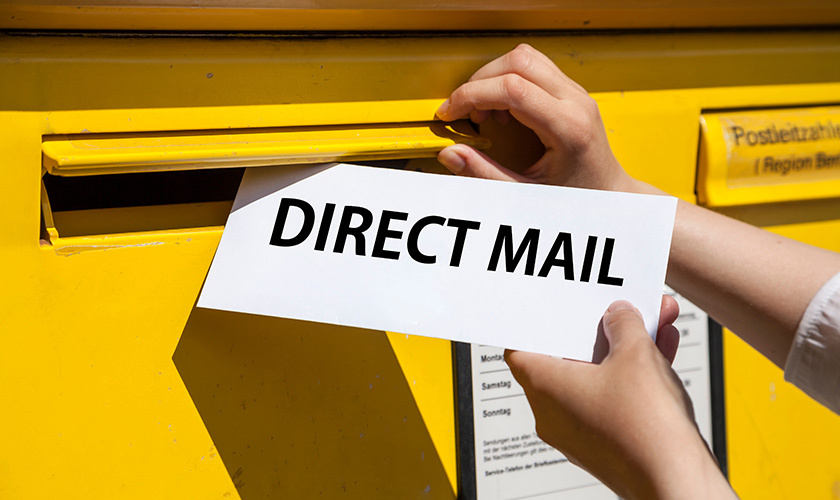
direct mail marketing

This guide breaks down everything you need to know about direct mail: what it is, why it works, how to execute campaigns that generate real returns, and how to integrate it with your digital marketing efforts.

Direct Mail Key Takeaways

Direct mail marketing is the practice of sending physical items—postcards, letters, catalogs, brochures, and other printed materials—to carefully selected mailing lists. The goal is to win new customers, nurture existing customers, and drive measurable actions like store visits, phone calls, or online purchases. Unlike fleeting digital ads, a direct mail piece can sit on a kitchen counter or desk for weeks, creating multiple opportunities for engagement.

Even in a highly digital world, direct mail still works remarkably well. Industry studies regularly show high open rates and response rates near 4–5%, far higher than most digital-only campaigns. These numbers explain why many marketers believe that direct mail delivers the best ROI of any marketing channel.

Modern direct mail is data-driven and integrated with digital channels. Marketers use segmentation, personalization, QR codes, and unique URLs to connect offline mail with websites, email marketing, and social media. This isn’t your grandfather’s junk mail; it’s highly targeted physical correspondence that complements your overall marketing strategy.

Costs can range anywhere from $0.30–$3 per piece, depending on format and volume, but strong targeting and tracking can produce very competitive ROI and a strong case for its cost-effectiveness as a marketing strategy.

Success comes from five pillars: clear strategy, accurate mailing lists, compelling creative and CTAs, smart timing, and consistent measurement and optimization.

What Is Direct Mail Marketing?

Direct mail marketing involves sending printed marketing materials through the postal service to homes or businesses to promote offers, generate leads, or build brand awareness. It’s physical material that lands in someone’s mailbox—something they can hold, read, and keep.

stack of postcards, envelopes, and catalogs – various direct mail marketing materials

Here are practical examples of direct mail in action:

  • A home services company mails seasonal maintenance postcards to neighborhoods with older homes, offering “$50 off tune-ups” with a QR code for instant booking

  • A retail store sends personalized holiday catalogs to high-value customers, featuring items based on their browsing and purchase history

  • A nonprofit dispatches November donation letters with impact stories and matching gift calls to action

  • Credit card companies send pre-approved offer letters to prospects matching specific financial profiles

A typical direct mail piece always includes several core components: clear business identification (logo, company name, return address), a concise value proposition highlighting customer benefits, a prominent call to action telling the recipient exactly what to do next, and easy ways to respond—whether that’s a phone number, URL, QR code, or unique discount codes.

Unlike email or digital ads, direct mail is tangible. Recipients can hold it, stick it on the refrigerator, or leave it on their desk. Research indicates that physical mail stays in a household for more than a week, creating multiple touchpoints with your message. Physical mail creates a stronger emotional response and requires less cognitive effort to process than digital content.

Modern direct mail is rarely used alone. It normally supports wider strategies that also include email campaigns, SEO, paid search, Google Ads, and social media. The most effective campaigns use direct mail to drive recipients to digital channels where they can take immediate action.

Why Direct Mail Still Matters Today

Even in a digital-first world, physical mail continues to perform strongly. Consumers feel overloaded by online ads, notifications, and email—the average person receives over 100 emails daily, but only a handful of mail pieces. This digital noise creates an opportunity for businesses willing to use direct mail strategically.

The numbers tell the story: In 2023, direct mail spending in the United States reached almost $40 billion, with projections of generating over $10 billion in annual ad revenue by 2026. This continued investment signals that businesses across industries see direct mail delivering results.

Why does direct mail remain so effective? Several factors converge:

Factor

Impact

High open rates

Direct mail has a higher open rate, with statistics indicating that 90% of direct mail gets opened compared to 20-30% of emails

Strong response rates

Average response rates for direct mail are around 4% to 5%, compared to less than 1% for email

Trust advantage

Most consumers report they trust print advertisements more than digital ones

Longevity

Direct mail can remain in a customer’s home or office for much longer than digital ads, increasing brand recall and perceived value

Technology has actually strengthened direct mail rather than replacing it. Marketers now use automation, CRM integrations, variable data printing, and real-time analytics to improve targeting and measurement. Automated direct mail campaigns can be triggered by customer behaviors—like cart abandonment or warranty expiration—creating timely, relevant touches.

Main Advantages of Direct Mail Marketing

Direct mail’s advantages fall into four categories: attention and memorability, targeting and personalization, performance and ROI, and its ability to complement other marketing channels.

Cutting through digital noise: Physical mailers get noticed because they’re tangible. While someone might delete 50 emails without reading them, a well-designed postcard gets picked up, examined, and considered. Research shows the average person handles a mail piece 3-5 times before deciding on action. Direct mail marketing is perceived as more trustworthy, according to research on consumer behavior.

Precision targeting: Modern direct mail uses data-driven segmentation to target specific demographics and geographic locations. You can reach potential customers based on location, income, homeownership status, purchase history, or behavior patterns. Direct mail marketing allows for hyper-local targeting of specific neighborhoods or households—something digital advertising struggles to match at the local level.

Strong performance: Direct mail marketing often generates a significantly higher response rate than that of email marketing. When your list, offer, and timing align properly, these rates can climb even higher.

Omnichannel integration: Direct mail fits seamlessly into broader marketing campaigns. A postcard can drive someone to scan a QR code, visit a landing page, or redeem a code that then triggers email sequences or retargeting with digital ads.

Why Invest in Direct Mail Today?

Digital fatigue is real. Consumers delete emails in bulk and scroll past ads without registering them. Meanwhile, a direct mail piece is harder to ignore—it has physical presence and demands at least a moment of attention. This creates a lasting impression that fleeting digital ads rarely achieve.

There’s often less competition in the physical mailbox than in the inbox. The average household receives far fewer direct mailers than emails, which translates into higher visibility and stronger brand recall for each campaign you send. You’re not competing with hundreds of other messages for attention.

Modern data tools and CRMs allow precise segmentation. Effective targeting in direct mail marketing involves segmenting audiences based on demographics, geographic areas, and psychographic features to ensure that marketing materials are relevant to recipients. You can suppress uninterested groups, focus on high-intent audiences, and thereby improve ROI while reducing wasted resources.

Variable data printing takes personalization further. You can customize names, offers, images, and even maps or product recommendations for each recipient at scale. Personalized direct mail pieces indicate that a business appreciates its clients enough to provide them with a tailored experience, which strengthens the bond between the business and its customers. This personal touch distinguishes your mail from generic promotional pieces.

When paired with tracking tools—unique codes, dedicated phone numbers, custom URLs—direct mail becomes a measurable, testable channel rather than a blind branding tactic. You can fine-tune campaigns based on actual response data.

Types of Direct Mail (With Practical Uses)

Choosing the right format affects cost, impact, and how much information you can include. Smart marketers match format to campaign goals rather than defaulting to one type for everything.
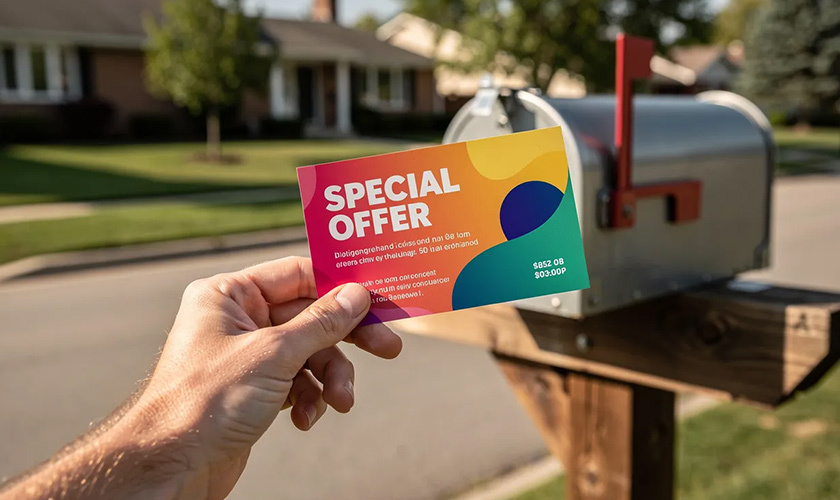
vibrant promotional postcard from mailbox from a direct mail marketing campaign

Postcards are the workhorses of direct mail. They’re ideal for quick promotions, appointment reminders, and local offers. Because there’s no envelope to open, postcards achieve near-100% visibility, and recipients see your message immediately. Average costs range from $0.30 to $0.80 per piece at volume. Direct mail postcards work well for local businesses running seasonal promotions or service reminders.

Letters in envelopes suit more detailed or sensitive messages. Financial offers, membership renewals, donation appeals, and contracts all benefit from the formality and perceived value of an envelope. Costs range from $0.80 to $1.50 per piece. The envelope itself can generate curiosity when designed well.

Self-mailers fold to create their own envelope, offering more space than postcards at a lower cost than traditional letters ($0.50–$1.20). They work for informational campaigns where you need to communicate in greater detail.

Catalogs and booklets showcase multiple products, seasonal collections, or gift guides. These are ideal for retailers and ecommerce brands ($1.50–$3.00+). While expensive, catalogs have long shelf lives and drive repeat engagement as customers browse them over time.

Oversized and dimensional mail (sometimes called “lumpy mail”) includes packages with samples, branded gifts, or unusual shapes. These formats can achieve up to 50% higher open rates and work exceptionally well for high-stakes B2B campaigns targeting decision-makers. The cost is higher, but so is the impact and ROI oftentimes.

How Direct Mail Works: From Idea to Mailbox

Understanding the full direct mail process helps you see how strategy, data, creative, production, and postal logistics fit together. Sending direct mail effectively requires coordination across multiple stages.

The main stages include:

  1. Defining objectives

  2. Building or refining the mailing list

  3. Crafting the message and design

  4. Printing and production

  5. Mailing and delivery

  6. Tracking responses

Businesses typically start by clarifying a goal—book 100 service appointments in Q3, re-activate lapsed customers, increase store traffic for a specific weekend event. Clear objectives guide every subsequent decision.

Audience selection draws from internal databases (existing or past customers) and external sources (purchased lists, look-alike audiences, neighborhood targeting by ZIP code or carrier route). Many companies now use marketing platforms or APIs to trigger mail automatically based on events, such as a customer abandoning a cart or a warranty approaching expiration.

Step 1: Define Audience and Objectives

Clear goals and a tightly defined target audience are the foundation of any effective direct mail marketing campaign. Without these, you’re likely to waste money on broad, unfocused mailings.

Common objectives for direct mail campaigns include:

  • Lead generation for home services or professional services

  • Appointment setting for healthcare, dental, or financial advisors

  • Direct sales for retail and e-commerce

  • Upsells and cross-sells to existing customers

  • Event attendance for grand openings, sales events, or community gatherings

  • Brand awareness when entering a new geographic market

Segment audiences using data points like location radius around a store, property type, and age (especially valuable for home services), purchase frequency, average order value, or membership status. A successful direct mail campaign targets the right mail recipients with relevant offers.

Quantify your goals so you can measure success. For example: “Generate 50 new customers from 5,000 mailed postcards at a cost per acquisition under $40.” This gives you a clear benchmark.

Small, well-defined test audiences are often better than broad, generic lists for initial campaigns. Direct mail marketing allows for a high degree of customization, enabling campaigns to be personalized to meet the exact demographics, habits, and tastes of an audience, which can significantly boost engagement rates.

Step 2: Craft Message, Offer, and CTA

The most successful direct mailers combine a simple message, a compelling offer, and one clear action you want the recipient to take. Complexity kills response rates.

Focus copy on customer benefits and outcomes—saving money, saving time, peace of mind—rather than just product features. With limited space on mail pieces, especially postcards, every word must earn its place.

The offer should feel time-bound and specific:

  • “$50 off any HVAC tune-up booked before June 30th, 2026”

  • “Free consultation for bookings made within 14 days”

  • “Bring this postcard in for 20% off your next purchase through the end of the month”

Every direct mail piece should include a clear call-to-action (CTA) that defines what action you want the recipient to take, making it compelling and easy to follow. Stick to a single, prominent CTA—calling a phone number, visiting a URL, scanning a QR code, or bringing a coupon to a store. Multiple CTAs dilute effectiveness and confuse recipients.

Include trust-building elements like short testimonials, review scores, or guarantees alongside the main message. Social proof helps overcome skepticism, especially with direct mail recipients who don’t know your business.

Step 3: Design Effective Direct Mail Pieces

Good design determines whether your mailer gets noticed or tossed after a quick glance. As mentioned earlier, you have seconds to capture attention.

designer creating marketing materials, with various printed samples of direct mail pieces spread across the desk

Use bold headlines, high-quality imagery, and plenty of white space so the key message and offer can be understood at arm’s length. The recipient should grasp your value proposition before they even start reading body copy.

Practical design considerations include:

  • Readable fonts (avoid decorative scripts for key information)

  • Strong contrast between text and background

  • Clear hierarchy of information (headline → offer → CTA)

  • Consistent branding (colors, logo, tone)

Printing quality matters more than many businesses realize. Ensure proper resolution (300 DPI minimum), correct bleed settings, and paper stock that matches your brand positioning. A premium offer deserves heavier card stock; mass mailings can use cost-effective lighter weights.

Proofreading mailers is essential to ensure they are free of grammatical errors and flow well, as a polished design reinforces the brand’s credibility and appeal. Typos or incorrect contact information printed on thousands of pieces is an expensive mistake.

Step 4: Print, Mail, and Time Your Campaign

Once the design is finalized, work with a commercial printer/mailer or use software platforms that handle print, addressing, and postage in one workflow. Many businesses find that all-in-one platforms save time and reduce coordination errors.

Postage options affect both cost and delivery speed:

Postage Type

Cost

Delivery Time

Best For

First-Class

Higher (2-3x standard)

2-5 days

Time-sensitive offers, transactional mail

Standard/Bulk

Lower

7-14 days

Promotional campaigns, newsletters

EDDM (Every Door Direct Mail)

Lowest

7-14 days

Saturation mailing to neighborhoods

Smart timing amplifies results. Send maintenance reminders ahead of seasonal peaks, promote retail events 7–10 days before sales, or mail tax-related offers early in the calendar year. The postal service delivery window should align with when you want recipients to act.

Consistency often beats one-off mailers. Consider regular cadences such as quarterly newsletters, annual check-in postcards, or renewal letters 30–60 days before expiration. This approach keeps your business top-of-mind for future mailings.

Running test batches before a full campaign can help gauge interest and track engagement, allowing marketers to refine their approach based on initial responses. Mail a few hundred pieces first to validate design, offer, and timing before committing to larger print runs.

Step 5: Track Responses and Measure Results

Modern direct mail is highly trackable when campaigns use unique identifiers to connect offline responses to online analytics. Gone are the days of wondering whether mail marketing actually generated business.

Direct mail can include QR codes or Personalized URLs (PURLs) to bridge the gap between offline and online marketing. These tools allow you to track responses precisely and attribute conversions to specific campaigns.

Effective tracking methods include:

  • Unique coupon codes printed on each mail piece or segment

  • Dedicated phone numbers that route to your team but identify the campaign source

  • Personalized URLs (PURLs) like yourcompany.com/john-smith

  • QR codes linking to campaign-specific landing pages

  • Unique discount codes for online redemption

Key metrics to monitor include response rate, conversion rate (responses that become customers), average order value, cost per acquisition, and overall return on ad spend. Direct mail response rates significantly outperform most digital channels when measured accurately.

Compare results across different segments, formats, and offers to identify which combinations perform best and should be scaled. Store response data in a central CRM or database to inform future segmentation, remarketing, and customer data analysis.

Costs of Direct Mail Marketing (and How to Control Them)

Direct mail marketing costs are made up of several components: design, printing, list acquisition or maintenance, and postage. Each varies by scale and format.

The cost of direct mail marketing typically ranges from $0.30 to $3 per unit, depending on factors such as the type of mailer and the size of the mailing list. Simple postcards at scale fall at the low end, while highly personalized, multi-page mailers with premium paper sit at the higher end.

Cost breakdown by component:

Component

Typical % of Total

Variables

Printing

40-60%

Variable data printing, color vs. B&W, paper weight

Postage

20-40%

Class of mail, presort discounts, piece weight

List costs

5-15%

House list (free) vs. rental ($0.03-0.15/name)

Design/setup

Variable

In-house vs. agency, complexity

Mailing to house lists (existing customers and prospects you’ve collected) is significantly more cost-effective than renting external lists. House lists also typically generate higher response rates, 5-10% compared to 2-4% for prospect lists.

Targeting and list hygiene are the main levers for improving cost-effectiveness. Maintaining a clean and updated mailing list is crucial for the success of any direct mail marketing campaign, as it enhances campaign efficiency and effectiveness. Mailing to outdated addresses or uninterested recipients quickly inflates the cost per acquisition.

Comparing Direct Mail to Other Channels

Direct mail’s upfront cost per impression is often higher than email or some digital ads. However, its stronger engagement can compensate when measuring cost per lead or sale rather than impressions.

Here’s how direct mail compares qualitatively to other marketing channels:

  • Email marketing: Lower cost per send, but much lower open and response rates. Direct mail can achieve higher response rates when integrated with digital channels, as it provides a tangible connection that digital platforms often lack.

  • Paid search (Google Ads): High intent, but competitive and expensive for many keywords. Direct mail offers less competition for attention.

  • Social media advertising: Good for awareness, but ad fatigue is significant. Direct mail delivers a lasting impression that digital ads struggle to match.

  • Display advertising: Lowest cost per impression, but also lowest engagement. Direct mail far exceeds display ad response rates.

Industry reports frequently rank direct mail among the top channels for ROI, often close to or above paid search and display when campaigns are well targeted. Direct mail marketing can yield higher response rates than digital marketing due to its use of customer data for segmentation and personalized messaging.

The best results typically come from combining direct mail with digital channels rather than treating it as a replacement. Integrating direct mail with digital marketing strategies can enhance overall campaign effectiveness by creating a seamless customer experience across multiple channels.

Best Practices, Dos and Don’ts of Direct Mail

Following proven best practices helps avoid wasted spend and increases the likelihood that each campaign delivers measurable results. A strong direct mail marketing strategy treats this channel like any other performance marketing effort.

business owner reviewing marketing analytics on a laptop of direct mail pieces

The guidelines below cover audience selection, testing, messaging, quality control, follow-up, and integration with online marketing. Treat direct mail like any performance channel: plan carefully, document assumptions, test systematically, and refine based on data.

Even small improvements in list quality, offer strength, or CTA clarity can significantly improve response and ROI at scale.

Do: Define and Segment Your Audience

Sending fewer, better-targeted pieces usually outperforms blasting large unsegmented lists. A highly targeted direct mail approach reduces waste and increases engagement.

Segment by:

  • Geography: Radius around a store, specific ZIP codes, carrier routes

  • Demographics: Income bands, age groups, homeownership status

  • Behavior: Past purchases, lapsed customers, website visitors, membership status

Create separate segments for distinct audiences. New homeowners receive different messaging than customers with expiring service agreements or high-value repeat buyers.

Document your selection rules so future campaigns can be replicated or improved. Regularly clean lists—removing duplicates, undeliverables, and inactive contacts—to reduce postage waste and improve delivery rates.

Do: Test Before You Scale

Testing and optimizing direct mail campaigns are critical stages in ensuring that marketing efforts deliver the best results, allowing for adjustments based on audience response.

Run small test batches (a few hundred to a few thousand pieces) to validate creative, offers, and targeting before committing to large print runs. This direct mail strategy minimizes risk while generating actionable data.

A/B test key variables:

  • Headlines and images

  • Offers (percentage vs. dollar discount)

  • Formats (postcard vs. letter)

  • Timing (weekday vs. weekend delivery)

Use unique tracking tools for each test variant so performance differences are measurable. Tests should have a clear hypothesis (e.g., “a time-limited offer will increase engagement by 20%”) and be evaluated against specific metrics.

Keep one control version stable across multiple campaigns to benchmark improvements over time.

Do: Include a Clear, Compelling CTA

Every mail piece should have a single, unmistakable call to action that stands out visually and is repeated at least once on the front or back. Ambiguity kills conversions.

Strong CTA examples:

  • “Call 555-123-4567 to book your free inspection”

  • “Scan this QR code to claim your 20% discount”

  • “Bring this card into our store by July 31st 2026”

Use urgency and incentives ethically—limited-time discounts, bonuses, early-bird access—without misleading claims. Ensure contact paths (phone numbers, URLs) are easy to type or scan and are staffed so responses are handled promptly.

Align the CTA with the buying stage. Softer CTAs like “Download our buyer’s guide” work for early-stage potential customers, while “Book now” fits warmer leads ready to purchase.

Don’t: Neglect Proofreading and Compliance

Typos, incorrect prices, or wrong contact details damage credibility and directly reduce response rates. These errors become expensive when printed on thousands of pieces.

Quality control checklist:

  • Multiple review rounds for copy, design, and data

  • Verify personalization fields (names, addresses) render correctly

  • Check that offers, terms, and disclosures comply with local advertising laws

  • Verify address formatting meets postal requirements

  • Test QR codes and URLs before printing

Keep a final proof sample on record for each campaign so any issues can be traced back to the original artwork. For industries like finance, healthcare, or insurance, ensure all required disclosures appear correctly.

Don’t: Forget Follow-Up and Digital Integration

Direct mail works best as the start of a conversation, not a one-off touch that’s never referenced again. Direct mail can be effectively combined with email marketing to reinforce messages, as both channels can share identical themes and offers, increasing brand recall.

Build follow-up sequences—emails, calls, SMS, or retargeting ads—for those who respond and for recipients who visited a landing page but didn’t convert. Using QR codes in direct mail pieces can bridge the gap between physical and digital marketing, allowing recipients to engage with online content directly from their mail.

person sitting at desk checking their email

Synchronize messaging and creative across channels so customers see consistent offers and design, whether they come from mail, email, or ads. Combining direct mail with digital retargeting strategies can create additional touchpoints with potential customers, enhancing the overall effectiveness of marketing campaigns.

Capture responses in a central system and tag contacts with campaign IDs so future communications can reference past offers or interactions. Integrating direct mail with online reviews, social media, and referral programs extends the impact beyond the initial recipient.

Direct Mail Marketing FAQ's

This section addresses common questions businesses ask when deciding whether and how to use direct mail work today.

How often should I send direct mail to the same audience?

Optimal frequency depends on industry and goal, but many businesses see good results mailing key segments every 1–3 months rather than weekly or only once a year.

Start with a quarterly cadence for general relationship-building pieces—seasonal tips, reminders, light offers. Add extra mailings around major promotions or renewals. Monitor opt-out rates, complaint levels, and diminishing response rates as signals that frequency may be too high.

Stagger campaigns so different segments receive different messages at different times. Integrate direct mail touchpoints with email and digital ads so total contact frequency feels coherent rather than repetitive.

Where can I get a good mailing list for direct mail campaigns?

The most valuable mailing lists typically come from your own data: past customers, current subscribers, event attendees, and leads gathered from your website or offline events. These house lists generate the highest response rates.

For prospecting, rent or purchase lists from reputable mailing brokers or data providers, targeting by geography, demographics, or firmographics (for B2B). Vet any external provider on data freshness, consent practices, and accuracy. Test a small portion before large-scale mailings.

Enhance house lists with additional data (property attributes, industry codes) to create more precise segments. Maintain ongoing processes to update addresses using change-of-address services and remove invalid contacts.

Is direct mail effective for B2B as well as B2C?

Direct mail can work in both contexts, but strategies differ significantly.

B2B campaigns typically target smaller, more defined lists of decision-makers with higher-value offers—demos, consultations, workshops—rather than broad discounts. B2B mailers can be more educational (sending printed reports or guides) to support long sales cycles and complex buying committees.

Personalized packages or dimensional mail (small branded items) can be highly effective for reaching high-value B2B accounts. Coordinate mail with account-based marketing tactics like personalized emails, LinkedIn outreach, and targeted display ads.

How can I make my direct mail more environmentally responsible?

Practical steps include using responsibly sourced or recycled paper, vegetable-based inks, and avoiding unnecessary plastic. Precise targeting and clean lists minimize waste by reducing undeliverable or irrelevant pieces—this has the biggest environmental impact.

Consider lighter-weight formats and right-sized pieces to reduce material and postage footprint without sacrificing message clarity. Transparently communicate sustainability choices on the mailer itself to align with environmentally conscious customers.

What budget do I need to start testing direct mail?

Businesses can start with modest budgets by running small test campaigns of a few hundred to a few thousand pieces.

A rough example: a postcard test of 1,000 pieces at around $0.50–$1.00 each (all-in) might require a budget of $500–$1,000. Allocate extra for design and copywriting if in-house expertise is limited, since strong creative significantly influences response rates.

Treat initial campaigns as experiments where the main goal is learning which audiences, offers, and formats work. Reinvest profits from successful tests into larger, refined campaigns over time.

Additional Frequently Asked Questions

How does direct mail integrate with my existing email marketing?

Direct mail and email marketing complement each other when coordinated properly. Many businesses send email sequences before or after direct mail drops, reinforcing the same offer across channels. For example, an email preview can alert recipients to expect something in their mailbox, increasing anticipation and open rates.

You can also use email to follow up with recipients who scanned a QR code or visited a landing page but didn’t convert. This multi-channel direct mail approach creates consistent touchpoints without feeling redundant.

Can I automate direct mail like I do email?

Yes. Modern platforms integrate with CRMs and e-commerce systems to trigger automated direct mail campaigns based on customer behavior. Common triggers include cart abandonment, birthday milestones, post-purchase thank-yous, and subscription renewals.

These automated workflows bring the responsiveness of digital marketing to physical correspondence, delivering timely, relevant mail without manual intervention.

How long does it take to see results from a direct mail campaign?

Typical direct mail campaigns show initial responses within 1–2 weeks of delivery, with most responses coming within the first month. However, some recipients hold onto pieces longer, so continue tracking for 4–6 weeks after delivery.

Build this timeline into planning: if you need appointments booked for a June event, mail should reach recipients by mid-May at the latest.

What makes someone throw away direct mail versus respond to it?

The difference usually comes down to relevance and value. Generic, untargeted pieces that offer nothing compelling get discarded quickly. Mail that speaks to a specific need, offers genuine value, and makes responding easy gets action.

Consumers are likely to open or read a direct mail piece with an offer or promotion, highlighting the effectiveness of personalized offers. Invest in targeting and offer development rather than just design aesthetics.
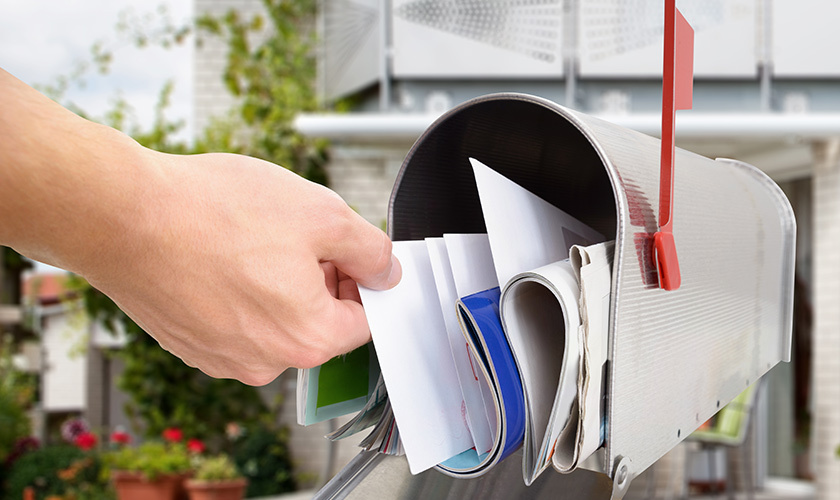
direct mail marketing from mailbox

Direct Mail Marketing Summary

Modern direct mail marketing combines the tactile power of physical correspondence with data-driven precision that rivals any digital channel. While digital advertising continues to grow more crowded and expensive, direct mail offers a path to customer engagement that stands apart from the digital space entirely.

Start with a small test campaign, perhaps 1,000 postcards to a well-defined segment. Measure results carefully using tracking codes and dedicated response paths. Use what you learn to refine your direct mail strategy and scale what works.

The businesses seeing the best returns treat direct mail as one component of an integrated marketing strategy, connecting print to digital touchpoints and building relationships that extend far beyond a single mailer. Whether you’re looking to increase engagement with existing customers or reach new potential customers in your area, direct mail delivers results that justify its place in your marketing efforts.

Clash Graphics Print Shop Atlanta Flyer Printing
2233 Peachtree Rd NE Ste 202 Atlanta, GA 30309
(678) 235-3464

To view the original version on Clash Graphics, visit: https://www.clashgraphics.com/printing-tips/what-is-direct-mail-marketing/

Tuesday, October 31, 2017

Real Estate Marketing - Secrets Shared at a Private Event

Sitting in on a real estate marketing meeting was never on my list of things to do. Until one day, I was shamed by my best friend Shawn into going.

Looking back on the experience, I can say that it was truly an eye opener. The people were friendly, the food was excellent and the drinks were killer! Most impressive were the topics and ideas presented to the 30 men and women that day.

Following are the enlightening real estate marketing tips that were presented by Don and Pat (husband and wife real estate wizards).

Build a Website That is Capable of Generating Leads

Don began by explaining how the methods of marketing had dramatically changed over the past decade. People’s attention span was about 2 seconds and if your website content couldn’t deliver a clear benefit quick enough, it would fail.

He then showed us the differences between successful websites and poorly managed one’s. The successful sites were well structured with pertinent information, high-quality and captivating photos of all properties, video walk-throughs, and other features that enhanced the process for a buyer or seller. Take a look at this video walk through virtual tour example:

After delivering valuable information and rich content, the website left you asking for more but required your email address or phone number. This turned visitors into leads, and made the website more than a digital brochure.

After Don’s presentation, it became obvious how certain elements could greatly impact the effectiveness and value a website delivered.The two core principles Don presented that stood out were;

Navigation through successful sites was obvious and always simple. Even the novice users could get the information they needed without getting “lost” or having to search. Visitors come to a website for their own benefit; make what they are looking for easy to find and they will reward you with their attention. In the web design industry, intuitive design and ease of use is known as “user experience”. Ensure your web development company is proficient in this department, or little else will matter.

Branding and curated content that spoke to a specific segment of the market. We can’t be all things to all people. A real estate website is no different, and must clearly indicate the market and people it serves. A first time homebuyer has vastly different needs than someone looking for a luxury home. Or consider parents buying a home in a great school district and the things that would be important to them. Knowing and displaying this information on your website speaks volumes, and subconsciously lets the customer know you understand them and their specific needs. Feeling understood is an intangible that makes your customer comfortable. When setup properly, your website can help earn the goodwill and trust of a potential client.

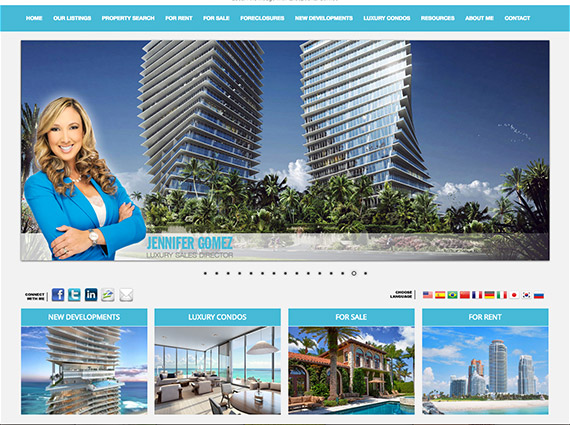
Take a look at this well branded website that is catering to luxury condo owners:

Real estate agent branded website

Establish a Referral Program

Pat took over at this point and provided an interesting and shocking statistic. She said, “On average, out of every 100 people that call you, only 18 will come from your marketing efforts. The other 82 will be referrals from past or current clients.”

This made perfect sense to me. All my adult life, I have understood the building power of “word of mouth” and how important it is in any business to keep your clients buzzing about your products and services.

Real estate meeting and referral program

Thus this staggering statistic cannot be overlooked, or you will fail. Put into perspective, 8 out of 10 calls are a function of your network and six degrees of separation amongst people you know, or people that know you.

With this in mind, a large part of your marketing efforts must be to encourage and facilitate said referrals from this group. In essence, your job in marketing is to create visibility and awareness while fostering deeper relationships within your existing network.

She went on to explain how simple “rewards for referrals” would entice people to spread your name. Be creative she said, “rewards can be in the form of any number of fun things, like concerts, dinners, or money.” People want to be acknowledged and appreciated for their efforts.

However, Pat warned us, “Your service and product must contain superior quality in all of its aspects. Without quality, there will be no referrals to worry about.”

Remaining Relevant With Social Media Profiles

Don picked up seamlessly where Pat left off and asked the room for a show of hands, “How many of you have a Facebook profile?” Everyone had a hand in the air. He then went on to explain that social media is the new-age dominant word-of-mouth marketing medium.

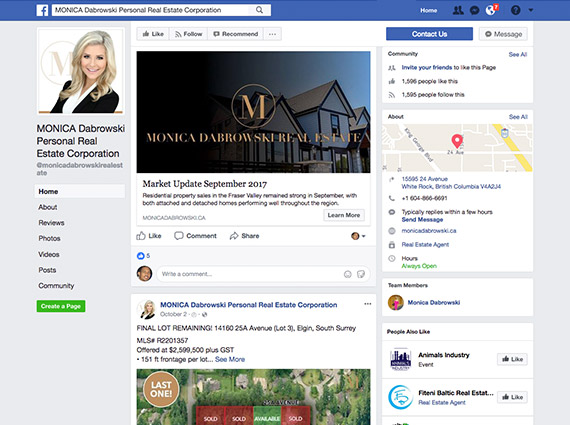
Real estate agent social media facebook profile

“Everyone in some way is connected by social media, Facebook alone has over 2 billion users.” and that “Anyone shying away from building and asserting their brand and value on social media is losing out on potential clients and revenue in a big way.”

After taking us on a quick tour of Facebook, Instagram, Twitter, and Snapchat, Don said this: “Quality and engaging engaging content is your #1 goal. Not sales! If you can’t focus on quality content that’s relevant to your customer, don’t waste your time.”

Home buyers and sellers are interested in a wide variety of things. Use your social media platform to call attention to the important ones that are directly affecting your clients. Some examples are: pricing trends, housing inventory levels, interest rate hikes, a new home coming available in a highly sought after area, or highlighting the schools and local amenities within a neighborhood.

Relevant facts and statistics are critical in getting people to pay attention. Stop and think, how many of us randomly post images, phrases, and comments without giving much thought to them. What if we were (as Don put it) focusing first on the end-user and their needs.

The majority of the time you should focus on their interests, but being entertaining also has its benefits. Watch how this young realtor uses her YouTube channel to be personal and showcase a day in her life:

Sponsorship of Local Teams, Charities, and Events

At this point, we all expected Pat to pick up the microphone. She did not and Don sat down. They toasted each other with their martinis as Brad came from the back of the room (microphone in hand) talking about sponsorship.

“Sponsorship of local events, charities, and athletes is one of the fastest ways to create visibility, awareness, and build trust in a community. With banners, flyers, hand-outs, and signs, you are able to personally engage and show the people your investment in their well-being and the local community.” He went on to explain, “For your yard signs to be effective, there must be a level of trust behind the brand. Only then will the SOLD sign be attached.”

Real estate community charity sponsorship

Turns out that Brad is Don and Pat’s son. Also a very successful real estate agent (and great bartender too). His message ended with an emphasis on the quality of all printed material and again, “Your content on everything printed must contain the highest quality customer-focused information, otherwise it will not convey your message and simply be tossed in the trash.”

This is part one in a two part series. For the rest of these real estate marketing tips, check back here: www.clashgraphics.com/printing-tips/

Clash Graphics Print Shop Atlanta Flyer Printing

2233 Peachtree Rd NE Ste 202 Atlanta, GA 30309

(678) 235-3464

To view the original version on Clash Graphics, visit: www.clashgraphics.com/printing-tips/real-estate-marketing-secrets-shared/