Showing posts with label Marketing. Show all posts

Wednesday, July 23, 2025

Mastering Target Audience

Properly identifying your target audience can transform your marketing. This clashgraphics.com guide will show you how to find your ideal customers and tailor your marketing strategies for success.

target audience

Key Takeaways

  • Strategically identifying a target audience enhances marketing effectiveness, potentially increasing sales through tailored approaches.

  • There are various segmentation methods, including demographic, psychographic, behavioral, and geographic, allowing for deeper audience understanding and personalized marketing.

  • A well-defined target audience leads to improved ROI, stronger customer relationships, and better engagement, which are essential for sustaining competitive advantages.

Understanding Target Audience

A target audience is made up of consumers who are most likely to be interested in a company's products or services and should be the primary focus of marketing efforts. Effectively reaching this audience requires an understanding of shared characteristics, such as:

  • Demographics

  • Psychographics

  • Behaviors

  • Interests

Understanding your ideal target customers helps improve marketing effectiveness by aligning with their wants and needs. This precision aids in marketing, engaging, and building brand loyalty. While the target audience refers to a more specific group, the target market refers to a broader group that shares general characteristics. The distinction lies in the use of advertising and media tools tailored to the audience's preferences.

Failing to identify the right audience can lead to ineffective branding and undifferentiated marketing strategies that do not resonate, resulting in wasted resources. Not clearly defining your target audience can set a business up for failure, as it detracts from focused marketing efforts. Therefore, it's crucial to understand and define your target audience to ensure that your marketing efforts are not only effective but also efficient.

Types of Target Audiences

Target audiences consist of distinct groups of consumers with specific characteristics that marketers aim to reach effectively. Audience segmentation allows marketers to group customers with similar needs, enhancing personalization in marketing efforts. Segmentation can be determined through behaviors, interests, and other identifiable characteristics.

There are several ways to segment an audience, but the most common methods include:

  • Demographic segmentation

  • Psychographic segmentation

  • Behavioral segmentation

  • Geographic segmentation

Each type offers unique insights into a specific target audience, enabling more effective audience targeting and marketing strategies. Let's delve deeper into each type of segmentation.

types of target audiences

Demographic Segmentation

Demographic segmentation is essential as it enables marketers to categorize consumers based on shared characteristics, leading to more personalized marketing strategies. Key demographic factors used to create target audiences include:

  • Age

  • Location

  • Marital status

  • Gender identity

For instance, the TikTok app targets young to mid-age adults, demonstrating an effective age demographic focus.

Factors such as education level and employment status can significantly influence target audience characteristics. Different audience segments have varying needs, as illustrated by the comparison between married Millennials and single Gen-Z individuals, reflecting the specific group of the audience's preferences.

Businesses utilize demographic information to judge effective communication strategies, and many businesses tailor their marketing efforts accordingly.

Psychographic Segmentation

Psychographic segmentation focuses on understanding consumers' personalities, interests, and lifestyles to tailor marketing strategies. This approach considers sociological, psychological, and anthropological aspects, as well as consumer behavior, lifestyle, and self-concept.

Lifestyle segmentation categorizes consumers based on their interests, activities, and opinions, also taking into account their values and overall lifestyle.

Understanding consumer interests helps to connect with the audience and understand buyers' motivations. Many consumers will unfollow brands whose values don't align with their beliefs. Therefore, it is crucial for brands to create a personal connection with their audience's beliefs to build ongoing brand loyalty and address customers' motivations.

Behavioral Segmentation

Behavioral segmentation focuses on consumer behavior trends, such as online versus in-store purchasing behavior, which should be considered when determining target audiences. Purchase intention refers to the desire to learn more about a product before making a purchase. Understanding purchase intention helps businesses gauge the customer's position on the purchase timeline.

Analyzing the frequency of large and small purchases helps target messaging effectively. Data on purchase intention directs businesses in crafting appropriate messaging. Larger purchases require more research and are less frequent compared to smaller, more frequent purchases.

Geographic Segmentation

Geographic segmentation involves tailoring differentiated marketing strategies to meet the unique needs and preferences of consumers in different market segments. This method enables businesses to address local trends, weather conditions, and cultural nuances, making their marketing efforts more relevant and effective.

Benefits of Defining Your Target Audience

Identifying your target audience allows for:

  • Tailored messages to meet specific needs, leading to higher engagement and better ROI.

  • Personalized content can lead to up to four times higher transaction rates compared to generic messaging.

  • Creation of relevant content that resonates with consumers, enhancing engagement for the right target audience.

Effective audience targeting refines marketing strategy, solidifies brand presence, and drives growth. Building strong consumer relationships is vital, as word of mouth influences a significant portion of purchasing decisions. Strong relationships with target audiences can lead to increased trust and loyalty, which is crucial in competitive markets.

A well-defined target audience improves return on investment by ensuring that marketing expenditures are efficiently allocated. Effective targeting can significantly improve ROI by ensuring marketing budgets are allocated to relevant consumer groups. Knowing your target audience can lead to improved marketing effectiveness, enhanced customer relationships, and better ROI.

Understanding your target audience leads to a deep understanding that results in strategic marketing advantages, effective campaigns, and business growth. Companies that invest in defining their target audience can expect to see increased engagement, loyalty, and overall success in their marketing efforts.

How to Identify Your Target Audience

Key factors to consider when defining your target audience include demographics, psychographics, purchasing behaviors, age, gender, location, interests, values, and pain points. Determining the characteristics of the products or services offered is crucial to identifying the target audience effectively. Methods for conducting market research to understand a target audience include surveys, focus groups, and online analytics tools.

When identifying your target audience, consider the following steps:

  • Answer specific questions regarding their preferences and behaviors.

  • Examine consumer habits and identify the platforms they frequently use to help inform marketing channel selection.

  • Tailor marketing strategies based on the specific characteristics of your target audience to increase its effectiveness.

marketing professional conducting market research to identify target audiences

Conduct Market Research

High-quality customer data is crucial for defining a target audience, with demographic and behavioral insights being particularly valuable. Quantitative methods are commonly used for data collection in demographics. Various methods for collecting demographic, psychographic, geographic, and behavioral data include:

  • Surveys

  • Questionnaires

  • Focus groups

  • Interviews

Tools such as Ahrefs and Semrush can be used for checking competitor website traffic. Analyzing business intelligence can help uncover information about your target audience and potential subgroups.

Market research uncovers pain points, customer searches, and purchases, which are essential for conducting market research to define your target audience through audience research.

Create Buyer Personas

Demographic data such as age, gender, income, and education can be gathered through surveys of existing customers. Buyer personas should encompass the goals and challenges faced by your ideal customers to tailor solutions effectively. Customer behavior insights, such as purchasing preferences and engagement patterns, help create precise buyer personas.

Buyer personas, fictional representations of your ideal customers, help in understanding and targeting your audience effectively. These personas allow businesses to create content that speaks directly to the needs and preferences of potential customers.

Analyze Social Media Analytics

Social media analytics offer valuable insights into audience engagement and preferences. Social media platforms enable direct engagement, providing insights into audience preferences and behaviors. For instance, Facebook Insights can reveal valuable information about visitors, including their location, interests, and lifestyle behaviors.

Social media analytics identify which content types resonate most with different audience segments. Key points include:

  • Visually appealing content tends to work best on Instagram compared to other platforms.

  • Incorporating user-generated content into your strategy is a recommended approach.

  • This method can help maximize engagement on social media.

Utilize Google Analytics

Google Analytics can provide insights into visitor demographics, helping to inform marketing strategies. Businesses should use data analytics tools to track metrics like engagement and conversion rates for monitoring marketing campaigns. Campaign analytics can measure metrics such as:

  • impressions

  • clicks

  • conversions

  • sales

  • ROI.

Refining marketing strategies based on these metrics' insights leads to better targeting and improved ROI. Traffic analytics offers various metrics, including:

  • Page views

  • Unique visitors

  • Bounce rates

  • Session duration.

Conversion analytics can track data types such as form submissions, lead conversions, and the effectiveness of CTAs.

Real-World Examples of Target Audience Identification

showcasing effective target audience identification

Creating value-driven content that addresses consumer needs fosters loyalty and enhances engagement. Real-world examples can provide valuable insights into how successful companies identify and target their audiences. Let's explore how Nike, Coca-Cola, and Sephora execute their marketing strategies.

Examining these examples will provide practical insights into effective audience targeting and the benefits of a well-defined target audience, particularly when considering multiple target audiences and relevant examples. These case studies demonstrate how tailored marketing strategies drive engagement, loyalty, and business growth.

Nike

Nike's target audience primarily consists of athletes, fitness enthusiasts, and sports enthusiasts. The company particularly focuses on young adults and younger athletes, targeting specific groups such as women in sports. Nike utilizes visually compelling storytelling, imagery, and videos as part of its marketing strategy to engage its brand's target audience effectively.

This strategic targeting helps Nike resonate with its audience's interests and values, fostering a strong connection and loyalty. Understanding their audience's preferences allows Nike to tailor marketing efforts to meet their target consumers' needs.

Coca-Cola

On Twitter, Coca-Cola targets younger, tech-savvy individuals who follow trends. The company engages its Twitter audience through real-time marketing, trending topics, and customer service. Coca-Cola shares stunning videos centered on sports teams and artists, appealing to the interests of its younger audience.

On Facebook, Coca-Cola posts family-friendly content, community stories, and nostalgic ads aimed at millennials and older audiences. This dual approach enables Coca-Cola to effectively connect with different audience segments, highlighting the importance of platform-specific strategies.

Sephora

The primary target audience for Sephora includes beauty enthusiasts and makeup artists. Additionally, Gen Z DIY beauty fans are also a key part of their customer base. The company effectively engages its target audience through TikTok influencers, Instagram and YouTube. On YouTube, Sephora produces detailed makeup tutorials, skincare routines, and product reviews, catering to the interests of its beauty-centric audience.

Leveraging these platforms allows Sephora to create content that resonates with its audience's preferences, driving engagement and loyalty. This targeted approach highlights the importance of understanding and catering to the unique needs of different audience segments and their service offerings.

Crafting Marketing Strategies for Different Audience Segments

brainstorming session crafting strategies for different audience segment marketing

Effective audience identification enhances adaptability in marketing strategies, enabling businesses to respond to shifts in consumer needs. Categorizing audiences based on various criteria enhances the precision of marketing messages. Understanding different audience segments is crucial for effective content strategies, as consumers have diverse interests and preferences.

Different types of content resonate with various audience segments, such as infographics for visual learners and detailed guides for analytical thinkers. For instance, Coca-Cola utilizes real-time marketing strategies to align with its audience's interests and current trends. This approach helps ensure that the marketing message is relevant and engaging to the target audience.

Sephora customizes its marketing strategies to suit the preferences of Gen Z by:

  • Leveraging influencer partnerships.

  • Staying informed about emerging trends to enhance outreach and engagement strategies.

  • Effective content distribution requires varying strategies by platform, necessitating tailored approaches for different audience segments.

Crafting concentrated marketing strategies that cater to specific audience segments builds stronger customer relationships, increases engagement, and drives growth. This strategic targeting ensures that marketing efforts are aligned with the preferences and needs of the desired customers, while also allowing businesses to craft effective marketing strategies.

Measuring Success and Adapting Strategies

Evaluating marketing performance provides actionable insights that help refine strategies and enhance effectiveness. Regular assessment of performance metrics enables businesses to allocate their resources more effectively and minimize financial waste. Analyzing various data sources helps businesses identify trends and inform their marketing goals.

Aligning marketing strategies with business objectives ensures that marketing efforts directly contribute to the overall company goals. Automating marketing reporting can significantly streamline the process, saving time and enhancing the accuracy of insights. Tracking key performance indicators, such as engagement rates, can guide adjustments in marketing strategies for various audience segments.

Data-driven decision-making is essential for sustainable practices and achieving a competitive edge. Continuously measuring success and adapting strategies enables businesses to stay ahead of the competition and effectively meet the evolving needs of their target audiences.

Target Audience Summary

In summary, identifying and understanding your target audience is fundamental to the success of any marketing strategy. By segmenting audiences based on demographics, psychographics, behavior, and geography, businesses can create more personalized and effective marketing campaigns. Real-world examples demonstrate the power of strategic targeting in driving engagement and loyalty.

Effective audience targeting leads to higher engagement, better ROI, and stronger customer relationships. By continuously measuring and adapting marketing strategies, businesses can ensure that their efforts remain relevant and impactful. Embrace the power of knowing your audience, and watch your marketing efforts transform into meaningful connections and sustained business growth.

Target Audience Frequently Asked Questions

Why is identifying a target audience important for marketing?

Identifying a target audience is crucial for businesses as it enables them to customize their marketing messages, resulting in increased engagement and improved return on investment (ROI). A clear understanding of the audience enhances the effectiveness of marketing strategies.

What are the main types of target audience segmentation?

The main types of target audience segmentation are demographic, psychographic, behavioral, and geographic, each offering distinct insights into consumer traits and preferences. Understanding these segments can significantly enhance your marketing strategies.

How can businesses gather data to identify their target audience?

To effectively identify their target audience, businesses should utilize surveys, focus groups, and online analytics tools such as Google Analytics and social media insights. These methods provide valuable insights into consumer behavior and preferences.

What are some real-world examples of effective audience targeting?

Nike, Coca-Cola, and Sephora exemplify effective audience targeting by leveraging consumer insights to customize their marketing strategies, ensuring they resonate with their respective audiences. This approach underscores the importance of understanding customer preferences in achieving successful engagement.

How can businesses measure the success of their marketing strategies?

To effectively measure the success of marketing strategies, businesses should focus on key performance indicators like engagement rates, conversion rates, and ROI. Regular evaluations and data-driven adjustments will enhance overall marketing effectiveness.

Clash Graphics Print Shop Atlanta Flyer Printing
2233 Peachtree Rd NE Ste 202 AtlantaGA 30309
(678) 235-3464

To view the original version on Clash Graphics, visit: https://www.clashgraphics.com/printing-tips/mastering-target-audience/

Tuesday, March 18, 2025

What is Digital Marketing

Digital marketing involves using the internet to promote products, services, or a brand. It's key for connecting with today's online consumers. In this article, we will explore what is digital marketing, covering strategies, platforms, and techniques used in this field.

what is digital marketing

Key Takeaways

  • Digital marketing encompasses various strategies like SEO, social media, and email marketing to engage users directly and globally.

  • An effective digital marketing strategy requires clear goal setting, understanding the target audience, and careful budget allocation for optimal results.

  • Emerging trends such as AI integration and the metaverse are shaping the future of digital marketing, necessitating continuous adaptation by businesses.

Defining Digital Marketing

Digital marketing refers to the use of digital platforms and technologies to promote products and services, a practice that has evolved significantly since the rise of the internet in the 1990s. Unlike traditional marketing, which relies on offline channels like print or television, digital marketing leverages the vast capabilities of the internet to reach a global audience. This method includes various strategies such as social media marketing, email marketing, digital advertising, and search engine optimization, all aimed at engaging users more directly and interactively.

Many companies today adopt a hybrid approach, combining traditional marketing methods with digital marketing strategies to create a more comprehensive marketing campaign. This blend allows businesses to capitalize on the broad reach of traditional media while also harnessing the precision and interactivity of digital channels.

As we move deeper into the digital age, we must emphasize understanding and effectively using digital marketing.

Key Components of Digital Marketing

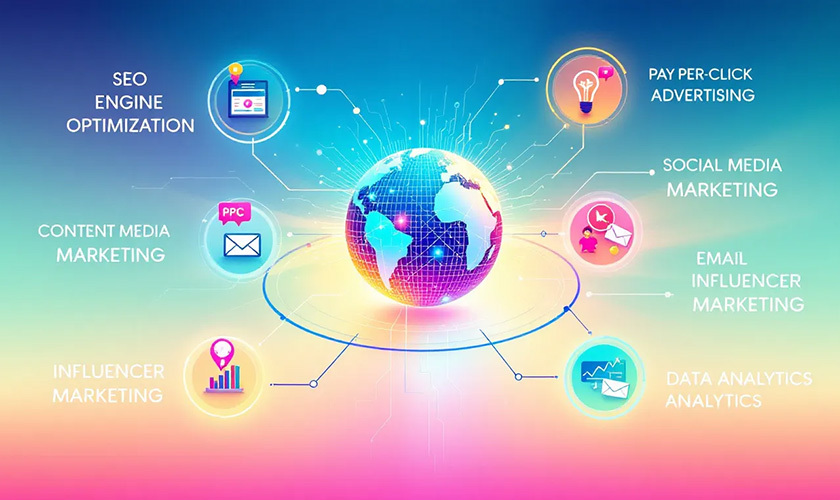
Digital marketing is a multifaceted discipline that includes several key components, each playing a vital role in the overall marketing strategy. These components are designed to work together to create a cohesive and effective digital marketing strategy. The main types of digital marketing are social media marketing and search engine optimization (SEO). Additionally, pay-per-click (PPC) advertising and email marketing are also essential components.

what is digital marketing infographic - key components of digital marketing

Content marketing stands out as a cornerstone of digital marketing efforts. It involves creating and sharing valuable content to attract and engage a target audience. Unlike traditional advertising, content marketing aims to educate and provide value, establishing the brand as a thought leader in its industry. This approach not only attracts leads but also converts them into loyal customers by offering useful information and solutions.

Search engine optimization (SEO) and PPC advertising are crucial for enhancing visibility and driving traffic to websites. SEO focuses on improving organic search results through strategic keyword use, content optimization, and technical improvements. On the other hand, PPC advertising allows businesses to display ads to targeted audiences, paying only when users click on their ads. This combination of organic and paid strategies ensures a broad and effective reach.

Lastly, social media marketing leverages platforms like Facebook, Twitter, and Instagram to build customer relationships and increase brand awareness. Social media allows businesses to engage directly with their audience, fostering a community around their brand. Social media marketing can significantly enhance a brand's online presence and customer loyalty through regular posts, interactions, and targeted ads.

Popular Digital Marketing Channels

Numerous digital marketing channels are available, each offering unique advantages and opportunities for engaging with potential customers, including insights from a digital marketer. The more popular channels being search engine optimization (SEO), social media platforms, and email marketing, among others.

Utilizing various channels allows businesses to develop a multifaceted marketing strategy, maximizing their reach and impact.

Search Engine Optimization (SEO)

search engine optimization seo

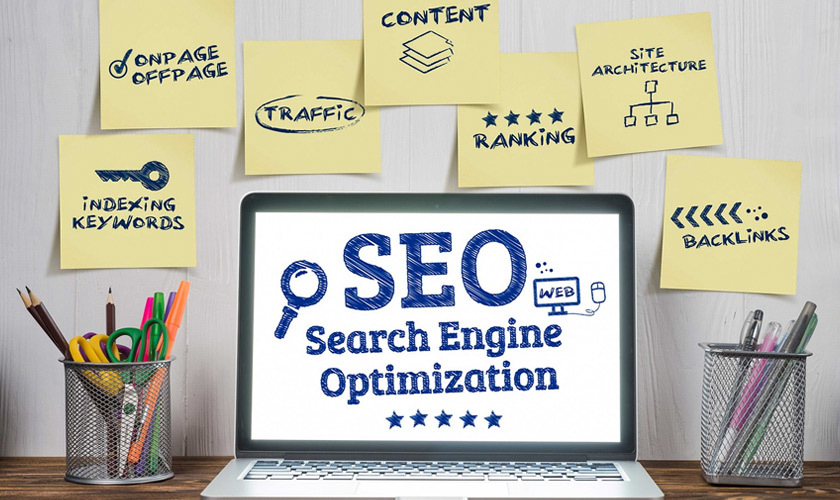
Search engine optimization (SEO) is a cornerstone component of digital marketing and search engine marketing that is aimed at improving a website's visibility on search engine results pages (SERPs) like Google or Bing. The primary goal of SEO is to position content at the top of search engine results, as this significantly increases the likelihood of attracting organic traffic. SEO strategies involve a combination of on-page, off-page, and technical optimizations to ensure that search engines can effectively index and rank the website.

On-page SEO focuses on optimizing the elements within the website itself, such as content quality, keyword usage, and meta tags. Aligning these elements with user search intent helps businesses appear in relevant search results more frequently.

On the other hand, off-page SEO involves activities outside the website, such as building high-quality backlinks from relevant websites, which signal to search engines that the website and its content are authoritative and trustworthy.

Technical SEO focuses on the backend aspects of a website, such as site speed, mobile-friendliness, and proper indexing, ensuring these elements are optimized to help search engines crawl and understand the site more efficiently.

Together, these SEO practices enhance a website's visibility, driving long-term organic traffic and increasing brand awareness.

Social Media Platforms

social media marketing

Social media marketing utilizes platforms like Facebook, Twitter, LinkedIn, TikTok, and Instagram to reach and engage customers. With billions of users globally, social media platforms are indispensable for modern marketing strategies. Businesses use these platforms to share content, interact with followers, and build a community around their brand.

Effective social media marketing involves more than just posting content; it requires engaging with followers and fostering community and brand loyalty. Real-time conversations and immediate feedback enhance customer engagement and allow businesses to respond to customer needs quickly. This level of interaction builds stronger relationships and can significantly boost brand loyalty and customer satisfaction. Both branding and marketing are effective and impactful online.

Influencer marketing is another powerful tool within social media marketing. Partnering with social media influencers with large followings allows businesses to promote their products to a broader audience. These influencers often have a high level of trust and credibility with their followers, making their endorsements highly effective in increasing brand awareness and driving sales.

Email Marketing

Email marketing remains one of the most effective forms of direct marketing. Sending strategic email messages enables businesses to communicate directly with potential customers, offering personalized content tailored to their preferences and needs. This direct approach allows for a high degree of customization and can significantly enhance customer engagement and loyalty.

email marketing

One of the key benefits of email marketing is its impressive return on investment (ROI). Studies have shown that businesses can earn a very good ROI for every dollar spent on email marketing. This high ROI, combined with the ability to reach customers quickly and directly, makes email marketing a crucial component of any digital marketing strategy.

Creating an Effective Digital Marketing Strategy

A digital marketing strategy is essential for aligning your marketing efforts with your business goals. A systematic marketing plan in conjunction with digital marketing tactics can lead to significant business results.

An effective digital marketing strategy involves understanding the digital sales funnel, choosing the proper digital marketing channels, and continuously monitoring and refining the approach based on performance data.

Setting Goals and Objectives

Setting clear and measurable goals is the foundational step in crafting a digital marketing strategy. Using SMART criteria—specific, measurable, achievable, relevant, and time-bound—ensures that objectives are well-defined and aligned with business priorities.

These goals guide the direction of marketing efforts and enable businesses to adjust strategies based on campaign performance and audience preferences.

Identifying Target Audience

Defining your target audience is crucial to the success of any digital marketing campaign. Summarizing the personas and purchase journeys of current customers provides businesses with deeper insights into their needs and preferences. Social media marketing, in particular, offers valuable data on audience preferences and behaviors, helping companies to tailor their messaging accordingly.

identify target audience

Creating detailed buyer personas allows businesses to understand and engage their target audience more effectively. These personas are developed based on demographic data, consumer behavior, and preferences, enabling marketers to craft personalized marketing messages that resonate with their audience. Additionally, using tools like web analytics provides further insights into consumer behavior, making it easier to refine marketing strategies.

An empathy map is another useful tool for understanding consumer thoughts and feelings. Empathizing with their audience helps businesses craft more relatable and impactful marketing messages. This comprehensive understanding of the target audience allows for more effective and engaging digital marketing campaigns.

Budget Allocation

Allocating a budget is a critical step in managing resources across various digital marketing strategies. Budget decisions should be influenced by factors such as industry dynamics and the target audience.

A recommended approach is to assign a percentage of the overall budget to each digital marketing strategy, ensuring a balanced and effective marketing effort.

Benefits of Digital Marketing

Digital marketing offers numerous benefits that make it an indispensable tool for businesses. One of the primary advantages is cost efficiency. Digital marketing channels typically have lower startup costs compared to traditional marketing methods. This allows companies to engage with customers directly and at a lower overall cost.

Another significant benefit is the ability to reach a global audience. Digital marketing enables businesses to target customers across various locations and time zones, broadening their market reach. This global reach is reflected in the industry's growth, with the global digital marketing market expected to reach nearly $800 billion by 2026.

Digital marketing also provides measurable results, which are crucial for assessing the effectiveness of marketing efforts. The lead-to-close rate for digital marketing is nearly six times higher than that of traditional marketing, demonstrating its superior efficiency. Additionally, investing in SEO can enhance a website's long-term visibility and credibility, leading to sustainable growth over time.

Flexibility is another key advantage of digital marketing. Businesses can make real-time changes and adjustments based on analytics, ensuring that marketing strategies remain relevant and effective. Engaging with audiences on social media also leads to stronger relationships and increased brand loyalty, further amplifying the benefits of digital marketing.

Trends Shaping the Future of Digital Marketing

Several emerging trends are shaping the future of digital marketing. One of the most significant trends is the integration of artificial intelligence (AI) in marketing strategies. AI helps forecast results, plan strategies, and analyze data, making marketing efforts more efficient and effective. AI-powered tools like Microsoft Copilot and ChatGPT are already enhancing marketing efficiency by automating routine tasks and providing valuable insights.

Another trend that is poised to transform digital marketing is the rise of the metaverse. This immersive virtual world offers rich media experiences, allowing brands to engage with consumers in entirely new ways. Staying ahead of the curve involves leveraging these trends, allowing businesses to continue innovating in their digital marketing efforts.

Measuring Success in Digital Marketing

chart showing metrics for measuring success in digital marketing

Whether running Facebook ads, an email campaign, or PPC ads, measuring the success of digital marketing campaigns is crucial for understanding their impact and making informed decisions. Various tools and metrics are available to help marketers track and analyze their efforts. Key performance indicators (KPIs) guide marketers in evaluating the effectiveness of their campaigns, allowing for continuous improvement.

Engagement rates, for example, indicate how well content resonates with audiences on social media. Metrics such as conversions, lead generation, and website visits provide valuable insights into the performance of digital marketing efforts. Continuous tracking of these metrics ensures that businesses can allocate resources more effectively and refine their strategies based on real-time data.

Tools for measuring success include analytics platforms that offer customizable reporting and in-depth analysis. Utilizing these tools provides businesses with a comprehensive understanding of their digital marketing performance, enabling data-driven decisions to enhance their efforts.

Common Challenges in Digital Marketing

While digital marketing offers numerous benefits, it also presents several challenges that businesses must navigate. Data privacy issues, for instance, pose significant obstacles when collecting and utilizing consumer data. With increasing regulations around data protection, marketers must ensure they comply with legal requirements while still gathering valuable insights.

Understanding consumer behavior is another complex challenge. Consumer preferences can be unpredictable, making it difficult for marketers to predict what will drive conversions. This unpredictability requires marketers to continuously adapt their strategies and stay attuned to changing market trends.

Time constraints and limited resources are particularly challenging for small businesses. Competing with larger brands with more substantial budgets and dedicated marketing teams can be daunting. Additionally, smaller companies often struggle to create effective ad copy that stands out in a crowded digital landscape.

Despite these challenges, successful digital marketers can overcome these obstacles through creativity, strategic planning, and leveraging the right tools and technologies.

Digital Marketing Summary

digital marketing

Digital marketing is a dynamic and powerful tool that can significantly enhance a business's reach and engagement with its target audience. By understanding its key components, popular channels, and effective strategies, businesses can leverage digital marketing to achieve substantial growth and success. The benefits of digital marketing, including cost efficiency, global reach, and measurable results, underscore its importance in the modern marketing landscape.

As we look to the future, staying ahead of trends such as artificial intelligence and the metaverse will be crucial for continued success. Measuring the effectiveness of digital marketing efforts through robust analytics and continuously refining strategies will ensure sustained improvement and innovation. Embrace the challenges, harness the benefits, and let digital marketing propel your business to new heights.

Digital Marketing Frequently Asked Questions

What is digital marketing, and how does it differ from traditional marketing?

Digital marketing utilizes digital platforms and technologies for promotion, distinguishing itself from traditional marketing, which depends on offline channels such as print media and television. This shift allows for more targeted and measurable engagement with audiences.

What are the key components of digital marketing?

The key components of digital marketing are content marketing, SEO, PPC, social media marketing, and email marketing, all of which are essential for an effective marketing strategy. Integrating these elements ensures a holistic approach to reaching and engaging your target audience.

How can I measure the success of my digital marketing campaigns?

To effectively measure the success of your digital marketing campaigns, utilize tools to track engagement rates, conversions, lead generation, and key performance indicators (KPIs). Continuous monitoring and analysis will enable you to refine your strategies for improved outcomes.

What are some common challenges in digital marketing?

Common challenges in digital marketing include data privacy issues, understanding consumer behavior, and limited resources, particularly for small businesses. Addressing these challenges necessitates creativity and strategic planning.

What trends are shaping the future of digital marketing?

The integration of artificial intelligence and the emergence of the metaverse is significantly shaping the future of digital marketing by enhancing engagement and operational efficiency. These trends present valuable opportunities for brands to connect more effectively with their audiences.

Clash Graphics Print Shop Atlanta Flyer Printing
2233 Peachtree Rd NE Ste 202 AtlantaGA 30309
(678) 235-3464

To view the original version on Clash Graphics, visit: https://www.clashgraphics.com/printing-tips/what-is-digital-marketing/

Friday, February 21, 2025

Top Strategies for Lead Generation

Wondering how to generate more leads for your business? This article covers the most effective lead-generation strategies, from identifying your target audience to nurturing leads. This article will guide you step-by-step in capturing and converting potential customers.

lead generation

Key Takeaways

  • Effective lead generation involves understanding the journey from attracting potential customers to converting them into loyal buyers, with high-quality content playing a key role.

  • Key steps in the lead generation process include identifying target audiences, attracting visitors through SEO and social media, capturing leads with engaging content, and qualifying those leads for better conversion rates.

  • Leveraging technology like AI tools and lead generation software is crucial for optimizing lead generation strategies and enhancing personalization for better engagement.

Understanding Lead Generation

Lead generation involves attracting and converting potential customers that express interest in your product or service. It's a fundamental aspect of business growth that differentiates your brand and connects you with potential customers. In essence, it's about creating a pathway for potential leads to discover your offerings and guiding them through the journey to becoming loyal customers through a lead generation campaign.

Content plays a pivotal role in this journey, as it helps address visitors' problems and lays the foundation for a successful lead generation strategy. Content builds awareness and trust at the top of the lead generation funnel, guiding leads through the process, influencing the sales cycle, and managing buyer distractions. Effective lead-generation strategies enable more effective advertising with higher conversion rates, ultimately improving conversion rates and ROI by generating high-quality leads.

However, not all leads are created equal. Leads must be qualified to become prospects who fit the business and may want to purchase. Various stages of lead qualification exist, from marketing qualified leads (MQLs) to sales qualified leads (SQLs), each reflecting different levels of interest and engagement, including the need for a qualified lead.

Understanding this journey is crucial, as the lead generation funnel outlines the process from providing information to making a purchase.

The Lead Generation Process Explained

The lead generation process is about attracting and converting prospects interested in your business's offerings. It starts by driving targeted traffic to your website and creating awareness and interest among potential leads. This process typically involves five steps: identifying your target audience, attracting visitors online, capturing leads effectively, qualifying leads, and nurturing them.

Correctly establishing this process forms the foundation for all your lead generation efforts.

Identifying Your Target Audience

Generating leads begins with understanding your target audience's behaviors and preferences, including the potential customer. Thorough market research analyzing demographics, behaviors, and preferences is crucial for identifying your target audience for lead generation. This involves creating detailed buyer personas using both quantitative and qualitative data from customers. Factors such as age, gender, location, occupation, interests, and pain points should be included in these personas.

identify your target audience

Once you have a clear picture of your target audience, creating content focusing on their pain points for effective lead generation is essential. Publishing blog posts and engaging through social media are excellent methods to generate awareness and interest among your target audience. Knowing which social media channels your target audience uses is vital for effectively reaching and attracting potential clients.

Personalization is key to successful lead generation. A significant majority of consumers desire brands to understand and approach them personally. Tailoring your content and marketing efforts to your target audience's specific needs and preferences builds stronger connections and generates higher-quality leads.

Attracting Visitors Online

Attracting visitors online is a critical component of the lead-generation process. SEO strategies play a significant role in boosting organic search engine results, increasing both the quantity and quality of visitors to your website. Optimizing your content for relevant keywords and ensuring a user-friendly website design drives more targeted traffic to your site.

Social media platforms are another powerful tool for driving traffic and engaging with potential customers. Utilizing social media marketing allows you to reach a wider audience and create targeted marketing efforts that address the challenge of generating traffic. Creating valuable content, such as blogs, videos, and guides, is essential for engaging visitors and converting them into leads.

Combining SEO and social media efforts ensures a steady flow of high-quality leads to your website. Consistently providing valuable content and engaging with your audience on social media attracts genuinely interested visitors who are more likely to convert into leads.

Capturing Leads Effectively

Capturing leads is crucial in the lead generation process. An effective landing page should include an opt-in form for lead submission. Incorporating clear calls-to-action (CTAs) and easily navigable forms on your website can significantly enhance lead capture. It's important to steer visitors towards product landing pages through links in blog posts and other content.

Transparency regarding the requested information and its purpose is important when using email capture forms. The way you ask for information and how much you ask for can greatly affect conversion rates. Using conditional logic in lead capture forms can reduce form size and friction, leading to higher completion rates. Additionally, conversational step-by-step process forms are a more engaging alternative to traditional lead capture forms.

Advanced lead capture techniques, such as quizzes and site chat tools, can also be highly effective. Quizzes help qualify leads by allowing visitors to answer qualifying questions tailored to their needs. Site chat tools can assist with high-intent visitors, capturing more information and routing them to sales.

Qualifying Leads

Qualifying leads is a vital step in the lead generation process as it determines which prospects are most likely to convert into customers. Lead scoring systems assign numerical values to leads based on their behaviors and interactions, allowing for the prioritization of high-quality leads. This helps sales teams focus their efforts on leads with the highest potential for conversion.

There are different types of leads, each reflecting varying levels of purchase intent. Marketing Qualified Leads (MQLs), Sales Qualified Leads (SQLs), Product Qualified Leads (PQLs), and Service Qualified Leads are common lead categories. Understanding these distinctions is crucial for tailoring your lead-generation strategies and ensuring effective follow-up.

Alignment between the sales team and marketing teams is essential for successful lead qualification. Ensuring that qualified leads are effectively transferred between teams with the necessary context increases conversion rates and enhances the overall lead-generation process.

Nurturing Leads

Nurturing leads is about building relationships and converting them into paying customers. Personalized content and email drip campaigns are vital for effectively nurturing leads. Delivering relevant content based on a lead's journey stage and previous interactions keeps them engaged and moving through the sales funnel.

Understanding what content potential leads have previously viewed and their journey stage is crucial for delivering relevant content. Content that addresses the concerns stopping leads from progressing through the funnel should be delivered. Different types of offers, such as ebooks for early stages and free trials for later stages, should be created.

Interactive content, such as quizzes or assessments, can also be effective in engaging leads. Analyzing a customer's purchase history can help marketers recommend complementary products, further nurturing the lead toward a purchase.

Top Lead Generation Strategies

top lead generation strategies

Effective lead generation strategies will be more diverse and technologically advanced than ever. These strategies include content marketing, social media engagement, and email marketing, each playing a crucial role in attracting and converting potential customers. By combining personalized marketing with the latest technologies, businesses can optimize their lead-generation efforts and stay ahead of the competition.

Content Marketing

Content marketing remains a cornerstone of lead generation strategies.

Types of content that can generate quality leads include:

  • ebooks

  • webinars

  • guest posts

  • guides

  • videos about topics that address customer needs

By providing valuable content that helps people solve their problems, even those not directly related to your products or services, you build trust and fill customer needs.

Enhance the effectiveness of your content by optimizing it for search engines and including internal and external links. Video lead generation can be particularly impactful when the content is compelling and memorable, effectively showcasing your products. Promoting your content through all owned media channels and co-marketing offers can also increase its reach and impact.

Marketers have reported the best ROI from content/SEO, emphasizing the need for quality content in lead generation. By consistently creating and sharing valuable content, you can attract and convert high-quality leads, driving business growth.

Social Media Platforms

Social media platforms such as Facebook, Instagram, LinkedIn, and X (formerly Twitter) serve as effective tools for lead-generation campaigns. They can significantly enhance outreach and engagement efforts. LinkedIn, in particular, is the most effective platform for generating B2B leads due to its access to business professionals and decision-makers. Utilizing LinkedIn's in-depth targeting capabilities allows you to reach specific audiences effectively.

Facebook Ads have revolutionized how businesses capture leads, enabling precise audience segmentation and message testing to enhance lead generation efforts. Video marketing, when promoted across social media and combined with email campaigns, can significantly boost lead generation.

Engagement techniques such as running contests can increase interaction and interest among followers on social media. Consistently updating social media pages with engaging content and clear calls to action is essential for capturing leads. By informing visitors that they are being directed to a landing page, you set expectations and encourage follow-through.

Email Marketing

Email marketing remains a pivotal strategy for nurturing and converting leads in today's digital landscape. Dividing email lists according to customer behavior and preferences can greatly improve the impact of email marketing campaigns. By delivering personalized content that resonates with the lead's interaction history, you can engage them more effectively and drive conversions.

Segmentation and personalization in email marketing create targeted messages that engage leads and drive conversions more effectively. Integrating email campaigns with other marketing efforts, such as social media and content marketing, can further amplify their impact. This holistic approach ensures that your messaging is consistent and aligns with the lead's journey.

The key to successful email marketing lies in understanding your audience and delivering relevant, timely content. By continuously refining your email strategies and leveraging data insights, you can maximize the effectiveness of your email campaigns and generate high-quality leads.

Inbound vs. Outbound Lead Generation

inbound and outbound lead generation

There are two main types of lead generation. These are inbound and outbound. Inbound lead generation is all about drawing in customers by offering valuable content and fostering meaningful interactions, whereas outbound lead generation involves actively reaching out to potential customers through direct outreach methods. Each method has its benefits and challenges, and understanding these can help you choose the right approach for your business.

Inbound Lead Generation

Inbound lead generation is a marketing strategy that emphasizes attracting potential customers by delivering valuable content that aligns with their specific needs. The primary purpose of inbound lead generation is to provide helpful, relevant information that addresses potential customers' problems and questions. This approach ensures that leads are more likely to engage with your brand and eventually convert into customers.

Key tools used in inbound lead generation include:

  • Blogs

  • Social media

  • SEO

  • Content marketing

By creating and sharing high-quality content, you can attract and engage potential leads, driving them through the sales funnel. Inbound lead generation is a cost-effective and sustainable way to acquire qualified leads, making it advantageous over traditional outbound methods.

The success of inbound lead generation lies in understanding your audience and consistently delivering valuable content. Leveraging the right tools and strategies builds a strong online lead generation presence and attracts high-quality leads genuinely interested in your offerings.

Outbound Lead Generation

Outbound lead generation is a proactive method. In this strategy, businesses reach out to potential customers directly. The goal of outbound lead generation is to capture the interest of prospects and convert them into leads. This approach differs from inbound lead generation, which focuses on attracting leads by offering valuable content.

Common channels used in outbound lead generation include cold calls, emails, direct mail, and advertising. Customization of emails is essential for successful cold outreach, as tailored messages are more likely to resonate with the recipient. Conducting cold outreach through customized emails can be an effective strategy for generating quality leads.

To identify suitable prospects for cold outreach, companies should:

  1. Research organizations that would benefit from their product.

  2. Ensure that outbound efforts are focused on leads with the highest potential for conversion.

  3. Combine targeted outreach with personalized messaging to effectively generate high-quality leads through outbound methods.

Leveraging Technology for Lead Generation

tools used for lead generation

Technology plays a crucial role in optimizing lead generation strategies and making processes more efficient and effective. Leveraging advanced tools and automation streamlines lead generation efforts and achieves better results.

This section will explore the benefits of lead generation tools and the impact of AI and automation on lead generation.

Lead Generation Tools

Lead generation tools are software that assists in capturing and managing leads. These lead-generation tools come with a range of features. They include contact forms, landing page builders, and email automation to enhance the lead generation process. Popular tools like HubSpot and Salesforce allow for seamless integration of lead data, enabling businesses to organize and store leads effectively.

The benefits of lead generation tools include:

  • Lead scoring, which prioritizes leads based on their conversion potential, helps sales teams focus their efforts on high-quality leads.

  • Tracking engagement, allowing teams to understand how potential customers interact with their content.

  • Automating outreach, streamlining communication processes, and saving time.

Sales intelligence tools can also be used to obtain accurate customer information in bulk, further enhancing lead generation efforts.

By leveraging the proper lead generation tools, businesses can optimize their lead generation strategies and achieve better results. These tools not only streamline the process but also provide valuable insights that can inform future marketing efforts.

AI and Automation

AI-driven tools help analyze lead behaviors and preferences, providing valuable insights that can inform marketing strategies. Machine learning algorithms predict content engagement based on past interactions, allowing businesses to deliver more relevant and personalized content. This enhances the overall lead generation process by ensuring that leads receive content that resonates with their interests and needs.

Marketing automation tools automate processes and deliver personalized content, saving time and resources while improving lead quality. Dedicated customer service software can include omnichannel messaging, AI chatbots, and live chat functionalities, further enhancing the customer experience and capturing valuable lead information. Combining AI, automation, and advanced customer service features results in improved lead quality and higher conversion rates.

By integrating AI and automation into their lead generation strategies, businesses can achieve greater efficiency and effectiveness. These technologies enable personalized, data-driven marketing efforts that resonate with leads and drive conversions.

Measuring Lead Generation Success

Measuring lead generation success is critical for understanding the effectiveness of your marketing efforts and optimizing future campaigns. Key performance indicators (KPIs) for lead generation include metrics like the total number of leads, customer acquisition costs, and conversion rates. By tracking these metrics, businesses can gain valuable insights into their lead generation strategies and make data-driven decisions.

Engagement metrics reflect how well potential customers interact with your content, while conversion rates measure the proportion of visitors who become leads. These metrics provide clarity on the effectiveness of your lead generation strategies, aiding in budget allocation and resource management. Attribution channels help identify which marketing channels are most effective in driving conversions, allowing businesses to allocate resources wisely.

measuring lead generation success with analytics

Consistently tracking and analyzing lead generation metrics refines strategies and improves financial efficiency in acquiring new customers. This ongoing process of measurement and optimization ensures that lead generation efforts remain effective and aligned with business goals.

Best Practices for Lead Generation

To succeed in lead generation, it's essential to follow best practices that enhance the effectiveness of your strategies. Personalized content enhances engagement by tailoring information to individual preferences. Consistent messaging throughout all channels is also crucial for effective lead generation. By maintaining a cohesive brand voice and delivering relevant content, businesses can build stronger connections with potential leads.

A/B testing different elements like emails and landing pages helps refine communication strategies and improve lead quality. Metrics provide clarity on the effectiveness of lead generation strategies, aiding in budget allocation and resource management. Feedback can also help improve lead generation strategies and processes, ensuring that efforts remain aligned with audience needs and preferences.

Remaining flexible in your strategies allows for better adaptation to trends and audience behavior. By continuously refining and optimizing your lead generation efforts, you can stay ahead of the competition and drive sustainable business growth.

Lead Generation Summary

In conclusion, effective lead generation is crucial for business growth and success. By understanding the lead generation process, identifying your target audience, and leveraging advanced strategies and technologies, you can attract and convert high-quality leads. From content marketing and social media engagement to email marketing and AI-driven tools, a diverse range of strategies can enhance your lead generation efforts.

By measuring the success of your lead generation campaigns and following best practices, you can continuously refine and optimize your strategies. This comprehensive approach ensures that your lead generation efforts remain effective and aligned with business goals, driving sustainable growth and success.

Frequently Asked Questions

What is lead generation?

Lead generation is about drawing in potential customers and getting them interested in your offer. It's a crucial step for turning that interest into actual sales.

Why is identifying the target audience important in lead generation?

Identifying your target audience is crucial because it helps you focus your lead-generation efforts on those most likely to convert into customers. This way, you can tailor your messaging and strategies to resonate better, leading to more effective results.

How can social media be used for lead generation?

You can effectively use social media for lead generation by engaging with your audience and driving traffic through targeted ads and compelling content. It's all about connecting with potential customers where they spend their time online!

What are the benefits of using AI and automation in lead generation?

Using AI and automation in lead generation significantly enhances lead quality and efficiency by analyzing behaviors and delivering personalized content. This means you can connect with potential customers more effectively and save time in the process.

What metrics should be tracked to measure lead generation success?

To effectively measure lead generation success, focus on tracking the total number of leads, conversion rates, and customer acquisition costs. These metrics will give you a clear picture of your campaign's effectiveness.

Clash Graphics Print Shop Atlanta Flyer Printing
2233 Peachtree Rd NE Ste 202 AtlantaGA 30309
(678) 235-3464

To view the original version on Clash Graphics, visit: https://www.clashgraphics.com/printing-tips/top-strategies-for-lead-generation/

Tuesday, August 20, 2024

How to Get More Reviews

Are you struggling with how to get more reviews? This Clash article will provide actionable strategies to increase your review count effectively. From directly asking customers to leveraging social media and optimizing your Google Business Profile, we cover proven methods to encourage more reviews and improve your online reputation.

how to get more reviews - online reviews for businesses

Key Takeaways

  • Online reviews are essential for building a business reputation and can significantly influence consumer trust.

  • Directly asking customers for reviews at the right time, whether in-person or through emails and SMS text messages, can enhance response rates by up to 60%.

  • A dedicated reviews page and active engagement on social media can streamline the review collection process while showcasing customer feedback to attract new clients.

The Importance of Online Reviews

Online reviews are not just a digital age phenomenon; they're vital to your business's reputation and visibility. Positive reviews can be leveraged in marketing efforts to attract new customers and enhance a business's visibility. When potential customers see glowing testimonials, it provides reassurance and social proof, making them more likely to trust and choose your business. Approximately 70% of consumers say positive reviews boost their trust in a business.

Conversely, one negative review might result in losing potential customers. This underscores the importance of addressing negative reviews promptly and effectively. Engaging with negative feedback helps businesses manage their online reputation and demonstrate that they value customer opinions.

Consistent engagement with reviews boosts visibility in search engines due to active customer interaction. Online reviews also contribute significantly to SEO by incorporating relevant keywords, aiding in higher search rankings. Google considers the quantity and quality of customer reviews in its ranking algorithm. Therefore, a strong presence on review sites like Google and Yelp is vital for enhancing your business's credibility and attracting more reviews, customers, and new business.

Ask Customers Directly for Reviews

asking customers directly for reviews

Directly asking customers for reviews is a straightforward and effective method to boost your review count. Timing is everything—asking for reviews at the right moment when the customer's positive experience is fresh significantly increases the chances of receiving them. Customers are significantly more likely to leave a review when asked directly.

Verbal requests made during in-person interactions or follow-ups are often perceived as more genuine. Phone calls also add a personal touch and can effectively request reviews from satisfied customers. Employees should use scripts to ask for reviews at suitable times, ensuring every customer has the chance to give feedback.

Don't leave review opportunities on the table—every interaction is a chance to generate valuable feedback. Whether it's through a casual conversation, a prompt during a transaction, or a follow-up call, directly asking customers can significantly boost your review numbers. Remember, most positive reviews result from direct requests, so don't hesitate to ask your satisfied customers to share their experiences.

Utilize Email Marketing for Review Requests

Email marketing remains a powerful tool for collecting reviews. Incorporating review requests into post-purchase emails markedly increases response rates. Review request emails account for a large portion of all collected review content, underscoring their vital role in generating positive feedback. The timing of these emails should match when customers are likely to reflect on their purchase, from immediately to a week or two post-purchase.

email marketing review requests

Follow-up emails after the initial request can increase review responses by an additional 50%. Personalized emails will genereally further enhance effectiveness, due to their tailored approach. Phrases like 'Write a review for 20% off your next purchase' and attention-grabbing subject lines can significantly improve open and engagement rates.

Leverage SMS/Text Messages

SMS/text messages provide a direct and immediate method for requesting reviews in the age of instant communication. Text messages have a significantly higher response rate compared to emails. Most text messages are read within 30 minutes, making SMS a timely method for review requests.

Using SMS for review requests enables businesses to reach 97% of Americans who own cell phones. Write concise SMS messages that cater to short attention spans, ensuring customers read and respond to requests.

Automating the SMS review generation process can efficiently manage text requests, ensuring consistency, compliance, and maximizing reach.

Create a Dedicated Reviews Page

A dedicated reviews page on your website can significantly enhance review collection efforts. A centralized, easily accessible page can facilitate this process as customers often look to a business's website to leave a review. Building an effective reviews page involves substantial effort in design, content creation, and integration, but the benefits are worth it.

dedicated reviews page on a website

A well-structured reviews page boosts click-through rates and enhances product discovery. Positive testimonials act as social proof, increasing visibility and influencing potential customers. Incorporating testimonials within various sections of your website and using visuals like customer images or videos can further enhance credibility and engagement.

Use Social Media to Show and Encourage Reviews

Social media is a powerful tool for engaging with customers and encouraging them to leave reviews. Posting customer reviews on social media channels and providing direct links for easy feedback can significantly increase review submissions. Remind followers that leaving a review benefits others and allows them to share their experiences.

Promoting customer testimonials on social media can inspire others to share their thoughts, leading to increased review submissions. Sharing positive feedback on social media establishes trust and can humanize your business, encouraging more customers to leave reviews.

Video testimonials, in particular, can create stronger emotional connections, prompting additional customers to share their feedback.

Incentivize Customer Reviews

Incentives, such as coupons, discounts, rewards, loyalty points, and contest entries, can effectively motivate customers to leave reviews.

To maintain trust and authenticity, avoid rewarding only positive reviews. Engaging with all feedback shows a commitment to customer satisfaction and enhances brand reputation.

Incentivizing reviews can enhance engagement and increase feedback, ultimately building more reviews and a more robust online presence and brand.

Optimize Your Google Business Profile

A well-optimized Google Business Profile is crucial for attracting more reviews and improving local business search rankings. Accuracy in your Google Business Profile, including business name, address, phone number, and hours of operation, is vital for online visibility. Responding to Google reviews can encourage more customers to share their experiences.

High-quality images on your profile make it appear more trustworthy and attractive to potential customers. Regular updates to your Google Business Profile keep it active, which is favored by the search algorithm.

A Q&A section on your profile proactively addresses customer inquiries, enhancing its effectiveness.

Respond to All Reviews

business responding to customer reviews

Responding to all reviews is key to improving your business's reputation and engaging with customers. Reviews are a valuable feedback tool that helps businesses identify areas for improvement. Responding to reviews shows appreciation and encourages others to share their feedback. Consumers read businesses' responses to reviews, underscoring the importance of engagement and a professional response.

Addressing negative reviews instead of ignoring them is crucial. Here are some key points to consider:

  1. Openly acknowledging and addressing customer issues fosters trust and helps mitigate negative impressions.

  2. After resolving a negative review, ask the customer to write a new review to reflect their updated experience.

  3. Quick and professional responses to all reviews reflect positively on the business.

Potential customers are mostly realistic and expect some unfavorable reviews. However, the manner in which the unhappy customer is responded and dealt says much more about your business often than the unhappy customer review. Thus, it is important to be mindful and intentional when responding, as the entire online community will see how the situation is handled.

Display Reviews Prominently

Prominently displaying reviews on your website can enhance trust with potential customers. Most consumers read at least ten reviews before forming an opinion about a business. Regularly updating testimonials on your website demonstrates ongoing customer satisfaction and engagement.

display reviews prominently

Showcasing testimonials from recognizable or credible figures can enhance your brand's perceived authority.

Simplify the Review Process

Simplifying the review process can significantly boost the number of reviews you receive. Direct links allow quicker access to review pages, reducing barriers for customers. Include direct links in SMS and emails to make it easier for customers to submit feedback.

Clear, concise instructions on how to leave a review minimize customer confusion. Visual aids like flowcharts or an instruction video can be helpful resources.

Automated reminders for reviews streamline the process and encourage more participation. A good review management platform creates a seamless process for sending invitations and leaving reviews.

Monitor and Manage Your Online Reputation

Monitoring and managing your online reputation is crucial in today's digital landscape. Reputation management tools help businesses monitor their brand across platforms and manage feedback effectively. Reputation management software often includes sentiment analysis features, assisting companies in gauging public perception.

Tools like Brand24 track mentions across many online sources, including social media and review sites, allowing quick responses. Timely responses to negative reviews can prevent potential crises facilitated by reputation management tools.

Tools like ReviewTrackers analyze trends in customer feedback using natural language processing to identify areas for improvement. Effectively using these tools ensures businesses maintain a positive online presence by promptly engaging with customer feedback.

Summary on How to Get More Reviews

In summary, online reviews are vital for any brand looking to thrive in the digital age. Businesses can significantly increase their review count by asking customers directly, leveraging email marketing and SMS text messages, creating a dedicated reviews page, and using social media. Offering incentives, optimizing your Google Business Profile, and responding to all reviews are also crucial strategies.

Monitoring and managing your online reputation ensures you stay on top of customer feedback and maintain a positive brand image. Implementing these strategies will help you collect more reviews, build a loyal customer base, and enhance your business's credibility. Remember, every review is an opportunity to improve and grow.

Frequently Asked Questions

Why are online reviews important for my business?

Online reviews are crucial because they boost your business's visibility, build trust with potential customers, and help improve your search engine rankings. They serve as social proof, making it easier to attract new customers.

How can I ask customers for reviews effectively?

The best way to ask customers for reviews is to directly request them at the right moment, preferably in person or through a personalized follow-up email or call. This personal touch can really boost your chances of getting that valuable feedback!

What incentives can I offer to encourage reviews?

Offering coupons, discounts, or loyalty points can effectively encourage customers to leave reviews. Just make sure to provide these incentives for all reviews, not just the glowing ones, to keep things genuine.

How can I simplify the review process for customers?

To simplify the review process for customers, provide direct links to review pages and clear instructions, possibly using visual aids. Automating reminders can also make it easier for them to share their feedback.

Why is it important to respond to all reviews?

Responding to all reviews is crucial because it shows you value customer feedback, encourages more reviews, and helps you manage your business reputation. Plus, it gives you a chance to turn negative experiences into positive outcomes.

Clash Graphics Print Shop Atlanta Flyer Printing
2233 Peachtree Rd NE Ste 202 AtlantaGA 30309
(678) 235-3464

To view the original version on Clash Graphics, visit: https://www.clashgraphics.com/printing-tips/how-to-get-more-reviews/

Thursday, June 20, 2024

QR Code Marketing

Looking for a way to connect physical marketing materials to digital experiences? QR code marketing offers a versatile solution. By integrating QR codes, you can enhance customer engagement and track interactions effectively. This article will guide you through the best strategies and techniques for implementing QR codes in your marketing efforts.

qr code marketing

Key QR Code Marketing Takeaways

  • QR codes are powerful tools for bridging the physical and digital marketing gap. They enhance user engagement by providing instant access to online content and interactive experiences.

  • Practical applications of QR codes in marketing include enhancing product packaging, boosting social media engagement, and promoting special offers and discounts, all of which can drive higher customer interaction and sales.

  • Dynamic QR codes provide significant advantages over static versions, including real-time editing and the ability to track detailed analytics. These make them ideal for long-term campaigns and optimizing marketing strategies for better ROI.

Introduction

This article explores strategies and techniques to maximize the impact of your marketing efforts using QR codes. QR codes were initially developed in Japan for the automotive industry. Over time, they have evolved into powerful tools for modern marketing, such as two-dimensional, contactless barcodes. With the ability to quickly link physical items to digital content, QR codes act as digital keys, providing easy access to online information and making it simpler for audiences to connect with your brand.

Implementing QR codes in your marketing strategy can transform how customers interact with your brand. Integrating these codes into various touchpoints allows you to create seamless experiences that drive engagement and improve overall marketing performance. Some versatile applications of QR codes include:

  • Enhancing product packaging

  • Boosting social media engagement

  • Providing additional product information

  • Offering exclusive discounts or promotions

  • Facilitating easy event registration or ticket purchase

By leveraging the power of QR codes, you can tailor your marketing efforts to meet specific objectives and provide added value to your customers.

Understanding QR Codes

a smartphone scanning a QR code

QR codes, short for Quick Response codes, are versatile tools that bridge the gap between the physical and digital worlds. Initially created in Japan for tracking automotive parts, these two-dimensional barcodes have become ubiquitous in various industries due to their ability to store and share information quickly and efficiently. Designed to be scanned by smartphone cameras, QR codes can link to:

  • Websites

  • Contact details

  • Product information

  • Event details

  • Social media profiles

  • Coupons and discounts

  • App downloads

  • Video content

  • Surveys and feedback forms

And much more.

The functionality of QR codes extends far beyond simple URL redirection. They can store various types of data, including:

  • text

  • email addresses

  • phone numbers

  • Wi-Fi network credentials

By placing QR codes on physical items like brochures or product packaging, businesses can offer customers instant access to digital content with just a simple scan. This seamless connection enhances user engagement, making QR codes an invaluable asset in modern marketing campaigns.

Benefits of QR Code Marketing

data analysis for qr code marketing strategy optimization

Integrating QR codes into marketing strategies offers numerous benefits that can significantly enhance user engagement and drive traffic. Some of the primary advantages include:

  • The ability to create interactive experiences that capture users' curiosity and encourage them to engage with your brand

  • QR codes act as digital keys, providing users with a quick and effortless way to access online content

  • Simplifying the connection between physical and digital channels

Moreover, QR codes enable businesses to:

  • Track and analyze marketing performance meticulously

  • Collect detailed metrics such as scan time, location, and device type

  • Gain valuable insights into consumer behavior and preferences

  • Refine marketing strategies

  • Optimize content delivery

  • Improve ROI

This information can be leveraged to fine-tune marketing strategies, enhance content delivery, and ultimately boost ROI.

Additionally, QR codes are mobile-friendly and cost-effective, making them an ideal tool for reaching a broad audience and enhancing customer engagement across various platforms, including mobile devices.

Effective Ways to Use QR Codes in Marketing Campaigns

QR codes can be seamlessly integrated into various aspects of marketing campaigns to drive engagement and achieve marketing objectives. From enhancing product packaging to boosting social media engagement and promoting special offers, QR codes offer versatile applications that can transform traditional marketing efforts into interactive experiences.

Let's explore some of the most effective ways to use QR codes in your marketing campaigns, including how to implement marketing QR codes, where to place QR codes strategically, and how to scan QR codes for optimal results.

Enhancing Product Packaging

product with a QR code on its packaging

Incorporating QR codes into product packaging is an innovative way to provide consumers with additional information and interactive experiences. Leading brands have successfully used QR codes on packaging to offer detailed product guides, recipes, and even video tutorials. This approach not only enriches the consumer experience but also encourages brand loyalty by providing valuable content.

For example, Wendy's has effectively integrated QR codes into their packaging to increase mobile conversions. By scanning the QR code, customers can access exclusive deals, nutritional information, and promotional content, enhancing their overall experience with the brand. This demonstrates how QR codes can bridge the gap between physical products and digital content, making marketing efforts more engaging and informative.

Boosting Social Media Engagement

QR codes are powerful tools for driving social media engagement, as they can direct users to social media profiles, posts, and exclusive content with just a scan. By embedding QR codes on product tags, labels, or in-store signage, brands can create a direct line to their social media channels, enriching the customer experience and increasing engagement.

Retailers and brands can also use QR codes in videos or landing pages to guide audiences to their social media profiles. This not only boosts social media standing but also drives traffic to websites and online stores, streamlining the user journey and potentially increasing conversions.

Adding social media QR codes to storefront windows or flyers allows for easy connection to platforms like Twitter or Instagram, further enhancing customer interaction and brand visibility.

Promoting Special Offers and Discounts

QR codes are highly effective for promoting special offers and discounts. They provide instant access to promotions and entice customers to make purchases. By placing QR codes on print advertisements, flyers, or even electronic receipts, brands can distribute coupons and special deals directly to consumers. This approach addresses the challenge of coupon distribution and encourages immediate engagement with promotional content.

For example, embedding QR codes in customer account summaries or on product packaging can drive repeat purchases by linking directly to special offers and discounts. This not only enhances customer satisfaction but also boosts sales by providing a seamless and convenient way to access promotions. The use of QR codes in marketing campaigns makes it easy to distribute and redeem discounts, ultimately driving customer engagement and sales growth.

Creating Dynamic QR Codes

Dynamic QR codes offer a significant advantage over static QR codes due to their flexibility and ability to track performance. Unlike static codes, dynamic QR codes can be:

  • Edited and updated in real-time without needing to reprint the codes

  • Change the linked content or URLs as needed

  • Ideal for long-term campaigns where information might need to be adjusted frequently

This makes dynamic QR codes a valuable tool for marketers, as they can be easily scanned using a QR code reader.

Moreover, dynamic QR codes provide detailed analytics to help marketers understand customer behavior and preferences. Businesses can gain valuable insights that inform future marketing strategies by tracking scan data such as time, location, and device type. The ability to capture and measure advertising statistics in real time makes dynamic QR codes a powerful tool for optimizing campaign performance and ensuring that marketing efforts are as effective as possible.

Best Practices for QR Code Design

product packaging design with qr code

Designing QR codes effectively ensures they are easily scannable and engaging for users. Some key considerations include:

  • Size: The QR code should be large enough to be easily scanned, with a minimum recommended size of 2 cm x 2 cm.

  • Placement: QR codes should be positioned in prominent locations where they are likely to be noticed and associated with relevant content.

  • Contrast: The QR code should contrast highly with its background to ensure readability.

  • Error correction: Adding error correction to the QR code can help improve its readability, especially if it gets damaged or distorted.

  • Testing: Always test the QR code before finalizing it to ensure that it scans correctly and leads to the intended content.

By following these guidelines, you can design QR codes that are effective and user-friendly.

Customizing QR codes with brand logos and colors can enhance their visual appeal and make them more memorable. However, it's important to maintain a high contrast between the code and its background to ensure optimal scanning. Additionally, incorporating a quiet zone around the QR code helps distinguish it from surrounding elements, improving scan reliability.

By following these best practices, businesses can create QR codes that are both functional and visually appealing, driving higher engagement rates.

Case Studies of Successful QR Code Marketing Campaigns

Real-life examples of successful QR code campaigns can provide valuable insights and inspiration for your marketing efforts. Brands like Taco Bell, Netflix, and Heinz have effectively used QR codes to engage customers, drive sales, and promote sustainability.

Let's examine some of these case studies to understand how QR codes can be used for marketing success.

Taco Bell's Doritos Locos Tacos Campaign

Taco Bell's Doritos Locos Tacos campaign is a prime example of how dynamic QR codes can be used to engage customers and drive sales. The campaign featured QR codes on promotional materials linked to dynamic content, updated weekly to keep the engagement fresh and continuous. This approach not only increased sales but also built brand awareness by regularly providing customers with new and exciting content.

By using dynamic QR codes, Taco Bell was able to track customer interactions and adjust its marketing strategies in real-time. This data-driven approach ensured the campaign remained relevant and engaging, ultimately driving higher customer engagement and sales growth.

The success of this campaign highlights the potential of QR codes to create dynamic and interactive marketing experiences.

Netflix's Gilmore Girls Pop-Up Coffee Shops

Netflix's Gilmore Girls pop-up coffee shops used QR codes to create a unique and interactive customer experience. Visitors could scan QR codes to unlock a special Gilmore Girls filter on Snapchat, adding a fun and engaging digital element to their visit. This not only enhanced the in-store experience but also encouraged social media sharing, boosting brand visibility and engagement.

The QR codes also provided access to exclusive digital content related to the show, further enriching customer interaction. This innovative use of QR codes demonstrates how they can be leveraged to create memorable and shareable experiences that drive customer engagement and brand loyalty.

By integrating QR codes into their marketing strategy, Netflix was able to connect with fans in a meaningful and interactive way.

Heinz's Eco-Friendly Initiative

Heinz utilized QR codes in their 'Join the Growing Movement' campaign to promote eco-friendly practices and engage customers in sustainability initiatives. When customers scanned the QR code, they were directed to a pledge page where they could commit to sustainable actions and share their pledges on social media. This not only raised awareness about eco-friendly practices but also encouraged customer participation and social sharing.

In addition, Heinz has promised to plant trees for every pledge made, allowing customers to impact the environment through their actions positively. This initiative allows customers to contribute to a greener planet directly. This campaign exemplifies how QR codes can promote social and environmental causes, driving customer engagement and making a positive impact.

Tools for Generating QR Codes

Various tools are available for generating QR codes, each offering different features and customization options to suit diverse marketing needs. Canva's QR Code generator, for example, allows users to create unlimited static QR codes with basic customization options such as changing background and foreground colors. For more advanced needs, Uniqode's QR Code generator supports dynamic QR codes that can update destination links later and offer personalized QR codes triggered by smart rules based on time, day, or device. With the growing demand for these tools, QR code generators have become essential to modern marketing strategies.

Other tools like QRCodeChimp and QR Code Monkey focus on creating static QR codes with options for adding logos and using pre-built templates. QR TIGER offers a wide range of QR code solutions, including options to add a logo and create various types of QR codes, such as PDF, image, and video. By selecting the right QR code generator, businesses can create customized and effective QR codes that meet their specific marketing objectives.

Integrating QR Codes with Other Marketing Channels

integrating qr code with direct mail flyer marketing

Integrating QR codes with other marketing channels can create seamless and interactive user experiences, enhancing the overall effectiveness of marketing campaigns. By incorporating QR codes into email and direct mail campaigns, traditional channels can be transformed into interactive experiences. This can guide recipients directly to desired online content, enhancing engagement and convenience. This approach not only increases engagement but also provides valuable data on customer interactions that can inform future marketing strategies.

QR codes can also be used on printed marketing materials such as brochures, posters, and flyers to direct customers to digital content, providing a seamless transition from offline to online marketing. Event organizers can use QR codes on banners and posters to provide attendees with access to schedules, speaker bios, and interactive surveys, enhancing the event experience. By integrating QR codes with various marketing channels, businesses can create a cohesive and engaging customer journey that drives higher engagement and conversion rates.

Measuring the Success of QR Code Campaigns

Tracking the success of QR code campaigns is essential for refining marketing strategies and ensuring optimal performance. Key metrics for QR code campaigns include:

  • Total scans

  • Unique scans

  • Scan locations

  • Time and date of scans

  • Conversion rates

  • Device types

By analyzing these metrics, marketers can gain valuable insights into user behavior and preferences, allowing them to adjust their strategies for better results.

Tools like Google Analytics can provide detailed insights into scan rates, user demographics, and engagement levels, helping marketers track the effectiveness of their campaigns. Additionally, A/B testing different variables, such as QR code placement or design, can identify the most effective strategies for maximizing engagement. Businesses can continuously optimize their QR code campaigns and achieve their marketing objectives by leveraging advanced analytics tools.

Future Trends in QR Code Marketing

As technology continues to evolve, the future of QR code marketing looks promising with several emerging trends. One such trend is the integration of QR codes with augmented reality (AR) and virtual reality (VR) technologies, which can create immersive experiences for users. This could include everything from virtual try-ons in fashion retail to interactive product demos, significantly enhancing customer engagement.

Another trend is the use of QR codes for contactless payment systems, which offer a secure and convenient way for consumers to complete transactions. As more businesses adopt contactless solutions, QR codes will likely play a crucial role in facilitating these payments, integrating loyalty programs, and providing seamless customer experiences.

Additionally, the integration of QR codes with social media platforms is expected to evolve, offering gateways to exclusive content, promotions, and social commerce opportunities. The trend of contactless interactions will persist, making QR codes a popular solution for hygienic and environmentally conscious marketing.

QR Code Summary

QR codes have proven to be versatile and effective tools in modern marketing. They offer numerous benefits, such as enhanced user engagement, seamless integration of offline and online channels, and valuable data collection for strategy optimization. By incorporating QR codes into various marketing touchpoints, businesses can create interactive and memorable experiences that drive customer engagement and loyalty.

coffee shop using qr code marketing in its product packaging

As we move forward, embracing the future trends in QR code marketing, such as augmented reality, contactless payments, and social media integration, will be crucial for staying ahead of the competition. With the right strategies and tools in place, QR codes can transform your marketing efforts and help you achieve your business objectives. Start integrating QR codes into your marketing campaigns today and unlock their full potential.

QR Code Marketing Frequently Asked Questions

What are QR codes, and how do they work?

QR codes are two-dimensional barcodes that can be scanned by smartphones. They link physical items to digital content and provide quick access to online information.

What are the benefits of using QR codes in marketing?

Using QR codes in marketing boosts user engagement, connects online and offline channels, and offers valuable data for optimizing marketing strategies.

How can I use QR codes to boost social media engagement?

QR codes can direct users to your social media profiles, posts, and exclusive content, which can significantly boost engagement and brand awareness.

What are dynamic QR codes, and why are they useful?

Dynamic QR codes can be edited and tracked in real-time, making them ideal for marketing campaigns, as they allow for updates and performance tracking. This makes them very useful for businesses looking to analyze and optimize their marketing efforts.

What are some best practices for designing QR codes?

To design effective QR codes, they must be large enough for reliable scanning, placed prominently, have a dark foreground and light background, and be customized with brand logos and colors for better engagement.

Clash Graphics Print Shop Atlanta Flyer Printing
2233 Peachtree Rd NE Ste 202 AtlantaGA 30309
(678) 235-3464

To view the original version on Clash Graphics, visit: https://www.clashgraphics.com/printing-tips/qr-code-marketing/