Showing posts with label Printed Marketing Material. Show all posts

Wednesday, July 18, 2018

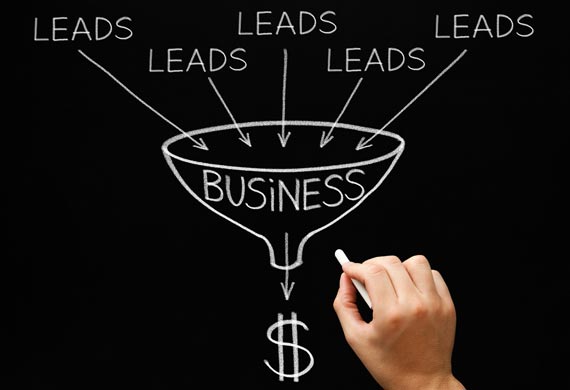
What is a Marketing Funnel

Marketing funnel design concept

When implemented correctly, a marketing funnel can increase sales and revenue for your business. Also referred to as a sales or conversion funnel, a marketing funnel is defined as:

"The process and experience from being introduced to your company up until eventually doing business with your company."

Marketing funnels are used by businesses across all sectors regardless of size. Generally people do business with companies and brands that they know, like, and trust, and a funnel is a mechanism that enables multiple interactions while fostering rapport and trust.

In this article, the marketing experts at Clash Graphics identify how companies use various media strategies to create marketing funnels and grow their businesses.

Stages of a Marketing Funnel

The complexity within a funnel depends on the resources invested in it. Some reach their conclusion within four or five steps, while others may have an intricate system of emails, text messages, and printed marketing material.

Here is a breakdown of a funnel’s stages and basic components:

1 - Awareness - This is when and how people are exposed to your brand (when they see, read, or hear something about it).
Marketing funnel awareness stage

The goal in this stage is to educate, identify a problem that can be solved, show value, and begin building a relationship with people new to your brand.

Awareness may occur via:

  • Television Ads
  • Radio Ads
  • Newspaper Ads
  • Direct Mail
  • Word of Mouth
  • Text Messages
  • Emails
  • Billboards
  • Flyers
  • Business Cards
  • Bumper Stickers
  • Online Pop-up Ads
  • Online Sidebar Ads


Building your strategy involves knowing the demographics of your desired clientele. Not only does this help you understand when and where to advertise, but it also helps you craft a perfect irresistible offer.

We see and hear these ads everywhere. “Click here for your free sample,” “Call now to take advantage of this great offer,” “Only twenty spots available,” and “Time is running out...”

2 - Lead Capture – (Often referred to as “Consideration”) When your traffic successfully interacts with your ad/pitch, by visiting your location, engaging and submitting info via your online sales page, downloading a coupon, or making a reservation for a product or service, they are getting to know you and your business.
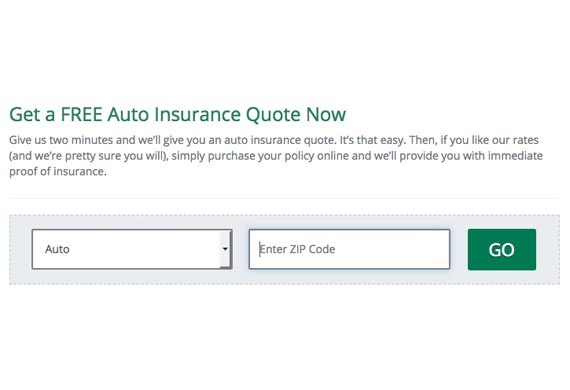
Lead capture stage of a marketing funnel strategy

As this happens, a primary goal is to acquire as much of the following necessary information as possible:

  • Name
  • Email address
  • Phone number
  • Mailing address
  • Home Address
  • Company/Title

Attaining this information allows the funnel to "go to work”, wherein you send strategically personalized messages, reminders, and promotions to your new lead.

By this time, the need, curiosity, or desire for your product or offer is such that the lead is taking steps to engage and acquire it. Creating desire is easier once you have successfully built trust and the lead has gained confidence in your product as a viable solution.

3 - Conversion – (Often referred to as “Decision” or “Customer”) When your funnel effectively articulates the problem that a lead has and how your product solves it, the probability is greater that they will decide to make a purchase. Voila, this is conversion, and the lead becomes a customer or member.

Marketing funnel strategy conversion stage

4 - Retention – Repeat and longtime customers will play a significant part in your success. After conversion, follow-ups are an opportunity to further engage your customer without necessarily pushing a sale.

Marketing funnel strategy retention stage

The following are ways to follow-up digitally or by printed media with your customers:

  • Send a “Thank You” note or email, thanking them for their purchase and inviting them to see other products, use a special discount code, participate in a free webinar, etc.
  • Send a questionnaire about their experience. This will give you valuable insight to better the customer experience.
  • Send educational material regarding the item or service your customer purchased.

Without a retention component, your business risks losing cash flow and customers – which are more expensive to acquire and then to retain.

5 - Advocacy – If your funnel has sufficiently engaged and satisfied your customer, they will likely become a repeat customer, and some will instinctively rave, thus creating awareness to their coworkers, friends, and family.

Marketing funnel strategy customer advocacy

In essence, your customers can become a fundamental part of your previously paid for “Awareness”, as they introduce people to your brand – starting them down the funnel.

The more customers that are advocating for you, the more potential your company will have for exponential growth.

Funnels are Used Everywhere in Marketing

The following is an example of a marketing funnel that most everyone can relate to:

Credit Cards - All of your credit cards use funnels to get new members and keep existing members excited about using them. Let's break down the components and actions of this funnel example:

  • “Awareness” – Credit card companies will use TV, online ads, billboards, radio, etc. to present celebrities and catchy slogans in advertisements to create a sense of familiarity and trust.
  • “Lead Capture” – When you (the prospect) call, write, or request online more information regarding a service or product.
  • “Conversion” – When you apply for a service or product. In this case a credit card.
  • “Retention” – Once you are a customer, you will receive reminders and promotional offers via regular mail, email, and even by phone.
  • “Advocacy” – With great offers, ease of use, rewards, and seamless customer service support, credit card companies (like all companies) rely on you to rave about them, and many will offer incentives or bonuses for referring new customers.
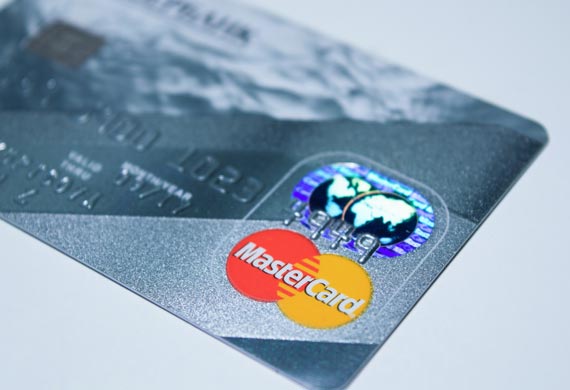
Credit card marketing funnel strategy

All of this is meant to build a relationship of trust and familiarity, which are leveraged to get you to commit to new products and services.

Can You Afford to Not Have a Marketing Funnel?

Without a marketing funnel, even the most attractive business ends up handicapped in attracting and converting new customers, and is subsequently leaving revenue on the table.

It’s straightforward. For your business to be highly competitive and successful, there must be a funnel in one form or another.

Now that you understand what a funnel is in its basic components, it's time to start developing and benefiting from your own today. Sign up below while supplies last… (wink wink, see what we did there?!)

Sources:
https://buildfire.com/marketing-funnels/
https://blog.hubspot.com/blog/tabid/6307/bid/33711/The-Steps-You-Need-to-Define-the-Stages-of-Your-Sales-Marketing-Funnel.aspx
https://autogrow.co/best-sales-funnel-examples/

Clash Graphics Print Shop Atlanta Flyer Printing

2233 Peachtree Rd NE Ste 202 AtlantaGA 30309

(678) 235-3464

To view the original version on Clash Graphics, visit: http://www.clashgraphics.com/printing-tips/what-is-a-marketing-funnel/


Tuesday, March 27, 2018

3 Best 2018 Super Bowl Commercial Ads

When I say the words, Super Bowl, what probably comes to mind is a momentous football battle and equally entertaining night of commercials. After 52 championship games, it is not only the competitive football, but also the entertaining commercials that viewers across the nation continue to be excited to watch.

Super bowl 2018 commercial ads

From a branding and marketing perspective, there is a lot at stake, and varied rewards for the best produced ads. Long after the game is in the history books, the commercials will be searched for, seen millions of times, and shared or talked about amongst friends and co-workers.

This year there were three runaway winners that exploited the Super Bowl platform, and displayed an exceptional level of marketing brilliance. These brands obtained massive visibility, and as of the date of this article, their commercials collectively have accumulated an astounding 65.5 million views on YouTube alone.

The Clash Graphics team reviewed, categorized, and voted on the best commercials from the 2018 Super Bowl. The three motifs these ads fit were: “Product Humor”, “Humanitarian Effort”, and “Marketing Genius”. Not only will you be entertained, but in their analysis we will offer ways to transform these concepts from a national stage and apply it to your regional or local business.

Product Humor with Amazon’s Alexa

Amazon combined star power with humor and used its clever voice-assistant to entertain, generate buzz, and inspire potential buyers to question whether they are missing out and should consider one of their latest Echo products.

This self-deprecating commercial of their Alexa voice-assistant losing its voice and being replaced with the likes of Chef Gordon Ramsay, Musician Cardi B, Actor Anthony Hopkins, and others illustrates how using humor to display a product’s utility can elevate and create an iconic Super Bowl ad.

In maximizing their branding potential, Jeff Bezos, founder and CEO of Amazon, was placed in the beginning of the commercial. This seemingly insignificant cameo was enough to gain significant media coverage, in addition to making him more familiar, likable, and personable to the public and all Amazon supporters.

“Thanks guys. But I’ll take it from here.” coupled with “Nobody does it better” ends this ad with a very clear message as Amazon flaunts their hot product and well orchestrated hit Super Bowl ad.


Humanitarian Effort from Budweiser

For the second consecutive year, Budweiser has not used its iconic clydesdale horses in its Super Bowl ad. This year’s ad showcased the humanitarian efforts the company led, and their commitment to help the American people whenever and wherever disaster strikes.

The commercial relies less on tradition and more on its a recent response to disaster and action. The mentioning of Florida, California, Texas, and Puerto Rico at the end shows viewers across America the massive relief effort the company is engaged in and committed to. Many were oblivious that over the past thirty years, Budweiser has “bottled” tens of millions of cans of water which are sent for disaster relief worldwide.

What makes this ad so impactful is that few viewers knew this was taking place behind the scenes. With little to no media coverage of their involvement, it appears Budweiser is a good spirited company that stands for more than just beer. That in and of itself tells us so much about the company’s values and their commitment to the American people.

As you can imagine, this will earn them the goodwill and support of more American consumers that share their values and find their actions commendable.

Marketing Genius from Tide

All things equal, no other Super Bowl ads were as brilliant as the Tide ads from Saatchi & Saatchi (New York ad firm). With a cleverly orchestrated idea that felt fresh and familiar, yet unexpected, not only did they promote Tide, they cleverly incorporated the iconic Old Spice Guy and Mr. Clean character (all are P&G products - under the same parent company) to reenforce it.

The marketing genius came in two parts:

Using Parodies - The use of parodies allowed the viewers to believe they were watching an ad for something else (Old Spice, Mr. Clean, Budweiser, insurance, pain relief, etc.) until the reveal - by David Harbour from Stranger Things - where it humorously exposed that it was actually a Tide ad all along.

Creating an Experience - With the principle ad aired and the parodies randomly popping up, Tide was able to capture a piece of every other commercial by exploiting the viewers cynicism.

The experience was the expectation of non-Tide ads to be Tide ads, and even when they weren’t, Tide was still on everyone’s mind. For the duration of the Super Bowl, every viewer was psychologically hacked - literally - to try and avoid being “tricked again”, thus always found thinking about Tide during many other commercials.

Tide’s creative brilliance garnered massive attention, publicity, and Ad-Weeks top advertising award for the Best Ad of the 2018 Super Bowl!

Applying National Stage Marketing to a Local Level

While your marketing budget may not afford an ad spot during the Super Bowl, you can use these basic marketing concepts to generate heightened awareness, likability, and increased earnings.

Humanitarian Activities - If your company regularly donates time, product or services to those in need or those aspiring to a greater education, make it public knowledge.

Your local marketing campaign should include the way(s) in which your business supports the community. By doing so, a sense of trust is developed between your business and both current and prospective customers.

While you may consider this wasteful or counterintuitive, people will often more readily do business with those who support and are actively involved in their communities. A secondary benefit can occur as the people in your community become aware of and support the cause that you were supporting, which in turn is a massive win-win.

Product Humor - Whether your product is brand new or well established, a dose of humor is a fun and entertaining way to introduce or reenergize a product within the market.

At a local level, find out what issues are at the top of discussion, what part(s) of local history are popular among your target audience, the music they listen to, and the clothes they are wearing. Gather as much information as possible and find ways to bring out some humor, keeping it classy of course.

In the Amazon commercial, Alexa loses her voice and is hilariously replaced with several celebrities responding with absurdities. A similar approach can be taken by finding local celebrities to participate in your product’s marketing campaign. Communicate and welcome ideas from the celebrities, as they may be able to offer clever angles and pitches from their own life or noteworthy topics surrounding their likeness.

Marketing Genius - Ads like the 2018 Tide Super Bowl ones are rare. Being able to captivate an audience in that way for that amount of time is an amazing feat. At the local level, it is creating the experience that will serve to strengthen your brand and product.

Creating expectation through simple misdirection and other products (from your brand) is an effective way to generate interest, curiosity, and anticipation.

Task your marketing team or ad agency to weave together an ad campaign that includes print, televised, and social media ads to keep your customers curiously engaged and coming back for more.

The larger your brand and product recognition becomes, the more impactful your ad campaign can be. Steal a page from the Super Bowl advertisers playbook, and make an impact with your next sales and advertising campaign.

Clash Graphics Print Shop Atlanta Flyer Printing

2233 Peachtree Rd NE Ste 202 AtlantaGA 30309

(678) 235-3464

To view the original version on Clash Graphics, visit: www.clashgraphics.com/printing-tips/3-best-2018-super-bowl-commercial-ads/

Tuesday, February 20, 2018

How to Start a Business in 7 Steps

Small businesses are part of an overwhelming majority of all combined businesses in the United States. In fact, there are nearly 30 million small businesses that make up well over 99% of all businesses in the U.S.

Becoming an entrepreneur and designing a flexible career path doesn’t require a college degree, decades of management experience, or tons of money in the bank. Having a plan, following necessary steps, and maintaining the persistence to see it through are the only basic prerequisites needed to set you on a path for success.

Entrepreneur business startup strategy planning

Remember to set goals for yourself, your team, and your business as you go, and follow these seven steps to help get your business up and running smoothly.

1. Successful Business Start-Ups Have a Vision and Plan

A business plan is a clear snapshot of your business. It should be designed to clearly define the start, growth, and objective of your business, and the products and services one intends to offer and sell. In solidifying what’s ahead, a plan should outline its goals and milestones, primary operating procedures, and its greatest competition.

A well designed business plan should include the following sections:

1. Title Page
2. Summary
3. Business Description
4. Marketing Plan and Strategies
5. Competition Analytics
6. Development Plan
7. Operation and Management
8. Business Projections
9. Appendix

NOTE: If you seek funding from a loan or venture capitalist, nothing will be achieved without a business plan. Make sure your plan includes a marketing campaign, as sales is the lifeline of every business, and a business can not last without new buyers and customers.

2. Starting a Business Based on Market, Product, and Customer Research

The majority of new entrepreneurs will tend to neglect market research, but such due diligence is critical and helps you in the following ways:

Identify Your Target Market - Identify and research the people you are trying to reach, their needs, mentality, and current options in the market.

Test Your Idea - Before going to the market with your idea or product, test its viability and feedback from potential customers. This process will help you to identify ways to better your approach by revealing opportunities to better your product.

Understand the Needs and History of Your Target Market - Knowing all previous and current solutions will help to further define your options for bettering your product, and the approach you take in getting it to the market.

Research the Competition AND Market Partners - Start with online searches. Observe how their websites are structured, how they present their product, and the mechanisms they use to illustrate the benefit of becoming a customer.

NOTE: If no one else is doing “this” in the market, find out why. There may be a strong reason or validation that your product is in fact unique.

When researching or holding a focus group, ask about the factors that lead to the purchase (or not) of the product, about areas or opportunities for improvement, and (if purchased) about product satisfaction. Be willing to accept negative (or harsh) feedback as well as the good, both forms of information serve the same purpose: to better your product and improve chances for long-term success and profitability.

Research their advertising and marketing approaches. Learn from their mistakes and their success. Every pitfall you can identify and avoid will help to get your product to market faster and more efficiently.

Diversify Your Market Research Approach - Don’t allow yourself to get caught up in only one form of research, rather employ various methods such as: online, face-to-face, phone, surveys or questionnaires. The content value of your research gains value when diverse methods of acquiring such information are used.

3. Choosing and Registering Your Business Name

Before anything else, you must understand that your business name represents your business, your product, and you. It has the power to attract or repel potential customers and is as important as the product it represents.

Keyword brainstorming will help you to come up with a list of relevant potential names. Remember that this brand name will play a role in every aspect of your business and branding efforts. When developing a short list of possible names, identify potential implications (positive and negative), and associative words that represent your product.

When you settle on a business name, research it to make sure it is not in use or trademarked. If the name is okay to use, register it with your local and/or state Government (Secretary of State or County Clerk). Also, secure it as a domain name via GoDaddy.com or other Domain name registrar. If the exact name is not available, use slight variances until you find one that is relevant and available.

4. Create Your Business Logo and Marketing Material

Establishing your company’s identity (branding) involves a combination of Business and creative efforts. To help potential customers find, identify, and remember. You should have a logo that makes sense. That logo should then be visible in every aspect of your company’s marketing and promotion campaign.

Seeing its importance, the logo should embody your companies core character, and display these values using relevant colors, designs, and font styles.

Printed marketing materials include business cards, letterheads, envelopes, notepads, t-shirts, stickers, etc. Generally the more visible you become, the more the public will begin to know, like, and trust your company.

Business graphic design marketing material

Marketing is about effectively communicating the benefit of your company, and it starts with your logo and the design of your marketing materials. If you need a savvy graphic designer or printed marketing materials for your business, visit clashgraphics.com.

5. Get Business Tax ID, Licenses, and Permits

In order to avoid intellectual theft, lawsuits, or being misled in a partnership, take steps to secure all of the legal aspects of your business early on.

Some of the requirements to ensure your company is properly structured are:

  • Business Name
  • Business Structure (corporation, partnership, LLC, etc.)
  • Federal Tax ID or Employer Identification Number (EIN)
  • State Tax ID
  • Municipal Tax ID
  • Register Your Business
  • Commercial/Business Permits
  • Commercial/Business License
  • Business Bank Account
  • Insurance

Being in good standing with your local government and tax authority is a fundamental prerequisite to your business success. It is prudent to consult a lawyer, tax specialist or accountant to ensure you are operating in accordance with all laws and fully protected. If you have employees, be aware that the following payroll requirements may also apply:

  • OSHA Requirements
  • Unemployment Insurance
  • Workers’ Compensation
  • Federal Tax
  • State Tax
  • Local Tax
  • Payroll Tax (FICA, Social Security, Federal and State Unemployment Tax)


6. Choose and Establish a Business Location

Your business location should fit your current business needs and be flexible enough to support growth. Take the following into consideration:

Business Location - Does the location geographically suit the needs of your business and the business you will be doing? Is it convenient and easily accessible to your ideal customers?

Buy or Lease? - Determine the affordability of the location and whether or not this will be a short, mid, or long term location. This will be a substantial commitment, so consult a real estate professional to ensure that you understand all terms of the lease or purchase agreement.

Home Office or Storefront - In many business startups, the storefront is the home office. As your business grows, will you plan to move the “home office” to another location? Do you have the capital to maintain two separate locations from the start?

Foot Traffic - For a storefront location, ease of access is fundamental. Is there sufficient foot traffic to bring walk-ins and is the location easy to find?

Parking - If your customers have trouble finding a parking spot or simply don’t know where to park, they will go elsewhere. Again, ease of access plays a tremendous role in the success of your company.

Competition - After having invested in market research and done the footwork to know your customer’s demographics, the choice location may be near your competition.

Lastly, consider the majority of customers will navigate and find your location using their smart phone devices. Check that Google and Apple Maps recognizes and provides clear directions to your new potential place of business

7. Plan Your Finances and Fund Your Business

Part of being a small business owner is having the upfront capital for the initial investments and ongoing expenses until your business begins to turn a profit.

Having a clear concept of the difference between one-time costs and ongoing expenses will allow you to appropriately plan and invest in both. The following are the potential one-time startup costs you may have:

  • Market Research
  • Leasing Expenses
  • Licenses and Permits
  • Legal Fees
  • Office Equipment
  • Manufacturing Equipment
  • Trademarking
  • Branding

A few of the ongoing expenses you will have to cover may be:

  • Salary / Payroll
  • Rent
  • Advertising / Marketing Budget
  • Supplies
  • Utilities

When you self-fund your business, you are in control of its path, equity, and future. Seek additional funding through a bank loan, credit union, or line of credit.

Another capital strategy is to negotiate advance payments from strategic partners, or offer a discount to clients willing to prepay their services. If your product is in high demand, those that have a need may be willing to fund you as well.

Kick starter or other crowd funding platforms are popular and effective methods to raise capital for your new venture.

While there are infinite ways to fund a new business, beware of unscrupulous contracts and agreements that may jeopardize the present or future well-being of your business.

Starting a Business Through Informed Decisions

When creating, developing, realizing the information and structure for a new business, every available venue for research and knowledge should be exhausted. Making informed decisions about the structure, functionality, size, and location of your business from the start will give you a better chance at obtaining steady growth and eventual success.

A potential framework for your new startups’ success is - having surpassed tangible milestones while setting new goals to reach.

Clash Graphics Print Shop Atlanta Flyer Printing

2233 Peachtree Rd NE Ste 202 AtlantaGA 30309

(678) 235-3464

To view the original version on Clash Graphics, visit: www.clashgraphics.com/printing-tips/how-to-start-business-7-steps/

Tuesday, October 31, 2017

Real Estate Marketing - Secrets Shared at a Private Event

Sitting in on a real estate marketing meeting was never on my list of things to do. Until one day, I was shamed by my best friend Shawn into going.

Looking back on the experience, I can say that it was truly an eye opener. The people were friendly, the food was excellent and the drinks were killer! Most impressive were the topics and ideas presented to the 30 men and women that day.

Following are the enlightening real estate marketing tips that were presented by Don and Pat (husband and wife real estate wizards).

Build a Website That is Capable of Generating Leads

Don began by explaining how the methods of marketing had dramatically changed over the past decade. People’s attention span was about 2 seconds and if your website content couldn’t deliver a clear benefit quick enough, it would fail.

He then showed us the differences between successful websites and poorly managed one’s. The successful sites were well structured with pertinent information, high-quality and captivating photos of all properties, video walk-throughs, and other features that enhanced the process for a buyer or seller. Take a look at this video walk through virtual tour example:

After delivering valuable information and rich content, the website left you asking for more but required your email address or phone number. This turned visitors into leads, and made the website more than a digital brochure.

After Don’s presentation, it became obvious how certain elements could greatly impact the effectiveness and value a website delivered.The two core principles Don presented that stood out were;

Navigation through successful sites was obvious and always simple. Even the novice users could get the information they needed without getting “lost” or having to search. Visitors come to a website for their own benefit; make what they are looking for easy to find and they will reward you with their attention. In the web design industry, intuitive design and ease of use is known as “user experience”. Ensure your web development company is proficient in this department, or little else will matter.

Branding and curated content that spoke to a specific segment of the market. We can’t be all things to all people. A real estate website is no different, and must clearly indicate the market and people it serves. A first time homebuyer has vastly different needs than someone looking for a luxury home. Or consider parents buying a home in a great school district and the things that would be important to them. Knowing and displaying this information on your website speaks volumes, and subconsciously lets the customer know you understand them and their specific needs. Feeling understood is an intangible that makes your customer comfortable. When setup properly, your website can help earn the goodwill and trust of a potential client.

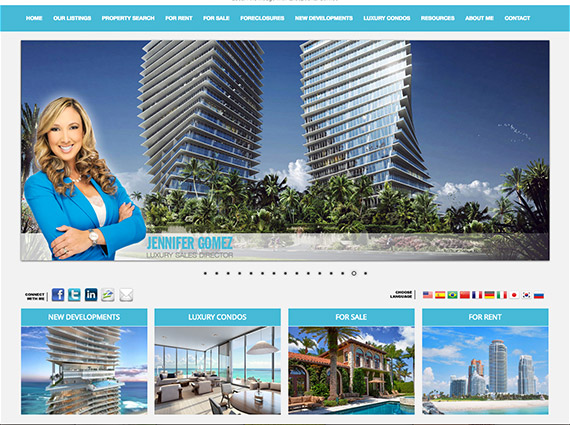
Take a look at this well branded website that is catering to luxury condo owners:

Real estate agent branded website

Establish a Referral Program

Pat took over at this point and provided an interesting and shocking statistic. She said, “On average, out of every 100 people that call you, only 18 will come from your marketing efforts. The other 82 will be referrals from past or current clients.”

This made perfect sense to me. All my adult life, I have understood the building power of “word of mouth” and how important it is in any business to keep your clients buzzing about your products and services.

Real estate meeting and referral program

Thus this staggering statistic cannot be overlooked, or you will fail. Put into perspective, 8 out of 10 calls are a function of your network and six degrees of separation amongst people you know, or people that know you.

With this in mind, a large part of your marketing efforts must be to encourage and facilitate said referrals from this group. In essence, your job in marketing is to create visibility and awareness while fostering deeper relationships within your existing network.

She went on to explain how simple “rewards for referrals” would entice people to spread your name. Be creative she said, “rewards can be in the form of any number of fun things, like concerts, dinners, or money.” People want to be acknowledged and appreciated for their efforts.

However, Pat warned us, “Your service and product must contain superior quality in all of its aspects. Without quality, there will be no referrals to worry about.”

Remaining Relevant With Social Media Profiles

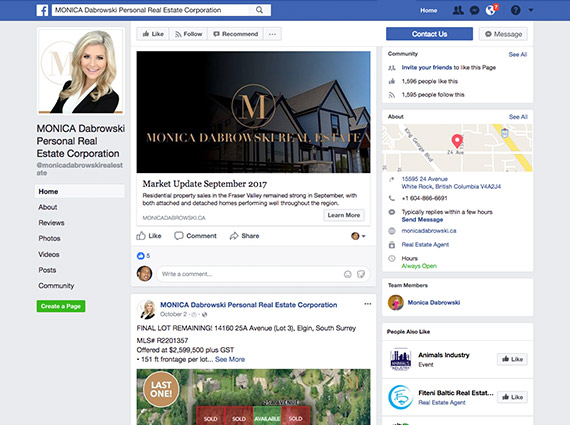
Don picked up seamlessly where Pat left off and asked the room for a show of hands, “How many of you have a Facebook profile?” Everyone had a hand in the air. He then went on to explain that social media is the new-age dominant word-of-mouth marketing medium.

Real estate agent social media facebook profile

“Everyone in some way is connected by social media, Facebook alone has over 2 billion users.” and that “Anyone shying away from building and asserting their brand and value on social media is losing out on potential clients and revenue in a big way.”

After taking us on a quick tour of Facebook, Instagram, Twitter, and Snapchat, Don said this: “Quality and engaging engaging content is your #1 goal. Not sales! If you can’t focus on quality content that’s relevant to your customer, don’t waste your time.”

Home buyers and sellers are interested in a wide variety of things. Use your social media platform to call attention to the important ones that are directly affecting your clients. Some examples are: pricing trends, housing inventory levels, interest rate hikes, a new home coming available in a highly sought after area, or highlighting the schools and local amenities within a neighborhood.

Relevant facts and statistics are critical in getting people to pay attention. Stop and think, how many of us randomly post images, phrases, and comments without giving much thought to them. What if we were (as Don put it) focusing first on the end-user and their needs.

The majority of the time you should focus on their interests, but being entertaining also has its benefits. Watch how this young realtor uses her YouTube channel to be personal and showcase a day in her life:

Sponsorship of Local Teams, Charities, and Events

At this point, we all expected Pat to pick up the microphone. She did not and Don sat down. They toasted each other with their martinis as Brad came from the back of the room (microphone in hand) talking about sponsorship.

“Sponsorship of local events, charities, and athletes is one of the fastest ways to create visibility, awareness, and build trust in a community. With banners, flyers, hand-outs, and signs, you are able to personally engage and show the people your investment in their well-being and the local community.” He went on to explain, “For your yard signs to be effective, there must be a level of trust behind the brand. Only then will the SOLD sign be attached.”

Real estate community charity sponsorship

Turns out that Brad is Don and Pat’s son. Also a very successful real estate agent (and great bartender too). His message ended with an emphasis on the quality of all printed material and again, “Your content on everything printed must contain the highest quality customer-focused information, otherwise it will not convey your message and simply be tossed in the trash.”

This is part one in a two part series. For the rest of these real estate marketing tips, check back here: www.clashgraphics.com/printing-tips/

Clash Graphics Print Shop Atlanta Flyer Printing

2233 Peachtree Rd NE Ste 202 AtlantaGA 30309

(678) 235-3464

To view the original version on Clash Graphics, visit: www.clashgraphics.com/printing-tips/real-estate-marketing-secrets-shared/