Thursday, August 11, 2022

Custom Stationery Printing - Everything You Need to Know

Don't be ignorant to the possibilities of custom printed stationery. Knowing how to design and print the highest-quality stationery will help you put your best foot forward when engaging with new customers, clients, and fans.
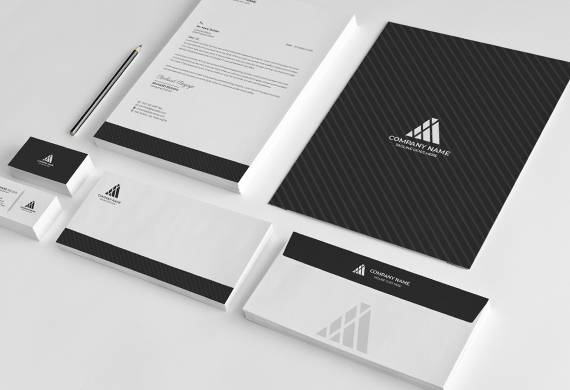
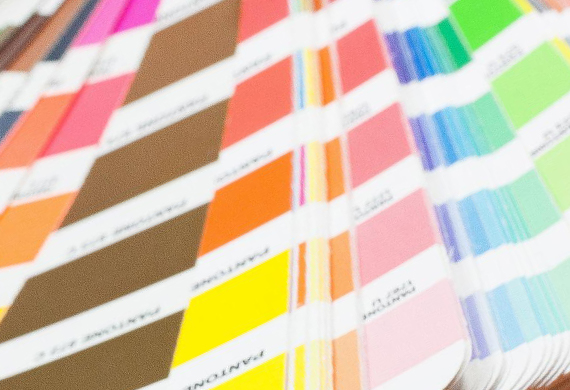
Custom stationery includes letterhead business cards envelopes and more printed on different types of paper

clashgraphics.com gathered the following information about custom stationery printing, what items you can have customized, and how to get it professionally printed.

Custom Stationery

Personalized or custom stationery includes any type of paper or writing utensil that is customized to a specific user or business needs. For centuries, people have used custom stationery to make unique invitations, calling cards, letterhead, and other business-related paper goods.

Custom Stationery Design

Custom stationery can include an infinite combination of words, colors, images, and designs. The following steps will help you quickly create your stationery design using Adobe InDesign, Illustrator, Microsoft Word, Publisher, Apple Pages, QuarkXPress, or CorelDraw.

  1. Start with a design template
  2. Add your own images and logo
  3. Add personalized text and select fonts
  4. Choose color combinations that suit your brand
  5. Print your design in-house or send it out

Note: Stationery design covers all the writing equipment and office supplies you normally require for day-to-day use, like paper, letterheads, pens, pencils, folders, business cards, post-its, and cases.

Tip: Consult a graphic designer to help you sharpen and de-clutter your work so it can be applied to all of your stationery needs.

What Paper is Best for Stationery?

Traditionally, high-quality stationery is made of heavy cardstock. For more formal occasions, white and ivory are most common, but pale blue or grey are often the colors of choice. Consider the following when selecting paper for business stationery:

  • Letterheads are typically printed on bond or text paper. For bonds, the most popular weights are 20Lbs and 24Lbs, while for text paper, the most popular weight is 70Lbs.
  • Envelopes are created from the same weight and color paper as the corresponding letterheads in a process called converting. Large sheets or rolls of stationery-grade paper are loaded into a machine that cuts a pattern from the sheet, then folds and glues the pattern creating an envelope.
  • Business cards are typically printed on cover stock with a weight of 65Lbs or 80Lbs. The thickness of the stock is determined by the finish, not its weight.

Tip: Your paper selection will significantly influence the finish and presentation of your stationery, before approving large runs, request samples on multiple parer weights and colors.

What Finishes Can be Applied to Paper Stationery?

Custom stationery includes letterhead business cards envelopes printed on different types of paper

Finishes can visually and texturally transform your paper selection. Finishes can be applied to paper inline (during the manufacturing process) or offline (after manufacturing).

Inline finishes are made with rollers that form a pattern in the paper while it is still wet. Offline finishes are created with steel rollers that press a pattern into the paper and are commonly known as embossed finishes.

Popular finishes for stationery paper include:

  • Cockle, which simulates handmade paper
  • Laid which appears to have translucent lines horizontally and vertically in the paper
  • Linen which resembles linen cloth
  • Smooth, which has a smooth, polished appearance
  • Vellum which has an eggshell appearance (consistent and even)
  • Wove, which has a slight texture with an even finish

Note: A watermark is an embossed design made during its manufacturing. The design typically identifies the paper and its manufacturer. Watermarks are visible when the sheet is held to light and is considered a hallmark of a superior paper grade.

Custom Writing Utensils

Custom writing utensils are an integral part of your professional stationery collection. They provide a sense of preparedness and style. Doctors, lawyers, elected officials, and public figures often need to sign important documents, and the right customized pen can leave a lasting impression.

When you give away customized pens as promotional material or “swag” (pens, pencils, post-it pads, mouse pads, t-shirts, bags, etc.), there are three principal benefits you get in return. These benefits include:

Exceptional ROI - A great advantage of promotional pens is that they are incredibly budget-friendly. Everyone uses pens, making them a great return on investment. This allows you excellent exposure as pens are used repeatedly.

Building Brand Awareness - Brand awareness is key to capturing and retaining customers. Functional promotional items like pens have a wide reach. Not only are they given to your current clients, but they are seen and received by others.

Note: This printed stationery allows your brand to be on someone's mind when they are looking for a solution that you offer. With this awareness, they are more likely to reach out to you than search for one of your competitors.

Keep Your Customers Happy - Offering free promotional swag - useful to your customers - allows you to create lasting impressions on them. Small gifts make big impressions and can significantly improve your customer's experience with your brand.

Tip: This type of interaction can be more memorable than distributing business cards, which often get filed or thrown away.

Stationery Design

In this article, you discovered essential information and tips on custom stationery printing, what you can customize, and how to get it professionally printed.

By custom designing your business stationery, you can create a powerful image and representation of your product and business ethics.

Ignoring the possibilities of custom printed stationery will leave your projects dull and not as visually appealing.

Sources:
graphicdesign.sfcc.spokane.edu/dZine/mujica/printproduction/2019/lecture/l13_Choosing%20Paper.pdf
online.ndm.edu/news/business/small-business-branding/
scu.edu/mobi/resources--tools/blog-posts/how-to-brand-your-business-and-your-products/
merriam-webster.com/dictionary/stationery

Clash Graphics Print Shop Atlanta Flyer Printing

2233 Peachtree Rd NE Ste 202 Atlanta, GA 30309
(678) 235-3464

To view the original version on Clash Graphics, visit: https://www.clashgraphics.com/printing-tips/custom-stationery-printing-everything-you-need-to-know/


Monday, July 11, 2022

What are the Best Colors for Marketing

Avoid using the wrong colors and creating visuals that detract from and hurt your brand identity. Knowing which colors are most well-received by the general population will help you structure better product presentations, improving sales and company revenue.

Colors used in marketing and advertising include colors that capture attention and stir emotion

clashgraphics.com gathered the following information about which colors are the most popular and most utilized in marketing and product presentation.

Which Color is Best for Business?

When it comes to marketing success, color can make or break a line of products and the company behind them. While there is some debate over which color is the best for business, consider the following and apply your own product/sales data and market research:

Marketing with Red

Colors used in marketing and advertising include red

Marketing colors like red are typically utilized to capture attention. Red is associated with excitement, passion, erotica, danger, energy, and action. Some brands use red for 'order now' buttons, calls to action (CTAs), or for their packaging as a way to differentiate their product(s) on the shelf.

Note: Red has a range of symbolic and historical meanings through different cultures, including life, health, vigor, war, courage, anger, love, and religious uprising.

Marketing with Blue

Colors used in marketing and advertising include blue

Due to the color blue’s association with water, this color is known to arouse feelings of calmness and tranquility. Blue can also signify peace, gentleness, and relaxation, and some blue shades may trigger sadness. Blue is also frequently associated with trust, and you see many financial institutions using it in their product marketing and overall branding.

Note: The color blue commonly represents both the sky and the sea and is associated with open spaces, freedom, intuition, imagination, inspiration, and sensitivity. Blue also evokes meanings of depth, trust, loyalty, sincerity, wisdom, confidence, stability, faith, and elevated intelligence.

Marketing with Black

Colors used in marketing and advertising include black

Consumers will notice black being used on high-end, luxury, or elite product websites. The high contrast that black provides other colors allows certain webpage elements (like backgrounds) to recede, so the user's focus can be coerced to product images without the overall layout appearing forced or overdone.

Note: Black is popular in retail. In color psychology, black's color meaning is symbolic of mystery, power, elegance, and sophistication. In contrast, the color black can also evoke emotions like sadness and anger. Many fashion retailers use black in their products and logos.

Marketing with Yellow

Colors used in marketing and advertising include yellow

Use yellow shades to evoke pleasant, cheerful feelings. Choose yellow to advertise and promote children's products and anything related to leisure. Yellow is highly effective for attracting attention. Use it to highlight the most significant elements of your design.

Note: Yellow is commonly known as the color of the sun (the sun is actually white), smiley faces, and sunflowers. It is recognized as a happy, youthful color, full of hope and positivity. It's another color that grabs your attention and, for that reason, is also used to signify caution, like red and orange.

Marketing with Green

Colors used in marketing and advertising include green

As opposed to red, green represents safety; it is the color of free passage (“go”) in road traffic. You can use green to indicate safety when advertising typically unpopular products like drugs and medical items. Green is directly related to nature and is frequently used to promote 'green' or sustainable products.

Note: Typically, shades of green symbolize life, fertility, spiritual renewal, regrowth, and resurrection. Green is a combination of yellow (symbolizing glory and energy) and blue (relating to God and the heavens).

Marketing with Orange

Colors used in marketing and advertising include orange

In marketing, orange often represents youth, playfulness, and being bold. Orange is typically seen as healthy, energizing, and attention-grabbing. As seen in branding like that of Amazon, Nickelodeon, and The Home Depot.

Note: Orange often represents meanings or feelings of joy, warmth, sunshine, enthusiasm, success, encouragement, change, determination, health, stimulation, fun, balance, sexuality, freedom, expression, and fascination. Orange is seen as the color of happiness and creativity.

Marketing with Purple

Colors used in marketing and advertising include purple

Purple is associated with luxury, royalty, dreams, mystery, and elegance. Light shades of purple are seen as soothing and work well for beauty-orientated advertising and branding.

Note: Purple often represents royalty, nobility, luxury, power, and ambition. Purple also signifies wealth, extravagance, creativity, wisdom, dignity, grandeur, devotion, peace, pride, mystery, independence, and of course, magic.

Marketing with White

Colors used in marketing and advertising include white

In advertising, white represents coolness, sanitation, and cleanliness. Use white to suggest simplicity in high-tech products. White is an appropriate color for charitable organizations as angels are typically portrayed as wearing white garments and robes.

Note: White is clean, simple, and pure. It stands in direct opposition to black, and its significance is unequivocal. As white light contains all the colors of the spectrum, it’s an inclusive, impartial color, favoring no one hue, unable to take sides.

Best Colors for Marketing and Advertising

In this article, you discovered essential information about the meanings and applications of the best colors for marketing and branding.

Understanding how advertising and marketing are profoundly influenced by the organization and combination of colors will help guide your company’s and product’s visual presentation. The right color combination for the right product, brand, or philosophy can translate to popularity, success, and significantly increased revenue.

By haphazardly using color schemes and mismatched color tones, you risk jeopardizing your business’ prosperity, popularity, and longevity.

Sources:
gcu.edu/blog/performing-arts-digital-arts/how-advertisers-use-color
appliedpsychologydegree.usc.edu/blog/color-psychology-used-in-marketing-an-overview/
citeseerx.ist.psu.edu/viewdoc/download?doi=10.1.1.975.839&rep=rep1&type=pdf

Clash Graphics Print Shop Atlanta Flyer Printing

2233 Peachtree Rd NE Ste 202 Atlanta, GA 30309
(678) 235-3464

To view the original version on Clash Graphics, visit: https://www.clashgraphics.com/printing-tips/what-are-the-best-colors-for-marketing/

Wednesday, June 15, 2022

How To Learn Graphic Design

Don't waste your time and take longer than it requires to pickup the skill to become a designer. Learning graphic design will open up new professional and personal possibilities.

Learning graphic design requires you to study and practice

clashgraphics.com gathered the following information about graphic design and what you can do to learn it.

What Is Graphic Design?

Graphic design refers to the profession and discipline of activities that project visual signals or communications intended to convey well-defined messages to specific demographic groups with clear and predetermined objectives.

Learning Graphic Design

As with any new subject, there are many new things to learn. Getting acquainted with the basics is your first step on your journey. Having determined that graphic design is the career or skill you want to pursue, you’ll need some guidance on the steps to take in order to achieve your goal. Consider the following advice and tips:

Familiarize Yourself With Graphic Design History - There are many places where you can get started with graphic design history, from podcasts to documentaries and design books.

Increase Your knowledge of Design Principles and Process Skills - Graphic designers should know the 5 principles of design:

  1. Alignment
  2. Repetition
  3. Contrast
  4. Hierarchy
  5. Balance

These principles work together to create a cohesive design, stability, organization, consistency, impact, and clear message. Following these principles, designers can articulate and solve visual and conceptual problems as a part of the design process, from the research phase to idea development and the final outcome that gives their client the desired results.

Deepen Your Knowledge of Typography - Typography helps you give character to a brand and is crucial to graphic design, including magazine copy, advertisements, logos, and much more. Understanding typography allows you to justify typographic choices in your own work and significantly elevates your design work.

Learn the Fundamentals of Color - Color is an essential part of design because it is used to affect the mood of the design and the brand. Color is used as a powerful tool to persuade and entice. Experienced designers have a profound understanding of:

Learning graphic design requires you to fully understand colors

  • The meaning of each color
  • Color combinations
  • How color palettes are used for emotive impact

When choosing colors for a design, having a solid foundation of color meaning and the science behind it will help you produce superior designs.

Become Proficient in Design Programs - Pursuing a career in graphic design will require you to learn how Illustrator, InDesign, and Photoshop (Adobe Creative Cloud), and Sketch work together to create stunning designs.

Use Social Network Platforms - Social media platforms like Pinterest, Facebook, and Instagram are tremendous resources for connecting with and discovering works by other designers and artists.

Join National and International Design Groups - Attending local, national, and international design events (in-person or virtually) affords you the opportunity to network with other designers and artists, building your connections and popularity in the industry. Networking with these people can help you accelerate and advance in your design career.

Continue Your education - Being self-taught can take you a long way in the graphic design industry, but without a higher education, you may find it challenging to secure employment in high-level positions or in larger corporations.

Learning graphic design requires you to further your education

At the college or university level, graphic design schools are typically a department or academic unit within a larger institution offering undergraduate and graduate degree programs in graphic design and related fields. Such programs may include:

  • An Associate’s Degree in Graphic Design (a two-year program)
  • A Bachelor’s Degree in Graphic Design (a four-year undergraduate program)
  • A Master’s Degree in Graphic Design (a post-graduate course of study typically requiring two years to complete)
  • A Certificate in Graphic Design (a standalone credential for those transitioning into the graphic design field)

In this post-pandemic era, most graphic design colleges have eliminated separate designations for on-campus and online degrees. Instead, these institutions now list their graphic design courses as either “in person” or “online.” Among the nation’s best graphic design schools are:

  • Pratt Institute - pratt.edu/academics/school-of-design
  • Rhode Island School of Design - risd.edu/academics/graphic-design
  • Carnegie Mellon University School of Art - design.cmu.edu
  • ArtCenter College of Design - artcenter.edu/academics/undergraduate-degrees/graphic-design/overview.html
  • Parsons, The New School for Design - newschool.edu/parsons/bfa-communication-design

Required Skills for Graphic Designers

Applying for a new or better position as a graphic designer requires you to use all of the essential skills that make you a graphic designer. Here are some of the skills that employers will consider when hiring a graphic designer:

  • Creativity
  • Communication Skills
  • Strategic Thinking
  • Design App Experience
  • Coding Knowledge

Uniting the multiple skills required for you to be a graphic designer will increase your value to the work market. Read more about required graphic design skills at clashgraphics.com/printing-tips/essential-graphic-design-skills/

Mastering Graphic Design

In this article, you discovered information about learning graphic design, how to further your education in the field, and the skills you must possess to excel in the profession.

Embracing the need to seek more information and education in the graphic design field will help you progress professionally and develop a more meaningful career.

Not knowing the most efficient way to become a graphic designer can leave you with less prominent positions or delay the process and cost more.

Sources:
newschoolarch.edu/blog/how-to-become-a-graphic-designer-step-by-step/
rasmussen.edu/degrees/design/blog/what-is-graphic-design/
northcentralcollege.edu/news/2022/03/02/what-do-graphic-designers-do

Clash Graphics Print Shop Atlanta Flyer Printing

2233 Peachtree Rd NE Ste 202 Atlanta, GA 30309
(678) 235-3464

To view the original version on Clash Graphics, visit: https://www.clashgraphics.com/printing-tips/how-to-learn-graphic-design/

Wednesday, May 18, 2022

7 Types of Printing

Prevent your lack of knowledge of the best type of printing for your project from wasting your money, or causing you to print an inferior product. Knowing different types of printing and how they are used can significantly increase your production quality and reduce your expense.

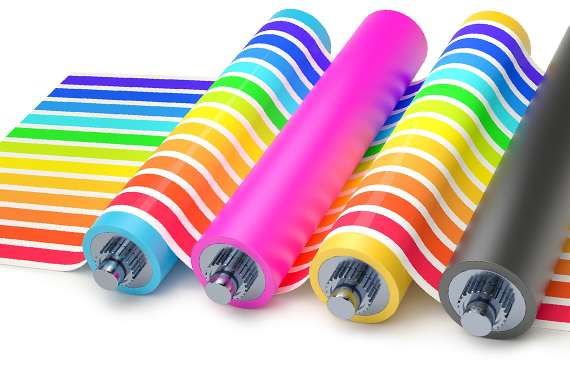
Several printing types  can be used by modern creators for better results

clashgraphics.com gathered information about seven types of printing for modern creators to produce higher product volumes with superior results.

1. Sublimation Printing

Printing types like sublimation can be used by modern creators

The sublimination printing process involves printing text or an image onto a special sheet of paper, then transferring the image onto another material (polyester or a polyester hybrid). In this process, solids (printed ink in this case) turn into a gas without phasing through the liquid stage.

Pros: Outstanding for fine lines and details, and arguably one of the best printing methods for all-over (seam to seam) printing and helps reduce waste by using less ink during product production and saves water when cleaning up afterward since no ink or paint comes into contact with fabric at any stage.

Cons: Sublimation items must have a white or light-colored print area, black or dark-colored surfaces can't be sublimated. The item may lose color over months due to UV ray effects if exposed to direct sunlight for long periods. And, like all inkjet printers, the printheads can clog up if not used regularly.

2. Screen Printing

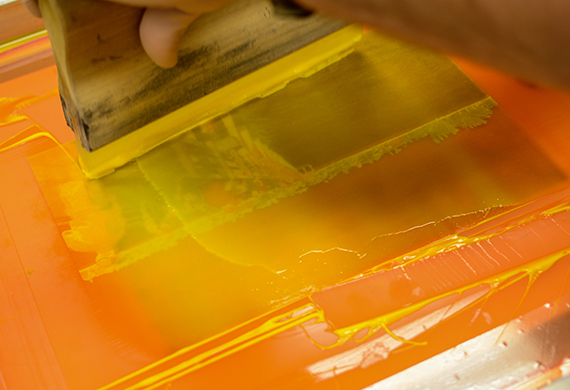
Printing types like screen printing can be used by modern creators

Screen printing is the transferring of a stenciled design onto a flat surface using a mesh screen, ink, and a squeegee. Fabric and paper are the preferred screen-printing surfaces. With specialized ink, it's also to print on wood, metal, plastic, and glass substrates.

Pros: Screen printing produces a higher quality and more durable output than digital prints. This method can be used on a variety of different print materials.

Cons: This process has a much higher setup cost than digital printing and takes more time. It also has a slower turnaround time than other print methods, and small runs aren't ideal.

3. Offset Printing

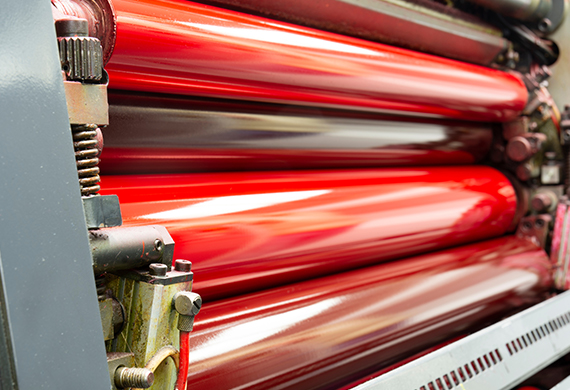
Printing types like offset can be used by modern creators

Offset printing is a common printing method in which inked images are transferred from a plate to a rubber blanket and then to the selected printing surface.

Pros: High definition and quality for any project. With offset printing, you can expect a high-quality printed image every time, lower costs, and a fast turnaround time. You can use this process to print on most surfaces or shapes efficiently. Printing plates save time and money.

Cons: For low-quantity print jobs, offset printing can be costly and time-consuming. It takes a long time to create a plate and set up an offset printer. If you only need a few copies, the time spent on the initial setup will make offset printing a more expensive method than digital printing.

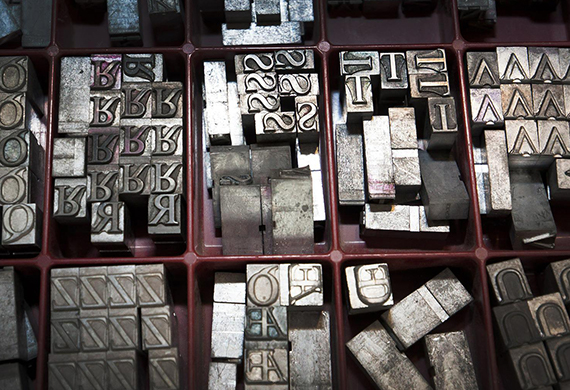
4. Letterpress Printing

Printing types like letterpress can be used by modern creators

Letterpress printing is a form of relief printing. Using a printing press allows multiple copies to be produced by repeated direct impressions of an inked, raised surface against sheets or a continuous roll.

Pros: The process is quite simple, and after an elevated first investment, it is not necessary to make any more outlandish expenses. It is possible to personalize prints and obtain them with a much more marked and different relief than with other printing methods.

Cons: This is a slower process where the application of color is limited, printing costs can be considerably more than other printing methods, and this method is dependent on the operator’s expertise.

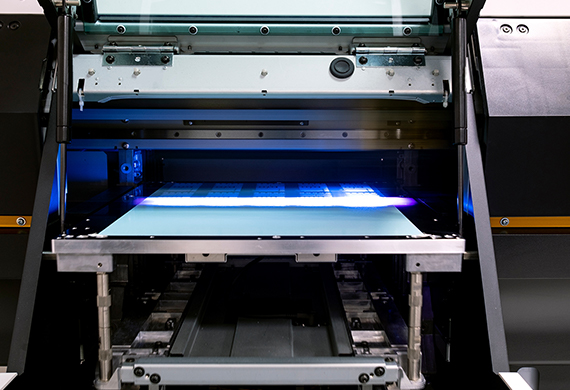
5. LED UV Printing

Printing types like led uv can be used by modern creators

Using UV printing, it is possible to print unique designs, images, text, and textures on a range of materials or products. UV inks are exposed to the UV-LED lights built into the printer, which almost instantly cure the ink, turning it from a liquid to a solid.

Pros: Quick drying. Since the ink dries quickly (almost immediately) on the substrate, the chemical interaction with the substrate is significantly reduced, scratch-resistant, faster production, and comes out to lower cost.

Cons: UV inks won't dry without being cured, spills are incredibly difficult to clean up, initial startup costs are higher, and operators need to avoid skin contact.

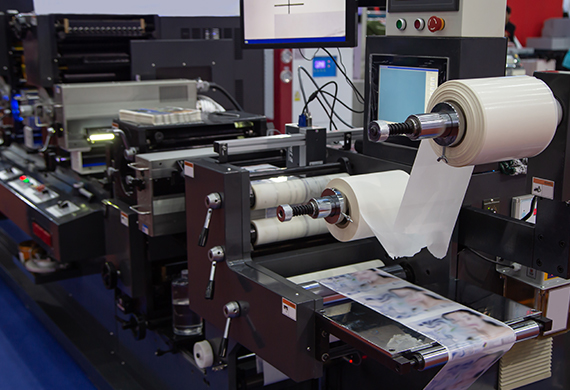
6. Flexography Printing

Printing types like flexography can be used by modern creators

Flexography is a printing process utilizing a flexible relief plate. It is like a modern version of the letterpress that can be used for printing on nearly any substrate, including plastic, metallic films, cellophane, and paper.

Pros: Besides supporting multiple colors, it can be used with either water-based or oil-based inks. Currently, water-based inks have gained popularity due to their non-toxicity.

Cons: Flexography is not an ideal printing solution for small runs. Although the process is highly automated, setup can be very time-consuming.

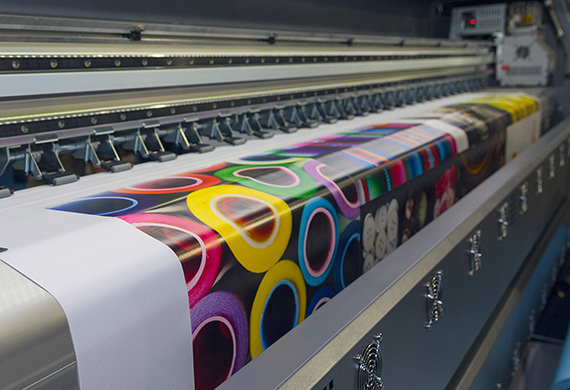
7. Digital Printing

Printing types like digital printing can be used by modern creators

Digital printing prints digital-based images directly onto a variety of substrates. There is no need for a printing plate, unlike offset printing.

Pros: This low-cost, simple printing method allows multiple design possibilities with full color and gradation print (without the limitation of colors).

Cons: The range of printable fabrics is somewhat restricted when compared to screen printing, and due to fixed pricing, bulk print jobs don’t offer reduced costs.

Types of printing

In this article, you discovered seven types of printing to help you achieve superior artistic design and its efficient application to the substrate of your choice.

Knowing which printing types are available to you can increase your potential to create bigger, better, and more evolving concepts as an artist or designer.

Not learning the different types of printing at your disposal may leave your project inferior or cause you to use a more expensive process that's not necessary.

Sources:
web.tech.uh.edu/digitalmedia/materials/3350/Flexography.html
printcopymail.umich.edu/copysvcs/digitalprinting.htm
scholarworks.lib.csusb.edu/cgi/viewcontent.cgi?article=1032&context=cap-curr
print.iastate.edu/productsservices/offset/
quod.lib.umich.edu/d/did/did2222.0001.562/--letterpress-printing?rgn=main;view=fulltext
news.clemson.edu/from-intelligent-packaging-materials-to-flexographic-uv-printing-clemson-university-unpacks-sustainable-packaging/
makingcenter.parsons.edu/wp-content/uploads/2016/09/DyeSub_2021.pdf

Clash Graphics Print Shop Atlanta Flyer Printing

2233 Peachtree Rd NE Ste 202 Atlanta, GA 30309
(678) 235-3464

To view the original version on Clash Graphics, visit: https://www.clashgraphics.com/printing-tips/7-types-of-printing/

Tuesday, April 19, 2022

What is Sublimation Printing

Avoid being forced to use old printing styles to try and accomplish your marketing and advertising needs. Knowing what sublimation printing is and how it works will help you produce more attractive and marketable products.

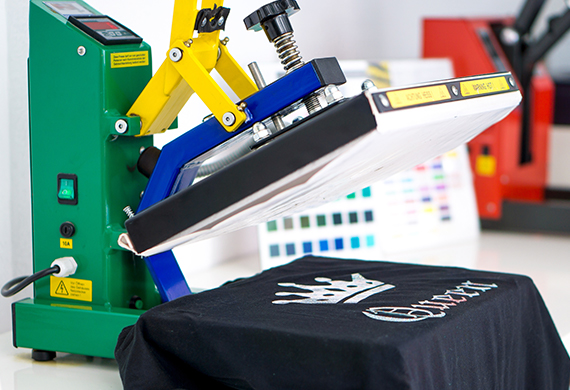
Sublimation printing a tshirt

clashgraphics.com gathered information about sublimation printing, how the process works, and answered some frequently asked questions.

Sublimation Printing Definition

Sublimation (dye sublimation) printing is a process that first prints text or images onto special transfer paper, then transfers that from the paper to another material (typically polyester or a polyester mix). The ink is then heated until it disintegrates (sublimates) into the fabric.

How Does Sublimation Printing Work

Sublimation printing uses heat and pressure to bring ink and fabric together as one.

First, a design or text is printed onto special transfer paper. These specialized inks turn into gas when brought under heat (sublimation), then combine with the fabric, permanently printing its content onto the fabric. The results are permanent and much less prone to fading, as the ink is embedded in the fabric or substrate rather than resting on it like a standard print.

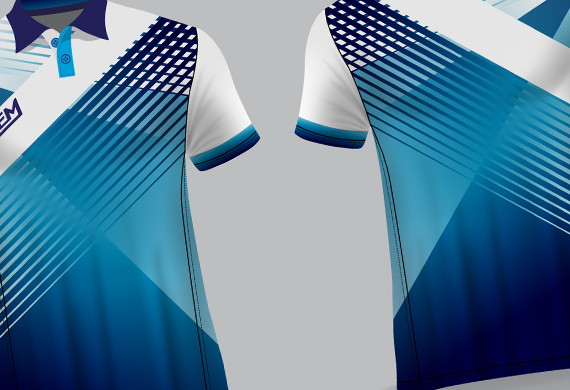
Sublimation printing is ideal for sportswear

This printing process is quite similar to getting a tattoo, but instead of skin, it’s for a chosen product. Heat opens the substrate’s pores, then with applied pressure, the ink cools and returns to a solid form.

The result is a permanent, full-color image that won’t crack, peel, fade, or wash away from the substrate. This process sees the ink go from a solid to a gas without turning into liquid. The conversion is initiated by heat, then controlled by pressure.

Pros of Sublimation Printing

The most exciting benefit of sublimation printing is the absolute freedom you have with your designs, which is not always the case with other printing methods.

You can go as design crazy as you like. You can print an entire t-shirt that looks like a stapler? Or a cow jumping over the moon with a galaxy background? You may choose to keep it classy with an outline or photo of a famous city skyline or landscape. The possibilities are truly limitless.

Design longevity is another pro, with a design that won’t crack, peel or fade. Even after being washed in the washing machine multiple times, your garment will likely fall to pieces before the printed design fades.

Sublimation printing is most suitable for smaller orders, seam-to-seam designs, and garments with a large number of design variations and applications.

Cons of Sublimation Printing

Sublimation printing cons are seen mostly with the selection of fabric materials. Sublimation printing is only suitable for garments that include polyester (100% polyester or a polyester blend). Although sublimation can be applied to other materials like cotton, the image will not be permanent.

If you are aiming for a vintage or distressed look, choosing a fabric or garment with a lower percentage of polyester content would certainly give you that finish.

Another potential challenge is white creasing. Sublimation works by printing a design into white fabric, and if there are spaces in the garment that are unreached by the sublimed design, they’ll remain white. This can occur from accidental folding or moisture accumulated on the transfer paper.

Frequently Asked Questions

Question: Is Sublimation Better Than Screen Printing?

Answer: If you have extra money to spend and plan on creating shirts with photo-realistic designs, or only plan on small printing runs, sublimation is your best option. However, if you are planning large runs or are trying to start doing garment customization on a restricted budget, screen printing may be your preferred option. Read more about sublimation and comparisons of print methods at 'Benefits of Screen Printing vs. Sublimation and Offset vs. Digital Printing'.

Question: What Items Can I Sublimate to?
Answer: Sublimation printing possibilities are practically endless. Consider the following:

Sublimation printing can be applied to almost any object including coffee mugs

  • coffee mugs
  • travel cups
  • earrings
  • wallets
  • wine totes
  • purses
  • canteens
  • business cards
  • hats
  • wine tumblers
  • blankets
  • pillowcases
  • sheets
  • bags
  • shirts
  • socks
  • towels
  • dog collars
  • flags
  • bracelets
  • ornaments
  • keychains
  • phone cases
  • puzzles
  • totes
  • coasters

These items can be printed for use around your household or developed and produced in larger quantities and marketed to the public.

Question: Can you use a regular printer for sublimation?
Answer: Sometimes. Printers utilizing a Micro Piezo printing head can be used for sublimation printing. Before this transition can occur, the system must be completely flushed. The color and chemical makeup of the two ink types are not the same.

Question: Which is better, heat transfer or sublimation?
Answer: If your business or hobby focuses on white and light-colored polyester apparel, sublimation printing is a great option. Your prints will have the greatest durability and washability. However, if you want the flexibility to print on any color garment or material type, heat transfer will be a better option.

Question: What are other examples of sublimation?
Answer: Sublimation is when a solid substance bypasses its liquid form and goes directly to its gaseous state. Some examples include:

  • Dry Ice
  • Mothballs
  • Iodine at 100°C

Sublimation occurs all around us all the time. While this technology is relatively new in the printing industry, it is a common and ancient occurrence in nature.

Sublimation Printing

In this article, you discovered information about sublimation printing, how it works, some of its pros and cons, and answers to several frequently asked questions.

Sublimation printing will help you design, craft, and print more eclectic and desirable products that won’t fade, peel, or wash away.

Not using sublimation printing can severely limit the quality of your final products and cost you revenue from an unforgiving client base.

Sources:
makingcenter.parsons.edu/wp-content/uploads/2016/09/DyeSub_2021.pdf
chem.ucla.edu/~harding/IGOC/S/sublimation.html
citeseerx.ist.psu.edu/viewdoc/download?doi=10.1.1.378.2831&rep=rep1&type=pdf

Clash Graphics Print Shop Atlanta Flyer Printing

2233 Peachtree Rd NE Ste 202 Atlanta, GA 30309
(678) 235-3464

To view the original version on Clash Graphics, visit: https://www.clashgraphics.com/printing-tips/what-is-sublimation-printing/

Tuesday, March 15, 2022

How To Increase Business Revenue

Prevent shrinking revenue from forcing you to reduce staff, cut benefits, or close locations. Knowing how to increase your business’s revenue will help you create a better work environment while growing your business.

Ways to increase business revenue include understanding your financial structure

clashgraphics.com gathered the following information about innovative ideas and tips on how to increase your business’s revenue.

Ways To Increase Revenue

Here are 15 strategies for your business to substantially increase sales and revenue:

1. Use Every Door Direct Mail (EDDM®)

Every Door Direct Mail® is targeted bulk mailing, offered by the United States Postal Service, helping your marketing strategy reach potential customers without maintaining a mailing list or even knowing their actual address. Just choose the mailing routes you determine to be high priorities (by neighborhood, city, or ZIP code), and your mailers will be delivered to each home on those routes.

2. Use Door Hanger Advertising

Like direct mail marketing, door hangers present your company and its product to a targeted consumer. Where door hangers excel is that they are not mixed in and lost in a pile of mail but have to be physically removed from a door handle. This act alone provides an extra couple of seconds for you to get the individualized attention of your potential customer.

3. Increase Customer Service Quality

As consumers, we tend to readily give our long-term patronage to businesses that treat us with respect and make us feel like the most crucial part of their business. This is principally achieved through superior quality customer service.

4. Redesign Your Business Cards

Knowing what information should go on a business card, what should be omitted, and how to use the card’s negative space will give you a higher probability of creating a unique and memorable business card.

5. Use Guerilla Marketing Tactics

This marketing strategy drives publicity by employing unorthodox methods designed to conjure the public’s wonder, surprise, or shock. Guerilla marketing presents businesses with a unique opportunity to increase public awareness of its brand, capture new customers, and entice existing customers to become repeat customers.

6. Review Your Online Presence

Optimize your website to emphasize sales versus clicks by determining which search terms (keywords) and website designs are bringing in sales. Consider how you can optimize your site or rewrite your online advertising to maximize sales and increase revenue.

7. Develop Special Incentives

Ways to increase business revenue include promoting holiday sales and discounts

If you have consistent communication with your customer base, you can use any special occasion to build on their loyalty by offering holiday specials, birthday rewards, and discounts or registries for landmark occasions like weddings or births.

8. Lower or Eliminate Shipping and Delivery Charges

Your customers might pay more for a product if its shipping and handling are free. For online sales, consider ways to build shipping and handling costs into the item’s overall cost instead of including two line items in the price.

9. Expand Payment Methods

Increase sales by offering more payment methods that your customers may find more convenient. Set up whichever infrastructure is necessary to accept whatever payment method you don't currently possess, whether it's credit cards, digital currency, a cash exchange app, etc.

10. Add Relevant Products to Your Line

Another way to increase sales per customer is to offer products that your customer needs. You should consider products that a customer would buy to use or pair with your current product or service your customers might require.

11. Expand Your Reach

You can grow physically by opening a new location. Expand the geographic area of your customers by increasing the distance you can deliver your products or services.

13. Offer Product Discounts

Properly marketed discounts create an incentive for your consumers to start buying. Such discounts can be on limited products like “quantity discounts” offered on two or more products, seasonal discounts, or discounts on all of your products in a store-wide or online sale.

13. Value Your Repeat Customers

Instead of spending vast resources trying to secure new customers, focus on upselling your current customers. This approach is more effective and cost-efficient because your existing customers are already familiar with your products and services.

14. Reevaluate Your Pricing Strategy

Price is the most important determining factor when purchasing a product or service. An adjustment to these prices should reflect your market situation and your company’s revenue goals.

15. Determine Your Company’s Revenue Goals

Ways to increase business revenue include making a plan

Start with a clear marketing strategy aligned with your revenue goals. You should identify sales and revenue milestones for your company and develop a strategy to get there.

Increased Business Revenue

In this article, you discovered expert tips and ideas to help you significantly increase your business’s revenue.

By continually innovating and keeping your business “fresh,” your existing customers are more likely to become repeat customers as you attract new ones, increasing sales and revenue.

Ignoring your business’s appearance and messaging, you risk rapidly losing customers and revenue, leaving you on a path without reward, income, and inevitably losing your business.

Sources:
patriotfcu.org/blog/ways-to-build-more-revenue-in-a-business/
learning.skysthelimit.org/operations/tips-to-increase-revenue

Clash Graphics Print Shop Atlanta Flyer Printing

2233 Peachtree Rd NE Ste 202 Atlanta, GA 30309
(678) 235-3464

To view the original version on Clash Graphics, visit: https://www.clashgraphics.com/printing-tips/how-to-increase-business-revenue/

Tuesday, February 15, 2022

Product Manager vs. Product Marketing Manager

Avoid confusing the roles of product managers and product marketing managers. Understanding how these roles differ and who is responsible for what dramatically enhances an organization’s ability to successfully bring its best products to market.

A product manager is ultimately responsible for the success or failure of a product

clashgraphics.com gathered the following information about the differences between a product manager and a product marketing manager, what they do, and how they interact.

Product and Product Marketing Managers

In a well-structured organization, product managers and product marketing managers collaborate closely. However, things go horribly wrong when the two managers and their teams get out of sync and are derailed by inconsistent messaging, botched launch dates, and confusion about the product’s function and its real value to potential customers.

Success, however, can be achieved by working together and understanding how these two roles differ:

What Is a Product Manager?

A product manager holds the ultimate and final responsibility for a product’s success or failure. A product manager’s role often includes;

  • Owning and guiding the product’s strategy
  • Curating the product’s roadmap
  • Conveying that roadmap to the product development team to guide them as they build the product according to plan.

What Is a Product Marketing Manager?

A product marketing manager’s primary responsibility is communicating a product’s specific or overall value to its market. A product marketing manager’s responsibilities typically involve:

  • Educating a company’s sales force on the value of the product and how to sell it
  • Creating marketing materials and strategies that clearly convey product features
  • Developing the marketing tools and campaigns to generate new interest and consumers.

A product marketing manager is responsible for conveying the main selling points to the companys customers

Note: If your competitor has a remarkably similar product to yours, it’s your product manager that develops a desired trait or feature and your product marketing manager that creates the storytelling and differentiating value your customers seek.

Product Management vs. Product Marketing Management

A product manager could be considered the voice of a product within the company(often asking: Does this product solve our customer’s problem?), and a Product Marketing Manager would be considered the product’s voice to the world outside the company (often asking: How can we communicate to customers that it solves their problem?).

To further understand these differences, consider the following:

Strategy


The product manager establishes the company’s vision for the product and defines the goals, milestones, initiatives, and targets that will help achieve that vision.

The product marketing manager uses the vision and strategy to develop a “go-to-market” strategy. This strategy details the work that needs to be done to launch a product or expand into a new market.

Roadmap

The product manager develops the product’s roadmap, a visual representation of the direction, plan, milestones, and dates for executing the work.

The product marketing manager assembles the “go-to-market” roadmap, capturing and coordinating the timing of interdepartmental activities needed to successfully release a new or improved customer experience.

Consumer

The product manager focuses on the end-user, developing an understanding of what people want to achieve by acquiring and using the product. This requires collecting feedback from customers about their experiences and suggestions.

The product marketing manager is focused on the consumer’s spending/buying characteristics, gaining a deeper understanding of what people need to know about the product and how it solves their problem to finally make a purchase.

Team Efforts

The product manager is an advocate for the user and the final product. This requires a combination of strategic and tactical effort across engineering, marketing, sales, and support teams.

The product marketing manager ensures that all teams know how to best represent the benefits of the product to the customer. This can involve collaborating with marketing to better define messaging, providing advanced training to sales and support teams, and aligning the website to follow the product’s “go-to-market.”

Note: Both managers want to please the customers and grow the business. And through Frequent communication, regular meetings, and planning sessions, departments can stay in sync to achieve both objectives.

Product and Product Marketing Department Collaboration

In this article, you discovered information about the often confused roles of product managers and product marketing managers and how they perform different tasks to mutually ensure a product’s success.

Knowing the differences between a project manager’s role and that of a project marketing manager will help you address product issues with the correct department.

Your failure to recognize how the duties of your project manager differ from your project marketing manager can lead to miscommunications and failure to meet milestones and product launch dates.

Sources:

blogs.haas.berkeley.edu/the-berkeley-mba/product-management-vs.-product-marketing
wgu.edu/blog/understanding-product-manager-role2003.html
business.vanderbilt.edu/news/2019/10/25/what-is-product-management-top-5-skills-for-success/

Clash Graphics Print Shop Atlanta Flyer Printing

2233 Peachtree Rd NE Ste 202 Atlanta, GA 30309
(678) 235-3464

To view the original version on Clash Graphics, visit: https://www.clashgraphics.com/printing-tips/product-manager-vs-product-marketing-manager/