Showing posts with label Flyer Printing Atlanta. Show all posts

Friday, April 14, 2023

Gang Run Printing - Definition, Advantages, and Disadvantages

Don't understand gang run printing, and need help determining a more economical way to get your printing needs fulfilled? Learning the practicality, advantages, and disadvantages of gang run printing will enable you to get the products you need quickly and inexpensively.
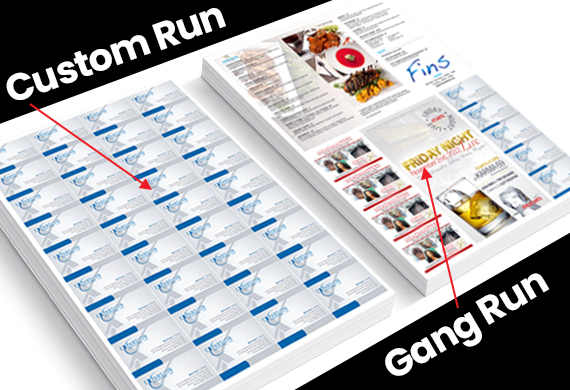
Gang run printing produces consistent high quality prints

clashgraphics.com gathered information about the definition, advantages, and disadvantages of gang run printing and how it makes economic sense for your project.

What is Gang Run Printing?

Gang run printing (combination printing) is a process in which multiple print jobs are combined on a large single sheet of paper. This method aims to reduce printing costs by sharing the setup costs across multiple jobs. The process involves using a large sheet of paper, placing numerous designs, then after printing, cutting each job down into its correct size.

Gang run printing is used for various printed products, including business cards, flyers, brochures, postcards, etc.

Benefits and Limits of this Businesses Printing Practice

While the concept of gang run printing is a brilliant way to economize paper, time, setup efforts, and printing costs, it comes with its limitations. When you require specific paper weight, ink color, etc., the gang run process may not serve your needs. There are some trade-offs, so if you are considering gang run printing in Atlanta, understand the following advantages and disadvantages:

Advantages of Gang Run Printing

Among the printing processes available, gang run printing may be the most efficient and economical option. Gang run printing advantages include:

Cost-Effective - One of the most significant advantages of gang run printing is its cost-effectiveness. Since setup costs are shared among multiple print jobs, the overall cost of paper, ink, and printing is significantly reduced. This makes gang run printing an ideal option for customers requiring large print quantities without exceeding their marketing or advertising budget.

Fast Turnaround Time - With gang run printing jobs, the turnaround time is significantly quicker as multiple print jobs are combined in a single print run. This means the prints are produced faster, cut, and delivered to the customer in a much shorter time frame.

Note: Customers can choose the delivery time for their job. Most printing companies can offer same day printing, or more than 7 day delivery (typically, the longer the lead time, the lower the price). More lead time means greater opportunities for your printer to optimize costs by doing a gang run or optimizing delivery routes and schedules. The increased cost-efficiency gained from this technology is transferred to the customers as discounted pricing.

Flexibility - Gang run printing offers significant flexibility for the design and layout of prints. Multiple designs can be combined or arranged on a single sheet, meaning businesses can produce multiple prints without having to order separate print runs for each design.

Quality Prints - Another advantage is its consistently high-quality prints. The process uses high-quality paper and cutting-edge printing technology, and although the cuts are not exact,  the paper and print qualty are consistent - as they are produced in one single run.
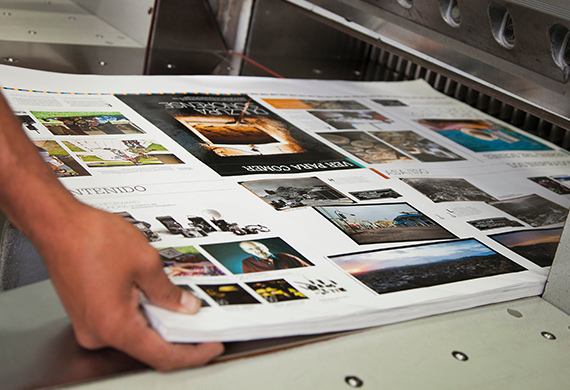
Gang run printing increases turn around time and reduces costs

Disadvantages of Gang Run Printing

While gang run printing presents powerfully compelling advantages, it is not the ideal option for every print job. Consider the following disadvantages before committing your resources to this printing process:

Limited Customization - One of the more significant disadvantages of gang run printing is its restricted customization options. Since multiple print jobs are combined on a single sheet, each print job must conform to a specific set of requirements, including:

  • Paper weight, texture, and color
  • Ink type and color
  • Printing technology

This means projects requiring highly customized printing may not find gang run printing suitable for their specific needs.

Inconsistent Color Quality - Another disadvantage of gang run printing is its potential to produce inconsistent color or tone quality. With multiple print jobs combined on a single sheet, there is a significant risk that the color quality and consistency may vary from one print to another. This is especially true when different print jobs use varying color schemes or when the applied printing technology is of a lower standard.

Note: For projects that require specific color matching, or pantone colors for example, gang run printing will not satisfy your needs.

Limited Paper Choices - Gang run printing is significantly limited for paper choices. With multiple print jobs combined on a single sheet, individual print jobs must conform to a specific paper weight, thickness, and quality. Businesses requiring particular types of paper may not find gang run printing suitable for their needs.

Uses of Gang Run Printing

In this article, you discovered what gang run printing is, its advantages, and disadvantages when you require fast, high-quality, and inexpensive print jobs.

Knowing what gang run printing is and its advantages and disadvantages will help you make informed decisions when printing your business cards, postcards, flyers, door hangers, etc.

Lacking knowledge of gang run printing may leave you paying more or not getting the product you planned or needed.

Sources:

d3.harvard.edu/platform-rctom/submission/raksul-japanese-uber-for-printing/
idealabs.byu.edu/publications/2014HThesisDFullmer.pdf

Clash Graphics Print Shop Atlanta Flyer Printing

2233 Peachtree Rd NE Ste 202 Atlanta, GA 30309
(678) 235-3464

To view the original version on Clash Graphics, visit: https://www.clashgraphics.com/printing-tips/gang-run-printing-definition-advantages-and-disadvantages/


Friday, March 17, 2023

How to Write a Book

Researching or preparing to write a book? Understanding how to organize and get your ideas on paper will help you develop and tell your story in an appealing and marketable way.

Writing a book requires plotting an idea and developing characters

clashgraphics.com gathered information and tips to create a step-by-step guide on how to write a successful book that keeps you focused and maximizes your creativity.

Step 1. Why

Define what you want to write about. It may be your own story, a personal struggle with relationships or addiction, a profound or revealing experience, a new perspective on a significant or old issue, or a story from your imagination. Whatever you choose, people adore stories, and we've been learning from them for centuries.

Before you start writing, typing, or overthinking about your book, be honest with yourself about your reasons for writing it. Consider the following:

  • Are you seeking riches and fame?
  • Is writing a necessity for advancing your career?
  • Do you dream about seeing your name printed on a book cover?
  • Do you have a great story that you want to share with the world?
  • Can you solve a problem for a portion of the population?
  • What is my book about?
  • Why is the story interesting or important?
  • Who will want to read my book?

Once you’ve defined your writing subject, it’s time to set yourself up for success.

Step 2. Set up Your Workspace

Writing a book requires working in a space without distractions

Successful writers work best with minimal distractions and easy access to materials and references they may need. Also, make sure the location you select works with your writing medium. If you want to write on a desktop or laptop, make sure you have a sturdy desk, adequate lighting, and an easily accessible power connection.

Tip: Pick a comfortable, sturdy, and supportive chair. You may be sitting for hours, and an uncomfortable chair can become a significant (and painful) distraction.

Step 3. Outline Your Story

The writing process is not fixed, but accomplished writers spend considerable time outlining their books before physically writing them. Outlines can be highly detailed chapter outlines or simple guides in which sections of the book are plotted. Regardless of your method, you must have a roadmap or guide for your writing.

Step 4. Research Your Idea

If you’re writing a nonfiction book, you must deeply research your subject matter and location to write about it effectively. Even a fictional work should be grounded in some degree of reality. For example:

  • A sci-fi adventure (set in space) will be more effective and relatable if the physics and technology draw insights and definitions from reality.
  • If you’re writing a crime story, research how police typically investigate crime scenes and protect the evidence chain of custody while seeking their perpetrator.

Tip: Interview people associated with your topic. An astronaut can give you valuable insight into what someone experiences during takeoff or weightlessness, while a police detective can help you understand the importance of preserving a crime scene.

Step 5. Establish a Writing Routine

Writing your rough draft requires consistent routines and productive writing habits. Consider the following:

  • Treat writing like a full-time job
  • Establish daily word count targets
  • Schedule writing time and put it on your calendar
  • Set alarms to help you structure start, stop, and break times

Tip: Set your writing goals based on your speed and deadlines, and avoid adjusting them after you’ve set them.

Step 6. Write Your First Draft

Writing a book requires writing a first draft

Write your first draft without worrying about editing. Focus on writing something now, and figure out if it’s a keeper or how it needs to be polished later. To finish a book, you’ll have to get used to writing fast and leaving the editing for later.

Note: Be prepared to spend as much time editing your book as you did writing it, so leave the editing part for later. Focus on getting your story written, and don’t worry about spelling or grammatical mistakes.

Tip: Whenever you experience writer’s block or feel stuck, try referring to your notes, outline, or research to get inspired again.

Step 7. Solicit Feedback

Requesting feedback on your book, starting early and from as many reliable sources as possible, is crucial. Collect their feedback and apply relevant suggestions to the chapters they’ve read and wherever else they may apply.

Tip: Avoid letting your ego keep you from absorbing good or critical feedback. Your friends and fellow writers are trying to help you, not offend you.

Step 8. Edit Your Work

Good books go through several rounds of editing and revisions. You can go through the editing process yourself or ask a qualified friend, fellow writer, or a professional editor to help. Whichever path you choose, you need an honest, ruthless perspective on your writing so you can know what needs re-tooling.

Step 9. Write the Second Draft

The second draft is an opportunity to apply more extensive revisions and edits. It’s also an opportunity to consider more significant, overarching questions that can only be answered after completing your first draft. Consider the following:

  • Does your book have a consistent tone?
  • Is there an overarching theme that needs developing and strengthening?
  • Are there weak parts of the book that can be entirely omitted?

Your second draft provides an opportunity to address more granular questions; Does the book have an appealing opening hook? An impactful conclusion?

Step 10. Publish Your Book

Writing a book requires several drafts until publishing

Now that you’ve finished your final draft, it’s time to publish. Self-publishing is easier than ever with the popularity of online marketplaces and e-readers like the Kindle. If you prefer the traditional publishing route, you can submit a literary proposal to a publishing house (ideally through a literary agent).

Once you’ve successfully published your book, sit back, relax, and start considering ideas for your next book.

Writing a Book

In this article, you discovered essential information, tips, and steps to help you stay focused and on track to successfully write and publish your book.

Knowing how to structure your ideas and workspace will help eliminate annoying distractions while maximizing your writing potential and creativity.

Your lack of structure and preparation will likely result in a lost train of thought, poor writing, unfinished work, and your failure as a writer.

Sources:
northcentralcollege.edu/news/2021/05/26/how-write-and-publish-book
students.aiu.edu/submissions/profiles/resources/onlineBook/Z3G9E6_How%20to%20write%20a%20book%20AIU.pdf
writing.ku.edu/writing-process

Clash Graphics Print Shop Atlanta Flyer Printing

2233 Peachtree Rd NE Ste 202 Atlanta, GA 30309
(678) 235-3464

To view the original version on Clash Graphics, visit: https://www.clashgraphics.com/printing-tips/how-to-write-a-book/

Thursday, February 16, 2023

7 Essential Graphic Design Tools and Programs

Need help determining which tools you will need as a graphic designer? Knowing which tools to invest your resources and time will help you produce stunning graphic work for your projects and clients.

Essential graphic design tools include software programs and personal skills

clashgraphics.com gathered information on seven essential graphic design tools to help you become a better graphic designer while producing high-quality, eye-catching graphic designs.

Basic Design Tools

Traditionally, pencils, compasses, rulers, and drawing triangles have been considered standard design tools and have been used to characterize design and designers. While these tools are still relevant in manual design work, technological advances have radically altered how today’s designers develop projects from concept to finished work. To be successful, graphic designers in today’s competitive digital market should be familiar with the following tools:

1. Adobe Photoshop

Essential graphic design tools and programs include photoshop

Photoshop is an image creation, graphic design, and photo editing software developed by Adobe. This dynamic software provides multiple built-in image editing features for pixel-based images, raster graphics, and vector graphics. Adobe Photoshop first came to market in 1988.

Photoshop can be challenging to learn and use, and (as for design software) it is not always the most intuitive or user-friendly. Additionally, Photoshop is proprietary software, which means it is not available for free but can be used during a 7-day free trial.

For more information on downloading this program and prices, visit adobe.com/products/photoshop.html

2. Adobe Illustrator

Essential graphic design tools and programs include adobe illustrator

Adobe Illustrator is among the industry-leading graphic design tools that let you design practically anything imaginable (logos, icons, graphics, and illustrations) and customize your work with professional-level precision.

Adobe Illustrator is an excellent tool to use. It is user-friendly, has a great selection of features, and is available on multiple platforms. You can start using this tool during a 7-day free trial, but like Photoshop, Illustrator is also proprietary software.

For more information on downloading this program and prices, visit adobe.com/products/illustrator.html

3. Adobe InDesign

Essential graphic design tools and programs include adobe indesign

Used by graphic designers, publishers, marketing professionals, and artists, InDesign is desktop publishing software for designing flyers, brochures, magazines, newspapers, books, and more. Finalized projects created with this software can be shared in digital and printed formats.

InDesign is an excellent, user-friendly software that is relatively easy to master. You can download and start using this design tool during a 7-day free trial, but like other Adobe products, it is proprietary software.

For more information on downloading this program and prices, visit adobe.com/products/indesign.html

4. Adobe After Effects

Essential graphic design tools and programs include adobe after effects

After Effects is acclaimed for its motion graphics tools, which designers and animators use to create 2D and 3D animations.

Adobe After Effects is a powerful and feature-rich animation and effects application widely used by professionals in the film and television industry. This professional-grade program is challenging to learn without help but is worth the effort. You can start using this dynamic tool during a 7-day free trial, but like other Adobe products, it is also proprietary software.

For more information on downloading this program and prices, visit adobe.com/products/aftereffects.html

5. Canva

Essential graphic design tools and programs include canva

Canva is a user-friendly, easily accessible design tool for your phone or tablet, which makes creating custom graphics a breeze. It provides readymade templates, as well as a free platform, and offers additional features with paid subscriptions such as Canva Pro and Canva for Enterprise.

Not only can you enhance your social media content, but you can also use Canva to design flyers, presentations, invitations, posters, brochures, and business cards. Plus, you can purchase physical products and have them printed and shipped.

For download and pricing information, visit canva.com

6. Sketch

Essential graphic design tools and programs include sketch

This software is designed to help businesses design icons and vector graphics, seamlessly collaborate with team members, and modify a design’s topography or fonts through a unified platform. The application allows employees to automate workflows, give and receive feedback on designs, and share prototype links with stakeholders.

Sketch is intuitive and easy to use, and the software’s plugins make work effortless and seamless. It has multiple learning resources online, shortening the learning process. If your work is collaborative, the only drawback is that team members must use IOS to interact.

You can download Sketch for free as a student or educator. With access to the design platform, you get a set of powerful tools, including a Mac app, web app, and iPhone app (for design, collaboration, and prototyping). You also have the option to switch to a subscription.

For download and pricing information, visit sketch.com

7. Figma

Essential graphic design tools and programs include figma

Figma is a powerful online design tool that helps you create anything (websites, applications, logos, and more). Learning to utilize Figma allows you to work with and develop User Interface Design and User Experience Design.

This software design tool is easy for anyone to use (on any platform) and allows teams to share their design work and libraries seamlessly. Figma is an excellent free tool for designers but it is not free forever. There is a free trial period; after it expires, you will need to pay for a subscription.

For more information on downloading this versatile program and its prices, visit figma.com/graphic-design-tool/

BONUS: Skills All Graphic Designers Need

Graphic designers unify art and technology, so they need knowledge of design principles and software proficiency. Because they often work directly with customers and colleagues on multiple projects, they also need essential “soft skills” like communication and quick problem-solving. Consider the following skills to be crucial for a successful graphic designer:

Creativity - Graphic designers are frequently tasked with developing new and unique ideas.

Communication - You must understand that graphic design is visual communication, so communication skills are fundamental to a graphic designer’s work.

Strategy - Graphic designers must be strategic thinkers. They must consider how design elements work together and how to best convey meaning while sticking to design parameters.

Problem-Solving - Think of a design brief as a problem - A client needs to communicate a message, and the proper graphic design work will solve their problem.

Time Management - Graphic designers often work on multiple projects simultaneously and may be confronted with different deadlines from several clients.

Essential graphic design skills include time management

Note: Drawing skills are not necessarily required for graphic design jobs. Most often, graphic designers use design software, so efficiency in the software is more crucial than improving one’s drawing skills.

Graphic Design Tools

In this article, you discovered information about several powerful graphic design tools to help you excel as a graphic designer, producing stunning, high-quality work.

Your proficiency in graphic design software tools will help you create better designs, communicate seamlessly with coworkers, and exchange immediate design feedback with your team.

Failing to become proficient with graphic design software and other programs will prohibit growth opportunities in your career as a graphic designer.

Sources:
artinstitutes.edu/about/blog/5-graphic-design-software-options-for-beginners
online.maryville.edu/blog/must-have-tools-for-graphic-designers/
sopa.tulane.edu/blog/6-software-master-while-earning-graphic-design-degree

Clash Graphics Print Shop Atlanta Flyer Printing

2233 Peachtree Rd NE Ste 202 Atlanta, GA 30309
(678) 235-3464

To view the original version on Clash Graphics, visit: https://www.clashgraphics.com/printing-tips/7-essential-graphic-design-tools-and-programs/

Wednesday, January 11, 2023

Planning a Family Reunion

Need help organizing an inclusive, diverse, and fun family reunion? Knowing how to plan your family reunion and events in advance will help you keep everyone on the same page, well-informed, and more inclined to have a good time at the reunion.

Planning a family reunion can include taking portraits

clashgraphics.com gathered essential planning and organizational information to help you plan a successful family reunion with abundant photo opportunities, games, events, traditional family recipes, and refreshments for all ages.

Family Reunion Planning

As you start your family reunion planning process, it is crucial to remember how these reunions can:

  • Reinforce common family bonds
  • Educate and connect the next generation to their family’s past
  • Give continuation to stories about the family history
  • Keep recipes passed down over generations alive
  • Regenerate brother and sisterhoods
  • Reinvigorate appreciation of life's unique but parallel journeys

Family reunions help young adults and children form solid identities about who they are and where they come from. Family reunions typically last only a day or two. So, by the time you have refreshed your family bonds, it's time to say goodbye. Consider the following when planning your family’s reunion:

1 - Assemble a Reunion Planning Committee

Gather a planning committee ranging in age and income; this will ensure there are activities that everyone can enjoy and afford. You want a diverse committee representing the youth, families with children, and seniors. People may feel hurt and neglected when they are left out. An added benefit to including younger generations in the reunion’s planning will prepare them to eventually take it over in the future. Committee members should consist of:

Committee Chairperson - Coordinates all reunion-related subjects and follows up with other committee members to ensure delegated tasks are completed on time.

Finance Director - Handles the reunion checking and savings accounts, maintains a detailed budget, and makes approved purchases.

Correspondence Director - Communicates with family members (cards, notes, emails, group texts, maps, menus, etc.).

Lodging Liaison - Ascertains accommodations for traveling family members and negotiates group rates.

Food Director - Communicates with the caterer and handles the potluck. This person should be knowledgeable of food allergies and which family members have food restrictions or allergies.

Entertainment Director - Organizes activities and events for all age groups (inflatable jumpers, sack races, scavenger hunts, talent shows, trivia games, etc.).

RSVP Director - Confirms and tracks who’s attending.

Welcome Committee - Prepares and distributes name tags, agendas, wayfinding, and signage. These individuals operate the registration booth, distribute shirts and keepsakes, help family members mingle, and serve as the first faces of the reunion.

Tip: Create and distribute a bio sheet with a photo for each committee member, so everyone knows who did what to make the reunion happen.

2 - Collect Input from Family Members

The Correspondence Director should distribute questionnaires (6 to 9 months in advance) to family members to collect their input on when, where, and what they want to be included in the reunion’s activities.

Tip: Email, social media, and texting apps can help people stay in touch between reunions and build excitement for upcoming events. Payment apps like PayPal or Venmo make it significantly easier to handle finances, including allowing people to contribute over time. Use Zoom or other streaming apps during the reunion’s events. This will help you include those who can’t attend in person.

3 - Determine a Reunion Planning Center

Planning a family reunion can include assembling a committee

A reunion generates paperwork: Even with subcommittees, the reunion committee chairperson needs copies of crucial information, like vendor contracts, updated registration data, and lodging details.

The chairperson might use a home office and keep everything in a simple file folder or separate folders for each committee (in a file box).

4 - Reunion Finances

Like it or not, your reunion will cost money. You’ll need to establish a budget and ask your family to contribute. You will need money for mailings, producing signage, printing shirts, and keepsakes, and venue and catering deposits.

You could craft a letter to each family member describing the upcoming reunion and asking for a financial contribution. Let them know how their money will be used.

Tip: Give your family members monthly payment options for more-expensive activities like cruises or destination reunions. You can also ask individuals to donate specific services like printing or graphic design work as their contribution.

5 - Develop a Theme

Themes generate enthusiasm for your reunion and provide a guide for food, attire, decorations, memorabilia, and activities. Some popular themes include:

  • The Roaring 20s
  • Country Western
  • Decade-based 50s, 60s, 70s, 80s
  • Anniversary (the 20th annual reunion, 50th wedding anniversary, etc.)
  • Heritage (Hawaiian, Irish, Italian, Mexican, etc.)

Tip: Your reunion’s theme should be incorporated in all communications, banners, signs, t-shirts, etc.

6 - Design A Reunion Theme, Logo, and T-Shirts

You can brand your reunion by designing (or commissioning a design) that represents your family, the reunion’s theme, and any significant happenings that may have influenced or shaped your family’s course.

Tip: Consult the graphic designer at the print shop you select to communicate your theme, colors, dates and location of the reunion. to print the reunion’s materials 

7 - Plan Activities for All Ages

Fun activities are essential for getting relatives reacquainted after being out of touch for years or decades. Consider including some of the following:

Show-and-Tell - Ask everyone to bring a family heirloom, photo, or other interesting memorabilia and share the story behind it.

Family Recipe Bake-Off - Publish handed-down recipes and bake-off rules in your reunion’s newsletter. At the event, let the most senior generations judge whose food tastes most like the original.

Planning a family reunion can include using family recipes in cooking and baking competitions

Family Trivia - Gather entertaining information about ancestors and quiz the reunion attendees. Remember to present prizes to the winners.

Genealogy Workshop - Ask family historians to bring their historical research and compare notes, or take the group on a research trip to the library.

Camera Fun - Leave disposable cameras on tables. Everyone loves them, and you’ll have plenty of reunion photos to share afterward.

Baby Photo Guessing Game - Smile and laugh at everyone’s baby photos as you try to figure out who each photo belongs to. The activity can include laying the photos out and asking guests to pin them on the right family tree branch.

Tip: Ensure that everyone has the opportunity to participate in the games’ setup or playing, so no one feels left out.

8 - Create Reunion Souvenirs

Let family members take home reunion souvenirs; you could offer any of the filling items:

Family Directories - These should include updated addresses and contact information.

Family History Book - Let the family know that you will assemble a history book (available at the reunion) and ask for copies of documents, newspaper clippings, recipes, stories, or old pictures. Assemble a “proof” book and have it copied and bound. You can sell the books at cost and deliver them at the reunion.

Planning a family reunion can include creating a family history book

Reunion Portrait - A reunion allows you to shoot a family photo while you’re all together. Hire a professional photographer to capture and distribute the portrait after the reunion.

Family Recipe Book - Along with recipes, include photos of the original bakers and stories about their recipes.

Reunion Video - Capturing footage records family discoveries and fun moments created during the reunion. This is ideal for preserving and sharing family interviews or storytelling sessions.

Souvenirs allow family members to reminisce any time between reunions and maintain the motivation to stay in touch throughout the year.

Family Reunions

In this article, you discovered crucial information to help you organize and plan a successful and inclusive family reunion.

Your organizational and planning skills will help you gather your family and offer them a learning opportunity while having fun and making life-long memories.

Not knowing how to organize and plan your family reunion can leave family members left out, cause confusion, affect the overall turnout, and leave family unwilling to participate in future reunions.

Sources:
wisbar.org/NewsPublications/WisconsinLawyer/Pages/Article.aspx?Volume=91&Issue=9&ArticleID=26631
aarp.org/home-family/friends-family/info-2022/reunion-planner.html

Clash Graphics Print Shop Atlanta Flyer Printing

2233 Peachtree Rd NE Ste 202 Atlanta, GA 30309
(678) 235-3464

To view the original version on Clash Graphics, visit: https://www.clashgraphics.com/printing-tips/planning-a-family-reunion/

Tuesday, December 13, 2022

Powerful Logo Shapes for Your Business

Keep your logo and its design from misrepresenting your business and its values. Understanding how logo shapes impact messaging will help you craft a logo that meaningfully represents your business and its direction.

Powerful logos use eye catching shapes

clashgraphics.com gathered the following information, definition, and tips about powerful logo shapes that can accurately represent your business to its audience and customers.

Logo Shapes

A logo shape is what makes your business and products recognizable over time. You may not have enough time to read the message on a billboard while speeding down the highway, but you will undoubtedly remember the logo in the ad. A logo’s shape and color can remind consumers of the brand, their experiences with it, and how they feel about it.

While brand recognition is one thing, psychology is also at work. A shape invokes a feeling, and successful brands will manipulate their logo design to attract these feelings. Consider the following shapes and what they can represent:

Rectangular Logos

Powerful logo shapes include rectangles

With a balanced nature and defined sides, rectangular logos represent stability, balance, reliability, professionalism, boldness, and confidence. Rectangular logos could be vertical, horizontal, squares, diagonally placed or represented in a 3D depiction.

Intention: Squares and rectangles convey feelings of stability and balance. Subsequently, psychological associations of reliability and stability occur.

Triangular Logos

Powerful logo shapes include triangles

Triangular logos represent a definitive target. They may represent ambition, focus, science, knowledge, wisdom, excellence, and performance.

A triangle could represent a graph, the way Adidas uses a design that speaks of performance. Or a three-pointed star like Mercedes Benz has owned and used for generations.

Like other logos, a triangle can be integrated with different shapes. The YouTube logo, for example, puts a play button on a rectangle field of red.

Intention: Triangles are a flexible but less common logo shape. Triangles represent stability and ingenuity, as well as the arts. The harsh lines and geometry of triangles can result in very playful logos.

Horizontal Lines in Logos

Logos that inspire secure, well-structured, powerfully grounded, stable, calm, and assured feelings will likely contain horizontal lines.

An example of a horizontally lined logo design is the AT&T logo. As a telecom provider, the lines seem to wrap around the globe, assuring consumers that they will be connected in any corner of the world.

Intention: Horizontal lines also represent dynamism and movement. Delivery companies often add horizontal lines to their logos to convey motion and speed.

Powerful logo shapes include horizontal and vertical lines

Vertical Lines in Logos

Vertical lines can be used to symbolize progress, performance, measurability, achievement, strength, and possibilities. Successful brands use vertical lines in their logos to prove a point.

Intention: Vertical lines strongly suggest stability, strength, and balance. The precision of vertical lines also conveys professionalism. They are often used in corporate logos to promote a sense of professional integrity, reliability, and efficiency.

Organic (Natural) Logos

Powerful logo shapes include organic images

Organic or natural logos are a representation of creativity. They convey a message without conforming to shapes and geometric design. Natural logos are often inspired by everyday geometry around us. These logo designs are governed by the principles of naturally occurring elements (plants, animals, faces, etc.). The Ferrari logo, for instance, represents the speed of the racehorse on a field of yellow (representing the city of Modena).

Intention: Nature-inspired logos have the power to connect instantly with consumers. These logos invoke feelings of protection, trust, and safety. A company may also use a nature-inspired logo to convey an eco-friendly message.

Circular Logos

Powerful logo shapes include circles

Absent of sharp edges, circles are the most wholesome and comforting shapes in the world. Ellipses, ovals, or perfectly round, circular shapes make excellent background components for your brand. They symbolize continuity, safety, reliability, completeness, and perfection.

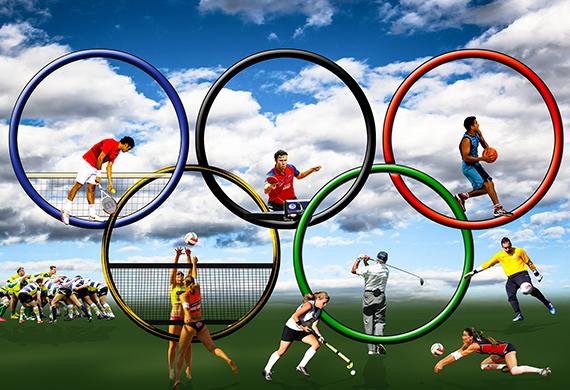
Brands often combine multiple circles to symbolize different things. The Olympics logo stands for different groups of individuals uniting in the spirit of competitive sportsmanship.

Intention: Circles are universal symbols of wholeness, perfection, completeness, and cyclic motion. They also represent community, friendship, and inclusivity. Circular logos are one of the most popular logo shapes.

Abstract Logos

Powerful logo shapes include abstract images

These logo shapes allow creators to be unique while creating their own shapes and forms.

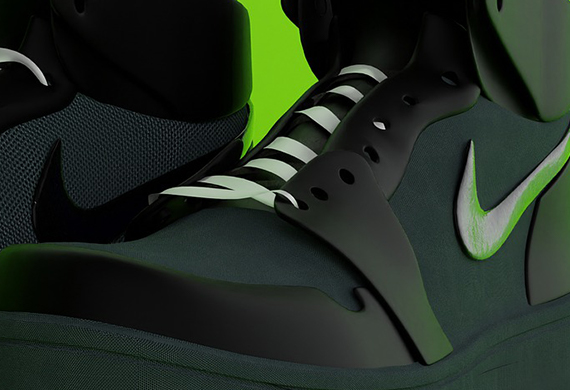
Among the most recognizable logos in the world is the Nike Swoosh. Today, the logo is so well-known that the brand can place the logo on a product and in marketing campaigns without using any writing.

While Nike’s logo may look like a simple check mark, much thought has gone into it, resulting in its present, minimal rendition.

Intention: An abstract logo is a symbol or image that conceptually represents your business. More importantly, abstract logos can infuse layers of meaning into an image, making yours distinct and memorable.

Brand Recognition

Larger companies have vast budgets and resources to commit to designing long-term brand equity. In comparison, smaller companies won’t always have that luxury. A small local company’s logo’s visual appearance (shape, color, design, etc.) may be what attracts its customers. In such cases, the initial reaction to a logo may have long-lasting impacts on a business’s success and brand.

Logo Design

In this article, you saw logo examples, discovered essential information and tips on what different logo shapes represent and how they convey messages.

Using the right design in your company’s logo can help your customers recognize your business at a glance, trust your products, and invest their loyalty in your brand.

Ignoring the need to use representative shapes in your logo can lead to severe misunderstandings about the intentions and quality of your company and its products.

Sources:
uxplanet.org/knock-design-into-shape-psychology-of-shapes-6e43c6e59955
knowledge.insead.edu/marketing/how-your-logo-shapes-consumer-judgments
mbp9807.cad.rit.edu/interactive1/project2/myarticle.html
cis.rit.edu/htbooks/dtp/elements/shape.html

Clash Graphics Print Shop Atlanta Flyer Printing

2233 Peachtree Rd NE Ste 202 Atlanta, GA 30309
(678) 235-3464

To view the original version on Clash Graphics, visit: https://www.clashgraphics.com/printing-tips/powerful-logo-shapes-for-your-business/

Wednesday, November 9, 2022

How to Plan a Charity Event

Avoid getting fewer donations and not knowing how to plan your charity event. Knowing how to efficiently plan a charity event can supercharge your fundraising efforts while putting on an exciting series of events for your donors.

Planning a charity event involves establishing activities and donation goals

clashgraphics.com gathered the following essential information on planning a successful charity event from concept to execution.

Charity Event Planning

Before beginning the planning stages of a charity event, you must determine the “why.” Why are you going to hold a charity event? Who or what organization will be its beneficiary? And, most crucial, How will the event be funded?

1. Charity Event Goals

Charity events may seem to be centered around fundraising, and to a certain extent, they are. However, a charity event can be carefully developed to cultivate any of the following:

  • Acquiring new donors
  • Cultivating repeat donors
  • Promoting your cause or gaining publicity
  • Recruiting new supporters, members, or volunteers
  • Increasing your cause’s awareness
  • Developing local and regional connections
  • Growing your email list
  • Engaging prospective major or corporate donors
  • Increasing social media, website, and brand awareness

Your event’s fundraising goals will play a significant role in shaping its size, content, and duration. A popular goal-setting framework is the SMART system. Consider the following:

Specific - The event’s goal should deal with a specific performance or a specific KPI. When setting your fundraising goal(s), clarify the overall context. What do you want to achieve with your fundraising? What is your final goal?

Example: The goal is to raise $50,000.

Measurable - The goal should be measurable. Without measuring progress, you won’t know if you’ve met or surpassed your fundraising goals. Not setting measurable goals can also cause your planning team to be on “different pages.”

Example: The goal is quantifiable and measurable (money raised).

Attainable - Strive to set goals that stretch you and your team, being ambitious enough to challenge you. However, those goals should not be unrealistic.

Example: The amount is more than last year but not unattainable (especially with recurring donors already committed).

Relevant - The event’s goal should be firmly connected to and supportive of the organization’s mission and vision. Before you invest any resources or assets toward achieving a fundraising goal, it’s crucial to verify that your goals are relevant to your organization’s mission and vision.

Example: The goal will provide assistance to the nonprofit’s target audience - single parents.

Time-Based - The goal should have a kickoff and a deadline. Every successful fundraising campaign has a beginning and an end. Campaigns without deadlines can become overwhelming and un-motivating for your team, volunteers, and donors alike. If a goal lacks a deadline, you can procrastinate your efforts indefinitely.

Example: The campaign begins on Thanksgiving Day and ends on Christmas Day.

2. Selecting a Theme

A theme makes your event appealing and offers a guideline for its attractions and events. This is crucial; people often believe that charity events raising awareness for a dire cause must be conducted in a serious or somber fashion. It doesn’t have to be that way; you can create a lively atmosphere with a relevant and fun theme. Consider these theme ideas:

Bowling Night - Bowling is cost-effective, family-friendly, and highly accessible. Most communities have at least one bowling alley within a reasonable distance. As an added plus, bowling is indoors, so severe weather won’t be an issue.

Casino Night - Set up various card game tables where guests can wager against Lady Luck. This type of activity helps bring in additional funds. Guests can always donate the money or prizes they win back to the organization.

Planning a charity event involves establishing activities like casino nights and donation goals

Gala - Galas aren’t for every organization but may be the best charity event for your brand if you want to host an annual, elegant event. As long as you have the budget, support from your board, and substantial interest from your audience, a gala is a winning option.

Carnival Night - This is an excellent theme if your guests are bringing their children or your organization benefits children’s causes. Attendees can purchase tokens for use at carnival game booths or special event seating.

Tip: Your event theme(s) should be fun, engaging, and inclusive of live or online audiences and multiple age groups.

3. Venue Selection

You want to find an impressionable venue, but remember that is typically the single most significant cost of the event. Consider the following:

  • Choose a venue that supports your theme. If it’s a carnival theme, for example, then there should be ample indoor and outdoor access.
  • Does the venue have enough space to accommodate your expected turnout, as well as any additional equipment, like lighting, cameras, game booths, etc.?
  • Consider venues routinely used for high-profile charity events (these will be familiar to your donors), and you can market the venue as such.

Tip: You can lower event expenses by seeking donor funding specifically for venue costs.

4. Marketing Your Event

Planning a charity event involves establishing activities donation goals and online marketing strategies

Social media is the best place to start promoting your charity event while keeping expenses under control. In the months leading up to your event, launch its website or go live with a page on your organization’s website, and in the weeks leading up to the event, create an event hashtag and use it on your posts across all platforms and encourage participants and donors to do the same.

Launch your direct mail or Every Door Direct Mail (EDDM) campaign so that initial flyers or brochures reach their destinations 7 to 10 days before the event. The second round of printed material should be sent, so it arrives 2 to 3 days before the event. This way, you have introduced the event to your prospective attendees and reminded them about it.

Launch an email campaign using your current database urging potential donors to attend your charity event in person or online.

Tip: Be sure to offer your online attendees a “one-click” way to attend your event and donate to your organization.

In the days leading up to your event, book radio ad time to promote the event and the charity. You can get this time discounted by offering sponsorship and even have the station remotely broadcast from your event.

5. Post-Event Promotion

Awareness and contributions can continue long after the event has ended. Continue using the event’s hashtag for a few more days/weeks, and encourage people to donate. You can do this while keeping your followers and attendees updated on contribution amounts and how the collected funds will be used.

Share news, pics, and posts related to any positive post-event activity. Show your audience what their donations have supported, built, or changed.

People donate to charitable organizations because they care about the cause or movement, so give them reminders of the change, betterment, and difference they are a part of.

Planning a Charity Event

In this article, you discovered valuable information to help you plan, market, and pull off a successful charity event.

Knowing how to efficiently organize and budget a charitable event will help you meet your organization’s goals and provide much-needed support to those it serves.

Ignoring the need to follow a well-structured plan for your charity event will result in an embarrassing and unorganized event that will struggle to get funding or donations.

Sources:
donorbox.org/nonprofit-blog/set-and-meet-fundraising-goals
teenagecancertrust.org/get-involved/fundraising-ideas-and-support/how-organise-charity-event
ticketpass.org/articles/planning-charity-event-budget

Clash Graphics Print Shop Atlanta Flyer Printing

2233 Peachtree Rd NE Ste 202 Atlanta, GA 30309
(678) 235-3464

To view the original version on Clash Graphics, visit: https://www.clashgraphics.com/printing-tips/how-to-plan-a-charity-event/

Friday, October 14, 2022

The 12 Graphic Design Principles Explained

Avoid taking longer to produce the quality of graphics that will enable you to impress and demand the pay you desire. Knowing how the 12 principles of graphic design work together to create an image or convey a message will help you improve your work and give it meaning.

Graphic design principles include contrast movement pattern and rhythm

clashgraphics.com gathered the following information about graphic design principles and explained what they mean.

What are the Principles of Graphic Design?

Graphic design is a discipline of creative activities that projects visual signals intended to convey messages to specific demographics with clear and predetermined objectives. To help you achieve the ideal layout and composition, there are twelve succinct and recognized principles of graphic design, including:

  • Contrast
  • Balance
  • Emphasis
  • Proportion
  • Hierarchy
  • Repetition
  • Rhythm
  • Pattern
  • White Space
  • Movement
  • Variety
  • Unity

These principles work together in creating visually appealing and functional designs that make sense and convey information to viewers. Consider the following fundamentals, definitions and applications of each principle:

Principle #1 - Contrast

Contrast occurs when two or more elements in a composition differ. In design, use contrast to generate impact, highlight significance, create exciting graphics, and generate visual interest and dynamics.

Principle #2 - Balance

Graphic design principles include contrast movement pattern and balance

Balance in graphic design is offsetting how the weight of components balance or interact with each other on either side of a design to create satisfaction, completion, and cohesion. To accomplish visual balance, your composition will ideally balance diagonally, horizontally, vertically, or foreground versus background.

Principle #3 - Emphasis

The role of emphasis in graphic design is straightforward. It means having a focal point for your artwork. In the image, it can be any object or text area you see as the most crucial part of the message.

Principle #4 - Proportion

Graphic design principles include contrast movement pattern and proportion

Proportion is the relationship between one design component and another on the whole design. It is a comparison or contrast of sizes, shapes, and quantities.

Principle #5 - Hierarchy

Hierarchy in graphic design uses several fundamental principles, including size, color, contrast, alignment, repetition, and brightness, to emphasize specific design characteristics. It controls those factors to show their importance or gravity within the design as a whole.

Principle #6 - Repetition

Graphic design principles include contrast movement pattern and repetition

Repetition uses the same element over and over again. Repetition is an outstanding way to add texture to your design. Not only does it create an element of unity, but repetition can also help create texture and bring your project to life.

Principle #7 - Rhythm

Rhythm uses repeating elements in graphic design. Repeating elements, like shapes, lines, or colors, attract the observer's eye from one section of the piece to another in a cadenced way. Rhythm can simultaneously create a sense of order and a sense of movement.

Principle #8 - Pattern

Pattern is the repetition of multiple design elements. While repetition focuses on a single component, pattern represents multiple elements repeated throughout your design.

Principle #9 - White Space

Graphic design principles include contrast movement pattern and white space

White space also referred to as “negative space,” is empty space around and between your content and other functional elements of a design. The fundamental role of white space is to allow your design to breathe (or give viewers a rest) by reducing the amount of text and functional elements they must see and analyze at once.

Principle #10 - Movement

You can use movement to guide a viewer's eye in, through, and out of a composition. Movement is the path a viewer's eye takes through a design and reveals the intended message or objective. In an image, the kinds of lines, shapes, and forms you use can significantly affect this movement.

Principle #11 - Variety

Variety in design creates visual interest with varied shapes, colors, lines, and movement that strives to keep your viewers engaged with or interested in your design.

Principle #12 - Unity

Graphic design principles include contrast movement pattern and unity

Unity is appropriately the last principle, and it pulls all the other elements of your design together. Your design should be deliberate and focused on its intended message, with each element of your piece belonging there and supporting its overall idea or concept, rather than standing out in isolation or failing to fit with the rest of the design’s elements.

Why Use Graphic Design Principles?

Graphic design principles are the most crucial components of any design process. Without these principles, it would be challenging for the viewers to understand the messaging the designer is trying to communicate. Design fundamentally differs from art, in that design must have a purpose while art can be random.

Graphic Design Principles

In this article, you discovered definitions and applications for the 12 graphic design principles you must utilize to produce compelling and effective design work.

Deepening your comprehension of graphic design principles will help you meet or exceed your client’s expectations for superb and well-conceived graphic designs.

Skip wasting your time and not knowing the principles that ensure your designs are well done, recognized, and valued.

Sources:
pavilion.dinfos.edu/Article/Article/2705890/graphic-design-fundamentals-layout-composition/
extensionpublications.unl.edu/assets/html/g2031/build/g2031.htm
rasmussen.edu/degrees/design/blog/what-is-graphic-design/

Clash Graphics Print Shop Atlanta Flyer Printing

2233 Peachtree Rd NE Ste 202 Atlanta, GA 30309
(678) 235-3464

To view the original version on Clash Graphics, visit: https://www.clashgraphics.com/printing-tips/the-12-graphic-design-principles-explained/

Wednesday, September 21, 2022

What Is a Vector in Graphic Design

Avoid inferior designs that get blurry and can’t be resized or used in large formats. Knowing how to create or use vector-based graphics will allow you to resize logos and other designs without sacrificing crispness or image quality.

Colorful vector image

clashgraphics.com gathered the following information about the definition, use, and advantages of vector-based images.

What is a Vector Graphic?

Vector graphics are computer images created with a sequence of commands or mathematical statements placing lines and shapes in a two-dimensional or three-dimensional space. In vector graphics, a graphic artist's work, or file, is created and saved as a sequence of vector statements.

Note: Vector images and designs are typically saved as EPS, AI, or SVGs (Scalable Vector Graphics).

How is Vector Graphics Used?

Graphic designers typically use vector graphics to create high-quality designs that need to be scaled. The nature of vector graphics, where each line, curve, shape, and color is mathematically defined, creates images that can be scaled down for stationery like a business card, or scaled up for use on a billboard.

What is the Advantage of Vector Graphics?

Vector images have smaller file sizes when compared to other file types. Since there are no pixels of information in vector files, just mathematical points, the file size can remain small even when scaled very large.

Note: Vector images are editable, meaning you can modify individual elements without disturbing or distorting other components in the image.

What is the Difference Between jpg and Vector Images?

A JPG (Joint Photographic Experts Group) is a file format referring to a compressed image. This is a common file type for digital images from cameras and operating systems. These files often feature high resolution and image quality, which makes them ideal for printing, creating realistic paintings, and for general editing purposes. Since JPGs are very common, many graphic artists start their design or editing projects with JPG images and then export them (as a different file type) to suit their needs.

A vector image is a file format that establishes points on a grid to make the image appear more defined. Design programs can often open and allow you access to most of the vector formats (EPS, SVG, AI). These vector images will often feature a clear background, which makes these graphics helpful in graphic design and presentation projects, as they integrate on top or blend well with any background. 

When a designer wants to print a logo or other design on a red t-shirt, they will turn the design into a vector file, enabling it a transparent background and to seamlessly print on a colored shirt.

Note: Raster image files include PNG, JPG, and GIF formats while a Scalable Vector Graphic (SVG) or EPS format is that of a vector file.

Why do Graphic Designers Use Vectors?

Vector images are clearer and more scalable. There is also a question of memory use. For raster graphics, computers must store information for every raster image pixel. Vector images only store the series of points that need to be connected by lines, curves, shapes, and colors.

How do I convert a JPG to a vector image?

Converting image types

You may choose to convert a JPG to a vector image (SVG) to obtain a graphic that is better suited for scaling and printing at larger sizes. To convert a JPG file into a vector using Adobe Illustrator, follow these steps:

  1. Open Adobe Illustrator
  2. Insert the JPG image you want to convert
  3. Select a "tracing" workspace (switch to the "tracing" workspace in Illustrator)
  4. Select the JPG
  5. Adjust the color complexity settings
  6. Adjust the pixels (advanced settings under the color complexity scale)
  7. Change settings to adjust the image’s edges (use the "corners" sliding scale under the "paths" section)
  8. Adjust pixel grouping (use the "noise" slider found below the "corners" one)
  9. Review your changes (click "trace" to view your changes)
  10. Click “Expand" (this converts it to a vector image you can save)
  11. Save your image as an “Ai” (Adobe Illustrator) file and then as a vector (“SVG” for websites or “PDF” for printing)

Tip: Saving the file as an AI image first allows you to return to your project for further editing.

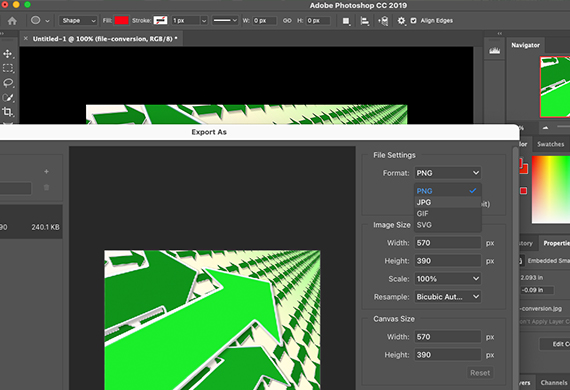
When you want to convert a vector image (SVG) to a JPG, follow these steps:

svg to jpg conversion

  1. Open the SVG image file or drag & drop it on a pre-sized canvas in Photoshop, Illustrator, or CorelDraw
  2. Go to File
  3. Select Export
  4. Click Export As
  5. Select JPG format from the drop-down menu
  6. Adjust the image size and canvas size as needed
  7. Click “Export all” and save your new JPG image

Note: The “SVG” file format is the most popular tool for displaying two-dimensional graphics, designs, charts, and illustrations on websites. Plus, as a vector file, it can be scaled up or down without losing any resolution.

What Computer Programs Open an SVG File?

Google Chrome, Safari, Firefox, IE, Opera, and every popular web browser should be able to render and view SVG image files. SVG files are also supported in most text editors and high-end Graphics editors like Adobe Illustrator and CorelDRAW.

Vectors in Graphic Design

In this article, you discovered the definition, applications, and advantages of working with vectors or SVGs in your graphic design projects.

Knowing how to use and apply vector-based images will drastically improve your images when scaled up or down or applied to colored backgrounds.

Not using vector-based graphics will make your designs look less professional, appealing, and make you look like an inexperienced designer.

Source:
web.simmons.edu/~grovesd/comm328/modules/svg/creating-svgs
guides.lib.umich.edu/c.php?g=282942&p=1885352
pavilion.dinfos.edu/Article/Article/2223089/vector-vs-raster-images-choosing-the-right-format/

Clash Graphics Print Shop Atlanta Flyer Printing

2233 Peachtree Rd NE Ste 202 Atlanta, GA 30309
(678) 235-3464

To view the original version on Clash Graphics, visit: https://www.clashgraphics.com/printing-tips/what-is-a-vector-in-graphic-design/

Thursday, August 11, 2022

Custom Stationery Printing - Everything You Need to Know

Don't be ignorant to the possibilities of custom printed stationery. Knowing how to design and print the highest-quality stationery will help you put your best foot forward when engaging with new customers, clients, and fans.

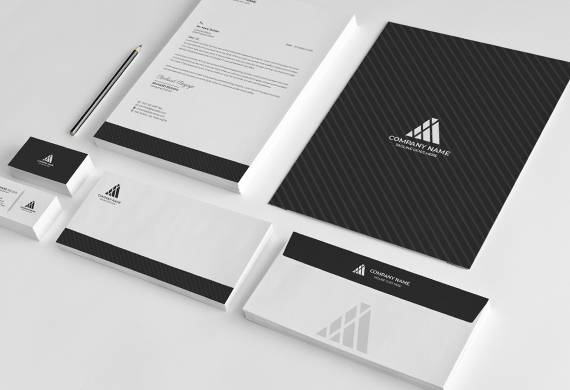
Custom stationery includes letterhead business cards envelopes and more printed on different types of paper

clashgraphics.com gathered the following information about custom stationery printing, what items you can have customized, and how to get it professionally printed.

Custom Stationery

Personalized or custom stationery includes any type of paper or writing utensil that is customized to a specific user or business needs. For centuries, people have used custom stationery to make unique invitations, calling cards, letterhead, and other business-related paper goods.

Custom Stationery Design

Custom stationery can include an infinite combination of words, colors, images, and designs. The following steps will help you quickly create your stationery design using Adobe InDesign, Illustrator, Microsoft Word, Publisher, Apple Pages, QuarkXPress, or CorelDraw.

  1. Start with a design template
  2. Add your own images and logo
  3. Add personalized text and select fonts
  4. Choose color combinations that suit your brand
  5. Print your design in-house or send it out

Note: Stationery design covers all the writing equipment and office supplies you normally require for day-to-day use, like paper, letterheads, pens, pencils, folders, business cards, post-its, and cases.

Tip: Consult a graphic designer to help you sharpen and de-clutter your work so it can be applied to all of your stationery needs.

What Paper is Best for Stationery?

Traditionally, high-quality stationery is made of heavy cardstock. For more formal occasions, white and ivory are most common, but pale blue or grey are often the colors of choice. Consider the following when selecting paper for business stationery:

  • Letterheads are typically printed on bond or text paper. For bonds, the most popular weights are 20Lbs and 24Lbs, while for text paper, the most popular weight is 70Lbs.
  • Envelopes are created from the same weight and color paper as the corresponding letterheads in a process called converting. Large sheets or rolls of stationery-grade paper are loaded into a machine that cuts a pattern from the sheet, then folds and glues the pattern creating an envelope.
  • Business cards are typically printed on cover stock with a weight of 65Lbs or 80Lbs. The thickness of the stock is determined by the finish, not its weight.

Tip: Your paper selection will significantly influence the finish and presentation of your stationery, before approving large runs, request samples on multiple parer weights and colors.

What Finishes Can be Applied to Paper Stationery?

Custom stationery includes letterhead business cards envelopes printed on different types of paper

Finishes can visually and texturally transform your paper selection. Finishes can be applied to paper inline (during the manufacturing process) or offline (after manufacturing).

Inline finishes are made with rollers that form a pattern in the paper while it is still wet. Offline finishes are created with steel rollers that press a pattern into the paper and are commonly known as embossed finishes.

Popular finishes for stationery paper include:

  • Cockle, which simulates handmade paper
  • Laid which appears to have translucent lines horizontally and vertically in the paper
  • Linen which resembles linen cloth
  • Smooth, which has a smooth, polished appearance
  • Vellum which has an eggshell appearance (consistent and even)
  • Wove, which has a slight texture with an even finish

Note: A watermark is an embossed design made during its manufacturing. The design typically identifies the paper and its manufacturer. Watermarks are visible when the sheet is held to light and is considered a hallmark of a superior paper grade.

Custom Writing Utensils

Custom writing utensils are an integral part of your professional stationery collection. They provide a sense of preparedness and style. Doctors, lawyers, elected officials, and public figures often need to sign important documents, and the right customized pen can leave a lasting impression.

When you give away customized pens as promotional material or “swag” (pens, pencils, post-it pads, mouse pads, t-shirts, bags, etc.), there are three principal benefits you get in return. These benefits include:

Exceptional ROI - A great advantage of promotional pens is that they are incredibly budget-friendly. Everyone uses pens, making them a great return on investment. This allows you excellent exposure as pens are used repeatedly.

Building Brand Awareness - Brand awareness is key to capturing and retaining customers. Functional promotional items like pens have a wide reach. Not only are they given to your current clients, but they are seen and received by others.

Note: This printed stationery allows your brand to be on someone's mind when they are looking for a solution that you offer. With this awareness, they are more likely to reach out to you than search for one of your competitors.

Keep Your Customers Happy - Offering free promotional swag - useful to your customers - allows you to create lasting impressions on them. Small gifts make big impressions and can significantly improve your customer's experience with your brand.

Tip: This type of interaction can be more memorable than distributing business cards, which often get filed or thrown away.

Stationery Design

In this article, you discovered essential information and tips on custom stationery printing, what you can customize, and how to get it professionally printed.

By custom designing your business stationery, you can create a powerful image and representation of your product and business ethics.

Ignoring the possibilities of custom printed stationery will leave your projects dull and not as visually appealing.

Sources:
graphicdesign.sfcc.spokane.edu/dZine/mujica/printproduction/2019/lecture/l13_Choosing%20Paper.pdf
online.ndm.edu/news/business/small-business-branding/
scu.edu/mobi/resources--tools/blog-posts/how-to-brand-your-business-and-your-products/
merriam-webster.com/dictionary/stationery

Clash Graphics Print Shop Atlanta Flyer Printing

2233 Peachtree Rd NE Ste 202 Atlanta, GA 30309
(678) 235-3464

To view the original version on Clash Graphics, visit: https://www.clashgraphics.com/printing-tips/custom-stationery-printing-everything-you-need-to-know/

Monday, July 11, 2022

What are the Best Colors for Marketing

Avoid using the wrong colors and creating visuals that detract from and hurt your brand identity. Knowing which colors are most well-received by the general population will help you structure better product presentations, improving sales and company revenue.

Colors used in marketing and advertising include colors that capture attention and stir emotion

clashgraphics.com gathered the following information about which colors are the most popular and most utilized in marketing and product presentation.

Which Color is Best for Business?

When it comes to marketing success, color can make or break a line of products and the company behind them. While there is some debate over which color is the best for business, consider the following and apply your own product/sales data and market research:

Marketing with Red

Colors used in marketing and advertising include red

Marketing colors like red are typically utilized to capture attention. Red is associated with excitement, passion, erotica, danger, energy, and action. Some brands use red for 'order now' buttons, calls to action (CTAs), or for their packaging as a way to differentiate their product(s) on the shelf.

Note: Red has a range of symbolic and historical meanings through different cultures, including life, health, vigor, war, courage, anger, love, and religious uprising.

Marketing with Blue

Colors used in marketing and advertising include blue

Due to the color blue’s association with water, this color is known to arouse feelings of calmness and tranquility. Blue can also signify peace, gentleness, and relaxation, and some blue shades may trigger sadness. Blue is also frequently associated with trust, and you see many financial institutions using it in their product marketing and overall branding.

Note: The color blue commonly represents both the sky and the sea and is associated with open spaces, freedom, intuition, imagination, inspiration, and sensitivity. Blue also evokes meanings of depth, trust, loyalty, sincerity, wisdom, confidence, stability, faith, and elevated intelligence.

Marketing with Black

Colors used in marketing and advertising include black

Consumers will notice black being used on high-end, luxury, or elite product websites. The high contrast that black provides other colors allows certain webpage elements (like backgrounds) to recede, so the user's focus can be coerced to product images without the overall layout appearing forced or overdone.

Note: Black is popular in retail. In color psychology, black's color meaning is symbolic of mystery, power, elegance, and sophistication. In contrast, the color black can also evoke emotions like sadness and anger. Many fashion retailers use black in their products and logos.

Marketing with Yellow

Colors used in marketing and advertising include yellow

Use yellow shades to evoke pleasant, cheerful feelings. Choose yellow to advertise and promote children's products and anything related to leisure. Yellow is highly effective for attracting attention. Use it to highlight the most significant elements of your design.

Note: Yellow is commonly known as the color of the sun (the sun is actually white), smiley faces, and sunflowers. It is recognized as a happy, youthful color, full of hope and positivity. It's another color that grabs your attention and, for that reason, is also used to signify caution, like red and orange.

Marketing with Green

Colors used in marketing and advertising include green

As opposed to red, green represents safety; it is the color of free passage (“go”) in road traffic. You can use green to indicate safety when advertising typically unpopular products like drugs and medical items. Green is directly related to nature and is frequently used to promote 'green' or sustainable products.

Note: Typically, shades of green symbolize life, fertility, spiritual renewal, regrowth, and resurrection. Green is a combination of yellow (symbolizing glory and energy) and blue (relating to God and the heavens).

Marketing with Orange

Colors used in marketing and advertising include orange

In marketing, orange often represents youth, playfulness, and being bold. Orange is typically seen as healthy, energizing, and attention-grabbing. As seen in branding like that of Amazon, Nickelodeon, and The Home Depot.

Note: Orange often represents meanings or feelings of joy, warmth, sunshine, enthusiasm, success, encouragement, change, determination, health, stimulation, fun, balance, sexuality, freedom, expression, and fascination. Orange is seen as the color of happiness and creativity.

Marketing with Purple

Colors used in marketing and advertising include purple

Purple is associated with luxury, royalty, dreams, mystery, and elegance. Light shades of purple are seen as soothing and work well for beauty-orientated advertising and branding.

Note: Purple often represents royalty, nobility, luxury, power, and ambition. Purple also signifies wealth, extravagance, creativity, wisdom, dignity, grandeur, devotion, peace, pride, mystery, independence, and of course, magic.

Marketing with White

Colors used in marketing and advertising include white

In advertising, white represents coolness, sanitation, and cleanliness. Use white to suggest simplicity in high-tech products. White is an appropriate color for charitable organizations as angels are typically portrayed as wearing white garments and robes.

Note: White is clean, simple, and pure. It stands in direct opposition to black, and its significance is unequivocal. As white light contains all the colors of the spectrum, it’s an inclusive, impartial color, favoring no one hue, unable to take sides.

Best Colors for Marketing and Advertising

In this article, you discovered essential information about the meanings and applications of the best colors for marketing and branding.

Understanding how advertising and marketing are profoundly influenced by the organization and combination of colors will help guide your company’s and product’s visual presentation. The right color combination for the right product, brand, or philosophy can translate to popularity, success, and significantly increased revenue.

By haphazardly using color schemes and mismatched color tones, you risk jeopardizing your business’ prosperity, popularity, and longevity.

Sources:
gcu.edu/blog/performing-arts-digital-arts/how-advertisers-use-color
appliedpsychologydegree.usc.edu/blog/color-psychology-used-in-marketing-an-overview/
citeseerx.ist.psu.edu/viewdoc/download?doi=10.1.1.975.839&rep=rep1&type=pdf

Clash Graphics Print Shop Atlanta Flyer Printing

2233 Peachtree Rd NE Ste 202 Atlanta, GA 30309
(678) 235-3464

To view the original version on Clash Graphics, visit: https://www.clashgraphics.com/printing-tips/what-are-the-best-colors-for-marketing/

Wednesday, June 15, 2022

How To Learn Graphic Design

Don't waste your time and take longer than it requires to pickup the skill to become a designer. Learning graphic design will open up new professional and personal possibilities.

Learning graphic design requires you to study and practice

clashgraphics.com gathered the following information about graphic design and what you can do to learn it.

What Is Graphic Design?

Graphic design refers to the profession and discipline of activities that project visual signals or communications intended to convey well-defined messages to specific demographic groups with clear and predetermined objectives.

Learning Graphic Design

As with any new subject, there are many new things to learn. Getting acquainted with the basics is your first step on your journey. Having determined that graphic design is the career or skill you want to pursue, you’ll need some guidance on the steps to take in order to achieve your goal. Consider the following advice and tips:

Familiarize Yourself With Graphic Design History - There are many places where you can get started with graphic design history, from podcasts to documentaries and design books.

Increase Your knowledge of Design Principles and Process Skills - Graphic designers should know the 5 principles of design:

  1. Alignment
  2. Repetition
  3. Contrast
  4. Hierarchy
  5. Balance

These principles work together to create a cohesive design, stability, organization, consistency, impact, and clear message. Following these principles, designers can articulate and solve visual and conceptual problems as a part of the design process, from the research phase to idea development and the final outcome that gives their client the desired results.

Deepen Your Knowledge of Typography - Typography helps you give character to a brand and is crucial to graphic design, including magazine copy, advertisements, logos, and much more. Understanding typography allows you to justify typographic choices in your own work and significantly elevates your design work.

Learn the Fundamentals of Color - Color is an essential part of design because it is used to affect the mood of the design and the brand. Color is used as a powerful tool to persuade and entice. Experienced designers have a profound understanding of:

Learning graphic design requires you to fully understand colors

  • The meaning of each color
  • Color combinations
  • How color palettes are used for emotive impact

When choosing colors for a design, having a solid foundation of color meaning and the science behind it will help you produce superior designs.

Become Proficient in Design Programs - Pursuing a career in graphic design will require you to learn how Illustrator, InDesign, and Photoshop (Adobe Creative Cloud), and Sketch work together to create stunning designs.

Use Social Network Platforms - Social media platforms like Pinterest, Facebook, and Instagram are tremendous resources for connecting with and discovering works by other designers and artists.

Join National and International Design Groups - Attending local, national, and international design events (in-person or virtually) affords you the opportunity to network with other designers and artists, building your connections and popularity in the industry. Networking with these people can help you accelerate and advance in your design career.

Continue Your education - Being self-taught can take you a long way in the graphic design industry, but without a higher education, you may find it challenging to secure employment in high-level positions or in larger corporations.

Learning graphic design requires you to further your education

At the college or university level, graphic design schools are typically a department or academic unit within a larger institution offering undergraduate and graduate degree programs in graphic design and related fields. Such programs may include:

  • An Associate’s Degree in Graphic Design (a two-year program)
  • A Bachelor’s Degree in Graphic Design (a four-year undergraduate program)
  • A Master’s Degree in Graphic Design (a post-graduate course of study typically requiring two years to complete)
  • A Certificate in Graphic Design (a standalone credential for those transitioning into the graphic design field)

In this post-pandemic era, most graphic design colleges have eliminated separate designations for on-campus and online degrees. Instead, these institutions now list their graphic design courses as either “in person” or “online.” Among the nation’s best graphic design schools are:

  • Pratt Institute - pratt.edu/academics/school-of-design
  • Rhode Island School of Design - risd.edu/academics/graphic-design
  • Carnegie Mellon University School of Art - design.cmu.edu
  • ArtCenter College of Design - artcenter.edu/academics/undergraduate-degrees/graphic-design/overview.html
  • Parsons, The New School for Design - newschool.edu/parsons/bfa-communication-design

Required Skills for Graphic Designers

Applying for a new or better position as a graphic designer requires you to use all of the essential skills that make you a graphic designer. Here are some of the skills that employers will consider when hiring a graphic designer:

  • Creativity
  • Communication Skills
  • Strategic Thinking
  • Design App Experience
  • Coding Knowledge

Uniting the multiple skills required for you to be a graphic designer will increase your value to the work market. Read more about required graphic design skills at clashgraphics.com/printing-tips/essential-graphic-design-skills/

Mastering Graphic Design

In this article, you discovered information about learning graphic design, how to further your education in the field, and the skills you must possess to excel in the profession.

Embracing the need to seek more information and education in the graphic design field will help you progress professionally and develop a more meaningful career.

Not knowing the most efficient way to become a graphic designer can leave you with less prominent positions or delay the process and cost more.

Sources:
newschoolarch.edu/blog/how-to-become-a-graphic-designer-step-by-step/
rasmussen.edu/degrees/design/blog/what-is-graphic-design/
northcentralcollege.edu/news/2022/03/02/what-do-graphic-designers-do

Clash Graphics Print Shop Atlanta Flyer Printing

2233 Peachtree Rd NE Ste 202 Atlanta, GA 30309
(678) 235-3464

To view the original version on Clash Graphics, visit: https://www.clashgraphics.com/printing-tips/how-to-learn-graphic-design/