Tuesday, June 22, 2021

50th Birthday Party Ideas for Men

Don't allow an ordinary celebration for one of the most significant birthday milestones. Having party ideas and knowing how to organize a male 50th birthday party will alleviate extra effort, and help you to create an exceptional celebration and unforgettable memory.
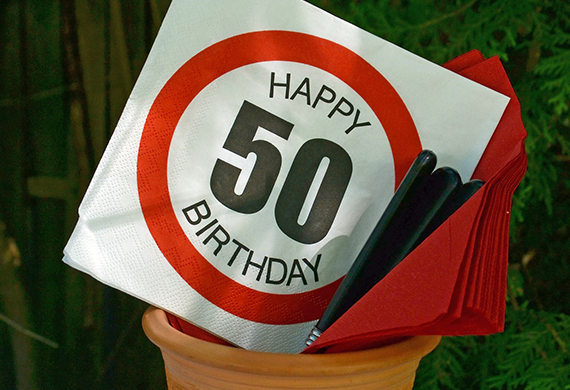
Fiftieth birthday party celebration

clashgraphics.com gathered the following information about party themes, group activities, and tips to help you plan and throw an incredible 50th birthday party for any male in your life.

50th Birthday Party Themes for Men

You’d think a party theme for a 50th birthday party would be pretty self-explanatory (50). However, there are a few things to consider before doling out megabucks on decorations and party favors. The following questions will help you define/refine the direction of your planning:

What Does The Guest of Honor Do for a Living? - Knowing the guest of honor is particularly helpful when choosing a party theme. What they do for a living may be the only knowledge you need to know to assemble an appropriate theme, especially when the honoree loves his career. Some fun career fields to develop the party theme may include:

  • Teacher
  • Lawyer
  • Nurse/Doctor
  • Mechanic
  • Military Officer
  • Police Officer
  • Plumber
  • Chef
  • Astronomer
  • Scientist

Fiftieth birthday celebration theme based on profession

Whichever career your guest of honor is in, having a theme based on or alluding to that career will create a more familiar environment for him and the party’s attendees.

What Are The Guest of Honor’s Hobbies? - In the unlikely event that your guest of honor is not so fond of his work, you may have to find inspiration in his hobbies or non-work-related interests. There is much fun to be had with the following:

  • Painting/Splatter Room
  • Ziplining
  • Hiking/Mountain Trails
  • Bowling/Sports
  • Fishing
  • Archery
  • Geocaching

Fiftieth birthday celebration theme and activities

A benefit to anchoring a theme on a hobby is the likelihood that most attendees will participate in the activities out of curiosity or competition.

Who Will Be Invited to The Party? - Knowing who will be in attendance will make party theme development much easier. One principle behind this is to keep everyone occupied simultaneously, especially if children and adolescents will be in attendance.

What Time of Year and Time of Day Will the Party Take Place? - One of the most significant influences on your planning will be the season. Pool parties may not go over so well in mid-winter. Likewise, your “Starry night at a French cafe” party may not be so magical at 2 in the afternoon.
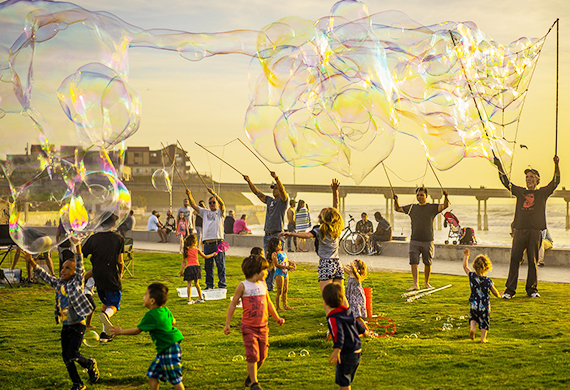
Fiftieth birthday celebration in the park

What’s the Party Venue? - An intelligent move on your part as a party planner is to secure the celebration’s location before determining the theme. This helps you account for the space you can use for decorations, props, and activities.

Note: The more framework or structure you can define before settling on a theme, the easier your setup, walkthrough, and event will occur.

Tip: Be mindful. If your guest of honor is sensitive of his age. Avoid the “Over the Hill or “Age” related themes. There is a multitude of adult party themes to choose from.

Themes for a 50th Birthday Celebration

Themes for a 50th birthday party can develop from nearly any aspect of the birthday boy’s profession, hobbies, or lifetime achievements. Consider the following popular themes:

  • Straight Outta My 40’s
  • Rhythm & Brews
  • Old Lives Matter
  • Over The Hill
  • Age Is Just a Number (A Really High One in This Case)
  • Black and Gold Celebration
  • Silver Party Theme

Fiftieth birthday celebration black and gold treats

Here are some themes that can steer your party plans far away from being boring. In fact, when your guest of honor’s activities are incorporated in the theme, a 50th birthday party can be the most fun and memorable event of the year.

Wine and Cheese Tasting 50th Birthday Party

For your “modern” friend that loves food! This 50th birthday party theme can easily please everyone. So break out the best bottles of reds and whites along with your cheese board, and enjoy the “tasty” event.

Fiftieth birthday celebration wine and cheese tasting

Muscle Cars and Horse Power 50th Birthday Celebration

If your birthday boy is mechanically inclined and enjoys spending time under the hood, invite guests with classic cars, hot rods, and muscle cars. To make this party happen, hot dogs, potato salad, and hamburgers may be all you need.

Mardi Gras 50th Birthday

If your guest of honor enjoys living a bit on the wild side, a Mardi Gras-inspired celebration may hit the spot! Beads, Southern cuisine, sounds of a brass band, and festive clothing can instantly transport your festivities to the “Big Easy.”

Luau Themed 50th Birthday Party

Fiftieth birthday celebration luau or hawaiian theme

Everyone may have an idea of what a luau is. However, for anyone who has ever been to an authentic Hawaiian luau, this theme will be wildly popular! The feast can feature traditional dishes like poi, kālua puaʻa (kālua pig), poke, lomi salmon, ʻopihi, and haupia.

Margaritaville Themed 50th Birthday Celebration

Margaritaville is a feeling, not a place. "Margaritaville" is a song Jimmy Buffett wrote and recorded with his Coral Reefer Band in Key West, Florida. For this theme, being near a beach is convenient but not totally necessary. There are dozens of Margaritaville-themed resorts that can accommodate your celebration, and if you are still out of reach, just think beach and margaritas to set the tone.

Paris France Themed 50th Birthday Party

Twinkle lights, great champagne, light food, and great conversations all taking place in an open, outside, “veranda” setting on a table large enough to accommodate most attendees.

Birth Year Themed 50th Birthday Bash

Turn back the clock and spend a day celebrating like it was the year your guest of honor was born. You may find yourself at a thrift store to find some props, but the nostalgia such a party can bring to life is well worth the effort.

Circus Themed 50th Birthday Party

Fiftieth birthday celebration circus and clown theme

Even if the circus isn’t in town, you can pop the popcorn, break out the candy, and even have contests for random prizes. Fun times ahead!

More 50th Birthday Party Themes

Here are a few more themes to help you develop the perfect 50th birthday celebration:

  • Fisherman and Fishing Poles
  • Backyard BBQ
  • Make it smooth and easy going with Jazz
  • Gardeners, Flowers, and Plants
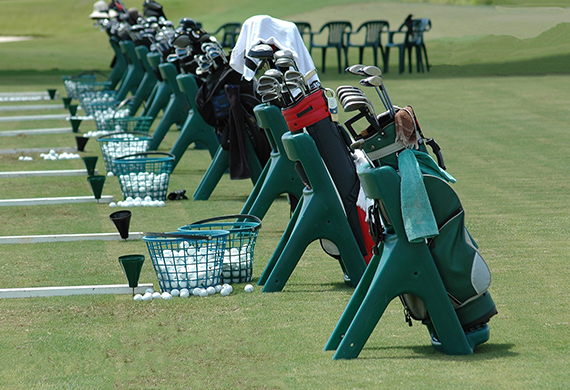
  • Golf - Take the party to the range

Fiftieth birthday celebration golf range and party

Tip: Whatever theme is used to put the party together, don’t forget to incorporate the guest of honor’s hobbies, profession, and/or favorite activities.

When putting the theme and party together, here are some things you may want to consider that personalize and enhance the party experience:

  • Printed and personalized invitations
  • Party favors with the party’s theme
  • Banners
  • Posters
  • Window Graphics
  • Printed thank you cards

Add another layer of fun to the celebration by turning it into a surprise party. For step-by-step instructions, read the article How To Plan a Surprise Birthday Party.

Fiftieth birthday celebration balloons

Men’s 50th Birthday Celebration

In this article, you discovered party themes, activities, and tips to help you put together a meaningful and memorable 50th birthday celebration.

One of the most significant birthday parties you can participate in is the 50th. Having a theme tempered by the birthday boy’s profession and hobbies makes the party that much more special and memorable.

Failing to enhance or elevate a milestone birthday can leave attendees and everyone else involved with a sense of disappointment.

Sources:
nextavenue.org/how-throw-unforgettable-destination-party/
sloganshub.org/50th-birthday-slogans-and-sayings/

Clash Graphics Print Shop Atlanta Flyer Printing

2233 Peachtree Rd NE Ste 202 AtlantaGA 30309

(678) 235-3464

To view the original version on Clash Graphics, visit: https://www.clashgraphics.com/printing-tips/50th-birthday-party-ideas-for-men/

Sunday, May 23, 2021

Types of Wayfinding Signs and Their Purpose

Prevent your visitors, guests, and shoppers from getting lost. Knowing where to order and how wayfinding signage helps people navigate locations will help you create and install proper signage.

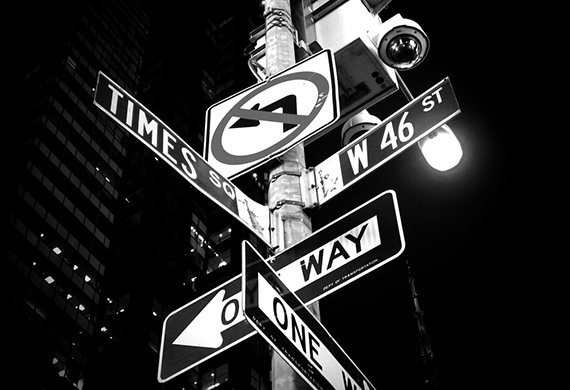
Roadsigns are used worldwide as wayfinding tools that help people move from an origin to a destination

clashgraphics.com gathered the following information about wayfinding signage, how different types of wayfinding signs interact, and why they are crucial to helping people safely reach their destinations.

What Does Wayfinding Mean?

The term wayfinding defines information systems (signage) that prompt, inform, and guide people through a physical environment while enhancing their understanding and experience of the location. These interconnecting information systems help people develop mental layouts of the terrain while simplifying their routes from origin to destination.

Important wayfinding markers for hikers

What Are The Principles of Wayfinding?

Ultimately, the desired outcome of a successful wayfinding campaign is for a person navigating your building, neighborhood, city, or state to be aware of his/her location, direction, and time/distance to their destination. The following principles (applied to road travel as an example) will help guide you to creating a highly optimized wayfinding program:

1. Location Identity - This principle speaks to the individuality or identifiability of specific locations. This is an aspect that establishes reference points or landmarks that become ways of positioning one’s self in a larger navigable space.

Example: Mile markers on a highway provide information about your immediate location and direction.

2. Use Landmarks for Location and Orientation Cues - Landmarks seen from a larger area or perspective help the individual attain a better perception of positioning, direction, and distance on a larger scale.

Landmarks offer cues for orientation and are frequently used in wayfinding

Example: Road/travel landmarks include architecturally significant buildings, water towers, bridges, etc.

3. Create well-signed And Structured Paths - Visual cues along interstate roadways accomplish this structure with signage like:

  • “Atlanta (or other major destination) 200 miles” - meaning you are 200 miles from the stated destination.
  • “Rest Area 5 miles” or “Next Rest Area 85 miles”
  • “Welcome Center Next Right”
  • Food, Lodging, and Gas signage announcing options at exits
  • Speed limit signage
  • Construction or work zone signage

Example: Billboards along a stretch of roadway are intended to convey information from a distance and can easily be used as directional landmarks (driving traffic to a specific location) within a larger region.

4. Give Each Region along a Path Its Own Characteristics - Cities or townships take on specific attributes that differentiate them from one another. Thus, contributing to a navigator’s positioning and wayfinding.

Tourist information used for wayfinding along a scenic route

Example: Some cities may be known for their car dealerships, others may be known for their educational campuses, while others may be known for their cultural heritage or sightseeing appeal.

5. Keep Navigation Options To a Minimum - “All roads lead to Rome.” This saying means that all the methods of doing something will achieve the same result in the end. If your plan is to drive traffic to a specific attraction or location, design visual cues meant to attract navigators there.

Example: Post “Free Test-Drive,” “Buy One-Get One,” “50% off,” or other attractive marketing strategies. Some cities may guide traffic flow by making a series of one-way streets to force traffic towards a significant cultural attraction or economic driver.

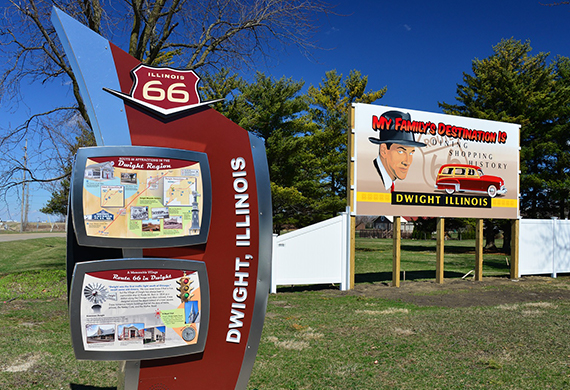
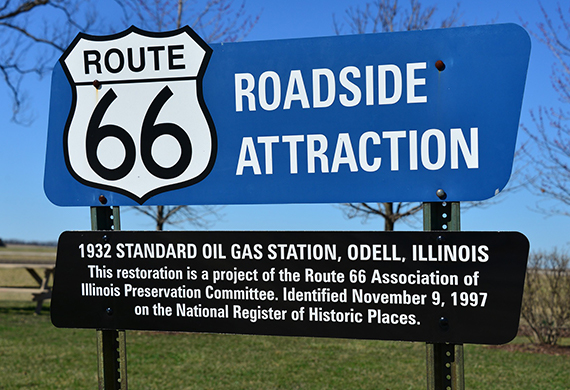
6. Give Navigators a Map Reflecting the Path To Follow - Tourist maps are excellent examples of how to guide navigators. Perhaps most famous are the tourist maps found along “Historic US Route 66” stretching from Santa Monica, California to Chicago, Illinois.

Example: Visitors or Welcome centers along Route 66 offer tourist maps with historical information, sightseeing information, and offer navigators another positioning or directional cue.

7. Place Signage at Key or Decision Points That Promote Navigators Making Informed Decisions - Such wayfinding informational signage should be placed at locations where a navigator must make a directional decision. Such signage may warn of wildlife danger, rough roads, long delays, road work ahead, or other inconvenience that encourages using an alternate route.

Example: Most cities with a well-developed transit system use overhead digital signage to warn motorists of accidents, road closures, or other information that may interrupt or delay their commute.

8. Give Your Navigators More Extensive Insight - This principle provides a navigator with information on what awaits further along the path, often unfamiliar but potentially of interest. This wayfinding strategy may prompt the navigator to alter his/her destination. It relies on providing sufficient information to spark enough curiosity for the navigator to select that path.

Location history and information wayfinding sign

Example: A sequence of billboards may announce the opening of an amusement park at Exit - 99, or your tourist map may announce the world’s tallest waterfall and campground just beyond the next city.

Note: While these principles used road travel to provide perspective, they can be similarly applied to any location or event in which people will move from one place to another. Such events include conventions, concerts, sports events, airports, and hospitals. Wayfinding is everywhere! From street signs to restroom signs, everyone is constantly being guided whether it’s noticed or not.

What Is The Difference Between Signage And Wayfinding?

While digital signage and wayfinding are more often reliant on each other than not. Wayfinding is any process that assists people find their way around, to, or from a location, while digital signage is a broader category that encompasses more than wayfinding technology.

Digital signage may be used to provide severe weather announcements, news headlines, or product promotions. While this may be valuable information, it does not provide location orientation (unless the sign itself is used as a landmark).

What Are The Different Types of Signs?

There are four distinct types of wayfinding signs, including identification, directional, informational, and regulatory. As individual signs, they attend to a specific role. However, as part of a wayfinding system, they work with each other to provide directional and positioning cues. Consider the following:

1. Identification Signs - This wayfinding signage is the most common and should be the most straightforward. Identification signage tells a person when they’ve arrived at their destination or if they’ve ended up in the wrong location. Some examples may include:

  • Landmark (statues, historical markers, etc.)
  • Department (Radiology, Sales, Accounting, etc.)
  • Door ID Plates (General Manager, President, Conference Room, etc.)

Directional signs are a wayfinding technique of announcing a destination

2. Directional Signs - These signs act as cues to guide people from where they are to where they are going. These signs may be as simple as names with arrows at corridor junctions or as comprehensive as color-coded corridors leading to specific departments. Examples of these may include:

  • Directory Signage (food court upper level, You Are Here, etc.)
  • Color-coded corridors/lines (blue for accounting, yellow for marketing, etc.)
  • Hanging product location signage (Bread, Condiments, Peanut Butter, Jelly, etc.)

3. Informational Signs - These signs serve to answer questions before they are asked. Such signage is often located in lobbies, waiting areas, and other areas exposed to people navigating to or reaching a destination. Informational signs include:

  • Emergency Exits
  • Restrooms
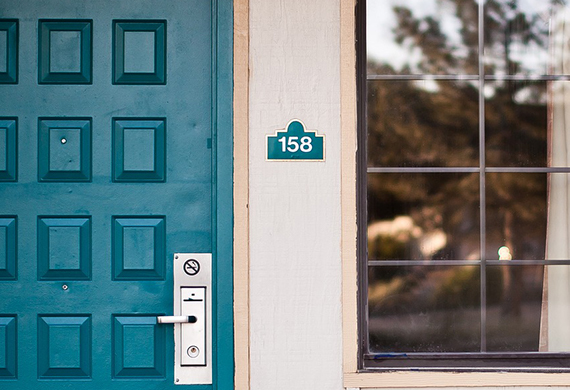
  • Address Numbers or Placard
  • Hours of Operation
  • No Shoes, No Shirt, No Service

4. Regulatory Signs - Using clear and concise vocabulary, regulatory signage establish and reinforce rules and standards. This form of wayfinding signage generally focuses on safety and may include:

  • No Smoking
  • High Voltage
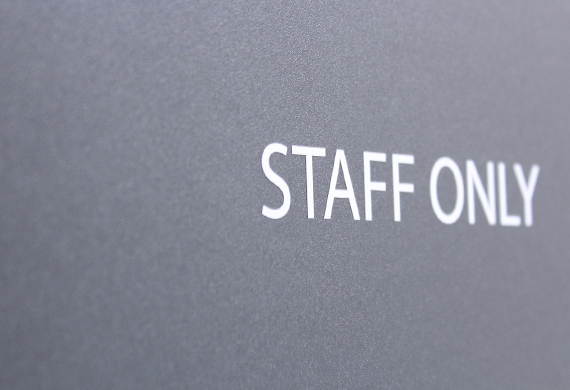
  • Staff Only
  • No Pets Allowed
  • Face Coverings Required

These signs can be custom designed on aluminum, vinyl, or plastic in various colors and sizes; visit the link to order large format printing signage or to learn options and custom designs.

Regulatory signs are important wayfinding tools

What Is a Wayfinding Strategy?

A comprehensive wayfinding strategy helps people depart a point of origin and navigate a path to a destination. The strategy seamlessly combines signage, maps, symbols, colors, and other forms of communication. As technological advancements become more available to the general population, wayfinding strategies integrate more mobile applications, RFID, QR code technology, and other wireless applications.

Wayfinding Signs and Cues

In this article, you discovered the principles of wayfinding, the types of signage it uses, and how all of it works together to accomplish people’s commutes and travels on any scale.

Having a well-designed and thought-out wayfinding system for your event, building, community, city, or state will help prevent confusion and frustration as people navigate from point A to point B.

Without wayfinding tools, you risk frustrating potential customers, losing valuable business, and dissuading tourists from visiting your location, all causing potentially significant revenue loss.

Sources:
ai.mit.edu/projects/infoarch/publications/mfoltz-thesis/node8.html
webservices.itcs.umich.edu/mediawiki/DigitalRhetoricCollaborative/index.php/Wayfinding
citeseerx.ist.psu.edu/viewdoc/download?doi=10.1.1.376.797&rep=rep1&type=pdf
http://www2.ca.uky.edu/agcomm/pubs/LA/LA4/LA4.pdf

Clash Graphics Print Shop Atlanta Flyer Printing

2233 Peachtree Rd NE Ste 202 AtlantaGA 30309

(678) 235-3464

To view the original version on Clash Graphics, visit: https://www.clashgraphics.com/printing-tips/wayfinding-signs/

Friday, April 23, 2021

What is Every Door Direct Mail® - EDDM

Avoid missing potential customers or making a mistake on your next direct mail campaign. Knowing how to use Every Door Direct Mail® will help you efficiently increase revenue by extending your reach while remaining extremely targeted.

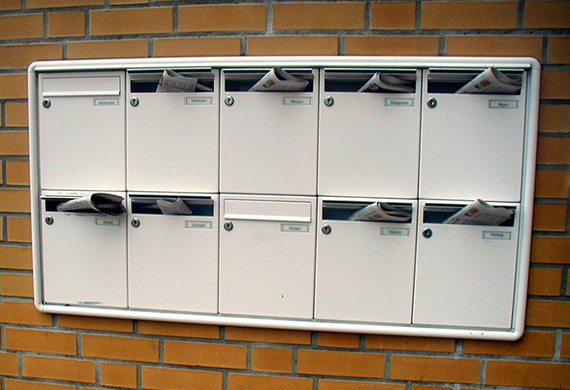
Every door direct mail is targeted bulk mailing offered by the usps

clashgraphics.com gathered the following details about what Every Door Direct Mail® (EDDM®) is, how it works, and what it costs.

What is EDDM?

Every Door Direct Mail® (EDDM®) is targeted bulk mailing, offered by the United States Postal Service (USPS), allowing your marketing strategy to reach potential customers without maintaining a mailing list or even knowing their address. Choose the mailing routes you determine to be priorities (by neighborhood, city, or ZIP code), and your mailers will be delivered to each active address on those routes.

How Does USPS EDDM Work?

There are 2 types of EDDM®, one is “retail,” and the other is “Business Mail Entry Unit.” EDDM® Retail won’t require you to have a mailing permit, is limited to standard flats (postcards), and permits a maximum of 5,000 daily pieces. EDDM® BMEU (Business Mail Entry Unit) requires bulk-mail permitting and provides more flexibility as to what may be mailed.

You can put together an EDDM® marketing campaign (printed in accordance with USPS guidelines) in 4 easy steps:

Step 1. Define Your Marketing Strategy and Goals - Why are you considering using EDDM®. Are you trying to:

  • Explore an under-targeted community?
  • Increase lead generation?
  • Promote a product launch, event, or sale?
  • Promote a company expansion or branch opening?

EDDM® allows you to reach an entire community or laser focus on a select demographic within that community.

Step 2. Create or Use an Existing USPS.com Account - Businesses and individuals can create an Every Door Direct Mail®-Retail mailing online with a USPS.com account. To use EDDM® Retail, you must send a minimum of 200 mail pieces but are permitted up to 5,000 per day per ZIP Code.

Step 3. Design and Print Your Mail Pieces - The USPS has defined physical standards and print placement guidelines that must be followed when designing your creative. Click this link to have our team design and print your Every Door Direct Mailing Postcards according to these guidelines. For the specific requirements and a DIY campaign, read the following:

  • Flat minimum dimensions must be more than 10.5 inches long or 6.125 inches high or .25 inches thick.
  • Flat maximum dimensions are 15 inches long, 12 inches high, and .75 inches thick.
  • Mailing labels must appear on the top half of mail pieces and not appear upside-down when placed parallel to the shortest end of the flat.

Business Mail Entry Units (BMEU) label options must include:

  • Postal Customer” for active business and residential deliveries
  • Residential Customer” for residential deliveries
  • PO Box Customer” for PO Box deliveries
  • City, State, and 5-digit ZIP Code can be included but are not required
  • EDDM” must appear after “ECRWSS” on flats 10.5 to 11.5 inches in length submitted at a BMEU

Note: All pieces must include “ECRWSS” in the address area or within/below the permit indicia.

Retail EDDM® labels must include:

  • Local Postal Customer” for active business and residential deliveries

Note: All retail pieces must include “ECRWSS” and “EDDM RETAIL” within the retail indicia.

For more detailed information about proper placement and the indicia requirements, visit usps.com/business/pdf/quick-reference-guide.pdf

Watch this video about BMEU and Retail EDDM.

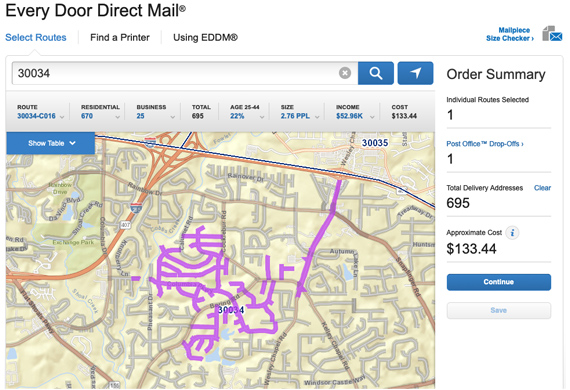
Step 4. Select The Best Mail Routes for Your Marketing Objectives - After you’ve done your research on “who you want to receive what,” the USPS has developed a powerful interactive map to help you determine the routes for your EDDM® marketing campaign.

Using census information, the map also allows you to define your recipients by showing:

  • Number of business and residential postal customers
  • Average age (you can define this metric)
  • Average household size
  • Average household income

The map will calculate the number of Post Office drop-off locations, the total number of addressees, the estimated cost, and provide you with a route number. You can find this map at eddm.usps.com/eddm/customer/routeSearch.action

Every door direct mail mapping tool helps you target a specific community

Once your flats are printed and ready to go, you will need to decide how to get them to their destination. Having your printer take care of your EDDM® preparation can save your business considerable time and money. Your printer’s customer service representative can help you determine the best course of action to help you make the most of your investment.

How Effective is EDDM?

Since the onset of digital marketing, many have claimed that direct marketing would simply disappear. However, even in an increasingly digital world, direct marketing still works, and here’s why:

  • Direct mail is interactive and tangible
  • It is easily shared between household members and friends (not everyone is online)
  • It can be creative and unique
  • Direct mail campaigns pair nicely with digital campaigns

Perhaps the most significant advantage of direct mail, specifically EDDM®, is the ability to affordably personalize a highly targeted marketing campaign with little effort.

According to the U.S. Small Business Association, research found that direct mail campaigns result in purchases five times larger than from email campaigns. When email and direct mail are combined, purchases six times larger than email alone were generated.

How Long Does Every Door Direct Mail Take?

The longer phase of your marketing campaign will likely be the design, printing, and preparation of your mail pieces. This process can take anywhere from 3 to 10 days or more.

From the time USPS receives your EDDM®, you can expect delivery to occur within 3 to 10 days. While this delivery window is not guaranteed, anything delivered after 14 days is considered late.

If no significant challenges arise, your campaign’s concept to final delivery may take from 2 to 4 weeks.

How Much Does EDDM Cost?

EDDM® Retail rates are in the range of $0.16 to $0.20 per piece. The postage savings can be as much as 7 cents over standard mail, or 3 cents over first-class 4×6 postcard rates.

You can calculate the approximate cost per piece for your campaign by using the USPS EDDM® interactive map found at eddm.usps.com/eddm/customer/routeSearch.action

Watch this video from the USPS about Every Door Direct Mail.

EDDM “Every Home, Every Address, Every Time”

In this article, you discovered what Every Door Direct Mail® (EDDM®) is, how it works, how to use it in your marketing campaign, and what it costs.

Using EDDM® will help your marketing campaign extend its reach deeper into communities and demographics otherwise unattainable.

Without incorporating EDDM®, your direct mail marketing campaign may underperform or miss reaching its full capacity.

Sources:
usps.com/business/every-door-direct-mail.htm
sba.gov/blog/direct-mail-hot-again-heres-how-use-it
federalregister.gov/documents/2012/10/15/2012-25059/every-door-direct-mail-retail
uspsoig.gov/tags/eddm

Clash Graphics Print Shop Atlanta Flyer Printing

2233 Peachtree Rd NE Ste 202 AtlantaGA 30309

(678) 235-3464

To view the original version on Clash Graphics, visit: https://www.clashgraphics.com/printing-tips/what-is-every-door-direct-mail-eddm/

Thursday, March 18, 2021

How To Plan a Surprise Birthday Party

Prevent your bestie’s birthday from being a dull, boring, and forgettable experience. Knowing how to plan a surprise birthday and pull it off can create a fantastic experience for all involved.

Surprise birthday party celebration

clashgraphics.com gathered the following information about the steps needed to plan a surprise birthday party and keep it a secret until the reveal.

1. Planning a Surprise Birthday Party

Planning a surprise birthday party will require you to be a little stealthy in your planning and execution. The following steps will help you get started:

Choose a Date and Time - When selecting the date and time for your surprise party, you’ll want to avoid the guest of honor’s actual birthday. Most people expect some sort of shenanigans on their birthday. By holding a surprise party in advance, you are enhancing the element of surprise.

Select a Party Theme - Selecting a theme for the party is entirely optional. However, an easy way to get people excited about a surprise party is to give it a fun theme. Guests get to come up with an outfit or costume, see everyone else's, and you have the opportunity to show off your creativity for decorations, prizes, and activities. The theme can be anything; sit-com-based, cartoon-themed, period dress (1920’s, 1980’s, etc.), color-themed, or even holiday-themed.

Determine a Party Location - Just as important as the party itself is the location you select. This location could be a restaurant, a friend’s residence, or any venue that’s familiar to the guest of honor.

Tip: If a restaurant is the venue of choice, make a reservation at least a month in advance to guarantee enough space for everyone in your party.

Guest Selection - When determining how extensive your list will be and who will make the cut, consider the following:

  • Smaller groups (10 to 15 people) make it easier to reserve a location, keep the party a secret, and provide a more intimate experience.
  • Larger groups (more than 15 people) present challenges for keeping the party a secret and coordinating the party guests.

Tip: Make an ordered list of people to invite, starting with family, then close friends, acquaintances, etc. This way, if you have to shorten the list, you can work your way from the bottom up.

Party Invitations - Hand deliver or mail (cleverly worded and themed) printed invitations at least a month in advance with a deadline of one week prior to the party for RSVPs. Don’t forget to add "Shhhh!" or, “Keep Quiet! It's a surprise party!” somewhere on the envelope or the face of the invitation. Hence, there is no doubt that it is a surprise birthday party.

Printed surprise birthday party invitations

As partygoers confirm, add them to a group text or an email thread to receive updates and instructions as the surprise party approaches.

Set Up The Ruse - The magic of misdirection will help you keep your surprise party a surprise. Create a “fake date” for you and your guest of honor to keep him/her from committing to some other event or outing.

As the party date approaches, be sure to confirm your “fake date” while preparing for your epic surprise party.

Note: This “fake date” or “cover plan” will help you keep the guest of honor occupied on the day of the party. This will buy you time while the venue is prepared and guests arrive.

Surprise birthday party cover plan

2. Preparing for the Surprise Birthday Party

Now that you have nailed down the basic structure of the party. Here are a few ideas and tips to help you prepare for it:

Enlist a Close Friend - Even though it’s a surprise party, it can still be stressful to take on all of the responsibilities. To help ease the load, select someone close to the guest of honor to help you.

Your newly enlisted helper should be someone reliable and trustworthy in holding down a secret.

Gather Decorations, Food, and Supplies - Depending on the venue or location you selected for the party, you may only need minimal decorations and food. If you selected a restaurant, they can provide hors d’oeuvres and drinks, and decorations may only be balloons, party favors, and of course, a cake.

Surprise birthday planning and cake

Whether using a venue’s amenities, catering, or going “pot luck,” don’t forget to make dietary accommodations for those with food allergies or restrictions.

If you’ve selected a theme, it gets even easier as you’ll have fewer options to choose from. The following party supply stores can help you with your theme:

Keep everything put away and out of sight until the day of the event.

Note: For venues without food or entertainment, hire a catering company or order food from a restaurant that can deliver to your event. Entertainment can be in the form of a band, a jukebox, a DJ, or party games from a party supply store.

Tip: Except for catering, place online orders with enough advance time (10 to 15 days) for shipment and returns (if needed).

Reconfirming Guest Attendance - If you have been using a text or email thread to keep everyone in the loop, just send out a reminder message the evening before the surprise party. For those who are slow to respond or may not be checking their messages, call them.

Party Day Set-Up - Set up the party location two or three hours before the guest of honor is scheduled to arrive. Getting an early start will help you in fixing anything that goes wrong. Depending on how much there is to set up, have one or two of the guests show up early to lend you a hand or run an errand or two.

Surprise birthday party setup

3. The Party

The final stretch of your efforts is to deliver the surprise. The following will help you seamlessly put the final touches on your party and welcome your guest of honor:

Guest Arrival - Have all of your guests arrive one hour early. So, if your party is set to start at 7:30pm, have your guests arrive at 6:30pm. Since there are always stragglers, you can have everyone together by 7:00pm to organize the big surprise.

Tip: For those arriving “on time,” have some snacks, refreshments, and activities ready, so they aren’t left hungry and bored.

Teamwork - It’s time for the friend you enlisted earlier to play a significant role in making things work. One of you should be at the venue, making sure everything is ready, and guests know what to do. The other should be with the guest of honor doing whatever your cover plan was, eventually leading him/her to the big reveal.

Tip: Having someone with the guest of honor allows them to communicate when they are on their way or for you to request that they stall for time. This way, the only surprise will be on the guest of honor.

The Big Reveal - Make sure everyone in attendance is aware of how the big reveal will work. Here are a few ideas:

  • Lights off! This is the classic reveal where everyone hides with the lights off, the guest of honor arrives, and everyone cheers “SURPRISE” when the lights come on.
  • It’s just a regular party. In this scenario, your guest of honor thinks he/she is attending someone else’s party until you give a cue for everyone to gather around and reveal that the party is actually for him/her.
  • Where’s the party? For this one, all of the guests will exit the venue while the guest of honor arrives. Then, on cue, everyone files in and surrounds the guest of honor singing and dancing.

Surprise birthday party guests

Tip: Enlist a guest or two to help you gather decorations and leftover party favors as the party winds down. Keep your guest of honor from doing anything but having a good time and being celebrated.

Planning a Surprise Party

In this article, you discovered the organizational steps and level of secrecy required to pull off a perfect surprise birthday party.

When you take steps to carefully plan and execute a surprise birthday party, you can create a sensational and unforgettable experience for your guest of honor.

Haphazardly stringing your event together can dissuade guests from attending, blow the surprise, and wind up having a lackluster party.

Sources:
ourhousefamilies.org/surprise-birthday-party-planning-checklist.html
learnist.org/5-tips-for-throwing-a-surprise-birthday-party/

Clash Graphics Print Shop Atlanta Flyer Printing

2233 Peachtree Rd NE Ste 202 AtlantaGA 30309

(678) 235-3464

To view the original version on Clash Graphics, visit: https://www.clashgraphics.com/printing-tips/how-to-plan-a-surprise-birthday-party/

Saturday, February 20, 2021

Social Distancing in Schools

Prevent confusion, illness, and misinformation from disrupting your school’s gradual return to in-person learning. Adapting your school’s processes and safety protocols in concert with clear and informative signage will help improve your students health and safety.

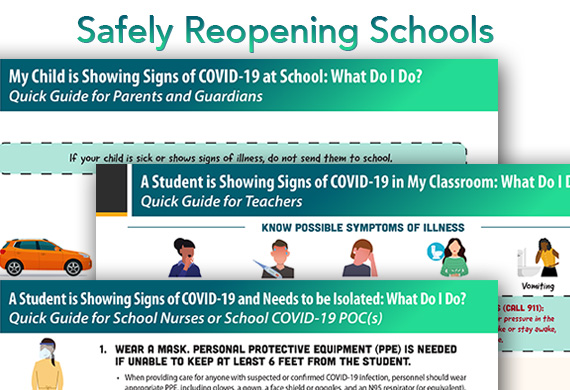
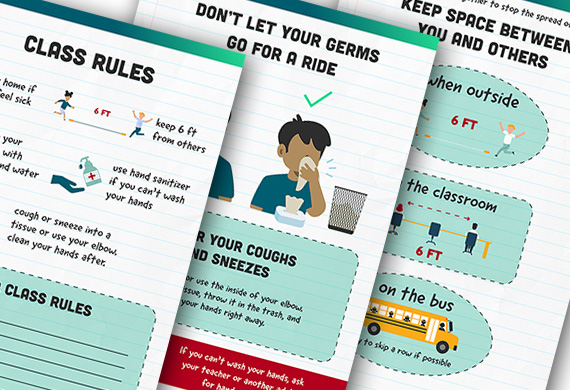
covid 19 protocols for reopening schools safely

clashgraphics.com gathered the following information about suggested COVID-19 school safety protocols, how schools can implement strategic signage to encourage their students to follow OSHA and CDC protective safety guidelines.

CDC Schools Reopening Guidelines

The Centers for Disease Control and Prevention (CDC) issued guidelines/considerations to help schools reestablish in-person learning while protecting the health of students, teachers, staff, their families, and communities. These considerations include:

  1. Promoting behaviors that reduce COVID-19’s transmission
  2. Maintaining healthy school operations
  3. Maintaining healthy school environments
  4. Preparations for when someone gets sick

There exists, within each community, unique needs and circumstances. The implementation of health and safety guidelines should be guided by their feasibility, practicality, acceptability, and tailored to the community’s needs.

Note: These considerations are intended to supplement - not replace - Federal, state, local, territorial, or tribal health and safety laws, rules, and/or regulations with which schools must comply.

1. Promoting Behaviors That Reduce COVID-19’s Transmission

Changing behaviors in our communities plays a crucial part in successfully returning to in-person learning, sports, and other social activities. These behaviors include:

  • Staying home when sick
  • Social distancing - staying 6 feet apart
  • Wearing a mask (especially when social distancing is difficult or entering in closed spaces)
  • Avoid touching eyes, nose, and mouth
  • Covering your cough or sneeze with a tissue (then disposing of the tissue in the waste bin)
  • Hand washing
  • Frequent hand sanitizing

In an educational setting, constant reminders like signs, monitors, and extra staffing can be used to help others permanently alter their behavior.

Behaviors that reduce the transmission of covid 19 in schools

2. Maintaining Healthy Operations

School administrators can make changes in the way they manage their schools to support and maintain healthy operations. Some of these changes include:

Measures to protect high-risk staff, teachers, and students

  • Enact policies (following applicable local, state, and federal law) to protect all individuals’ privacy at higher risk for severe illness regarding underlying conditions.
  • Provide limited exposure, work from home, and modified job responsibility options for teachers and staff at risk or with underlying medical conditions.
  • Provide virtual learning opportunities for students at risk or with underlying medical conditions.
  • Create and provide inclusive school programming for students with special physical needs, healthcare needs, and disabilities, allowing virtual or on-site class and activity participation with necessary assistance, modifications, and accommodations.

Further changes to consider:

  • Dividing teachers and students into groups and keeping those groups together.
  • Hybrid options - alternating schedule for remote learning and in-person learning.
  • Stagger student arrival, drop-off, and pick-up times to prevent or limit over-crowding and contact with parents, caregivers, and guardians.
  • Designate one staff member (school nurse) as the COVID-19 point of contact. This staff member should be known and accessible to students, teachers, staff, and families.
  • Implement more relaxed absence and leave policies to accommodate staff, teachers, and students staying home when sick, exposed, or caring for someone who is sick.
  • Create a back-up staffing plan to temporarily cover staff absenteeism.
  • Hold frequent training sessions with staff and teachers covering safety protocols, COVID-19 updates, recognizing signs and symptoms, and how to handle a situation when someone gets sick.

Watch this video from the CDC on protecting students, staff, families, and communities from COVID-19.

3. Maintaining healthy school environments

School administrators can make changes in providing and supporting a healthy environment for staff, teachers, and students. Some of these changes include:

  • Require universal mask use.
  • Increasing the frequency of cleaning and disinfecting surfaces throughout the school (door handles, desks, sink handles, vending machines, drinking fountains, etc.
  • Train and ensure the correct usage and storage of cleaning and disinfection products (these products should meet Environmental Protection Agency (EPA) disinfection criteria)
  • Discourage item sharing (devices, toys, learning aids, books, writing utensils, etc.).
  • Upgrade, improve, and increase maintenance frequency of the ventilation system to deliver clean air and filter or dilute potential contaminants.
  • Require or increase outdoor air ventilation by opening doors, windows, vents, and using fans to increase open door and window efficiency.
  • Flush plumbing system and open faucets to run water (this ensures water safety after prolonged periods of shutdowns or inactivity.
  • Modify seating/desk arrangements and positions to maintain students 6 feet apart (this includes classrooms, lunch/community areas, buses, and transportation alternatives).
  • Install sneeze guards and partitions in locations that make it challenging to remain 6 feet apart (restroom sinks, reception desks, etc.)

Watch this video from the CDC on maintaining a healthy school environment.

4. Preparations for when someone gets sick

Schools should be prepared for when staff, teachers, or students come down with symptoms of or receive a diagnosis of COVID-19. Consider the following preparatory steps and isolation/quarantine criteria:

  • Anyone with COVID-19 should not return to in-person activities until meeting the CDC’s criteria to discontinue home isolation. Read more on this criteria at cdc.gov/coronavirus/2019-ncov/if-you-are-sick/end-home-isolation.html
  • Those who have been exposed to the virus should not return to in-person activities until finishing their quarantine.
  • Educate staff, teachers, and students on when to stay home
  • Isolate and transport those who develop symptoms of COVID-19.
  • Clean and disinfect areas used by a sick person. It is recommended to wait for 24 hours before cleaning and disinfecting or as long as possible when 24 hours is not feasible.
  • Immediately notify health officials, staff, and families of any case of COVID-19. Certain measures of confidentiality must be maintained in accordance with the Americans with Disabilities Act (ADA), Family Educational Rights and Privacy Act (FERPA), and all other applicable laws and regulations.
  • Inform and educate individuals who’ve had close contact with a person who has tested positive for COVID-19 again, maintaining confidentiality as required by the ADA and FERPA.
  • Develop a building, facilities, and event closure procedure that activates if/when an infected person (during their infectious period) has been on campus or has had close contact with others.

Note: In the event, your school must close, communicate with your local public health officials to coordinate the extent, duration, and next steps for activity suspensions and cancellations.

Watch this video from the CDC about schools having a plan for when someone gets sick.

OSHA Guidance for the Workplace

The following is a summary of what to know about COVID-19 protection in the workplace, tailored for teachers and school staff:

  • One of the best ways to protect yourself is to maintain enough distance from other people, so you are not breathing in particles produced by an infected person – at least 6 feet.
  • Wash your hands often. Always cover your mouth and nose with a tissue or inside of your elbow when you cough or sneeze. Monitor your health daily and watch for COVID-19 symptoms.
  • Use face coverings. These are simple barriers to help prevent the exchange of respiratory droplets or aerosols. The CDC recommends that face coverings be made of at least two layers of tightly woven breathable fabric, without exhalation valves or vents.
  • The principal function of properly wearing a face covering is to shield or protect those around you in case you are infected without symptoms.
  • You should use face coverings whether you are showing symptoms or not. People with COVID-19 who do not develop symptoms (asymptomatic) and those not yet showing symptoms (pre-symptomatic) can still spread the virus.
  • Even if you have been vaccinated, it is essential to wear a face covering, maintain distance, and abide by other safety measures. It is not yet known how vaccination affects transmissibility.
  • Follow established COVID-19 prevention programs that include steps to keep staff, teachers, and students safe – including flexible schedules, personal protective equipment (PPE), and face coverings.

For more of OSHA’s guidance on mitigating and preventing the spread of COVID-19, visit osha.gov/coronavirus/safework

Social Distancing Signs for schools

Providing a safe learning environment is reliant on having a strategy and how it is implemented. That strategy should include directional and educational signage strategically posted throughout the school.

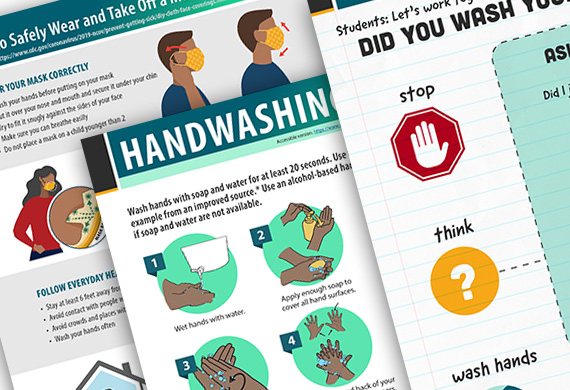
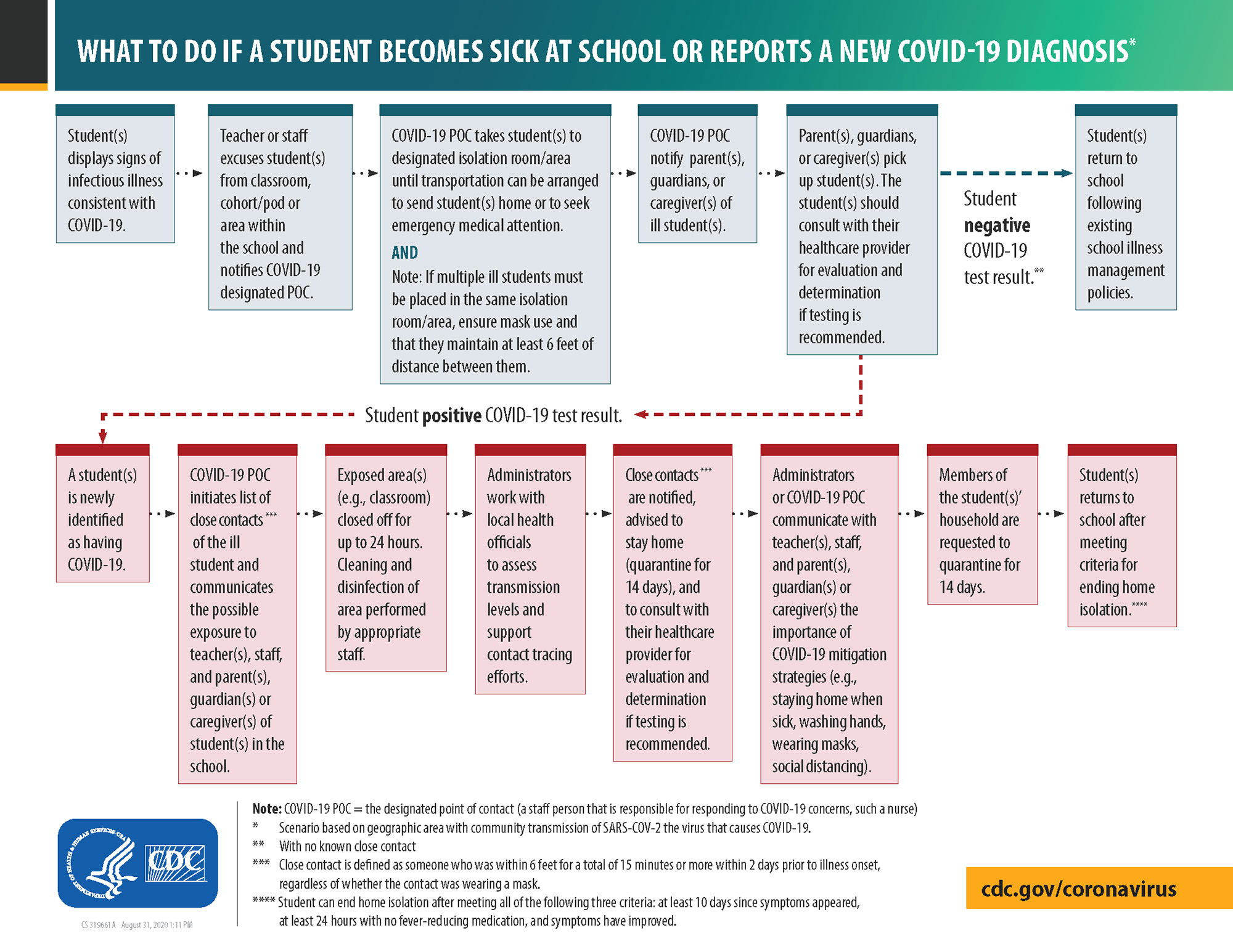
covid 19 prevention with hand washing and mask wearing protocols

The CDC developed the following signs and informative handouts for COVID-19 awareness to continuously remind students to wash their hands, maintain 6-feet between themselves and friends, wearing a mask, etc.

Tip: You can customize these signs and infographics with your school’s mascot, logo, or motto.

Visit the following links for more CDC guidance for schools:

  • K-12 Schools COVID-19 Mitigation Toolkit cdc.gov/coronavirus/2019-ncov/community/schools-childcare/FINAL-0321420_B_K-12_Mitigation_Toolkit508.pdf
  • How Do I Set Up My Classroom cdc.gov/coronavirus/2019-ncov/downloads/community/schools-childcare/How_Do_I_Set_Up_My_Classroom.pdf
  • Teachers and Staff Resuming In-Person Learning cdc.gov/coronavirus/2019-ncov/downloads/community/schools-childcare/Teachers_and_Staff_Resuming_In-Person_Learning_checklist.pdf

Note: As more research and patient data is collected, the above guidelines and recommendations may be modified to address virus mutations, increasing infection rates, vaccination efficacy, and other emergent data.

CDC Guidelines for Schools

In this article, you discovered valuable information about COVID-19 school reopening and safety protocols, a school’s use of signage to influence and guide students, and essential guidance from the CDC, OSHA, and NIH.

Implementing a school reopening strategy that protects students, teachers, and staff creates a safe, organized, and nurturing environment to resume in-person learning.

Without good planning, guidance, and informational signs, many children and some adults are likely to forget or not follow safety guidelines. It only takes one person to cause another outbreak.

Sources:
cdc.gov
niaid.nih.gov
epa.gov/pesticide-registration/list-n-disinfectants-coronavirus-covid-19
health.harvard.edu/diseases-and-conditions/preventing-the-spread-of-the-coronavirus
eeoc.gov/facts/pandemic_flu.html
www2.ed.gov/policy/gen/guid/fpco/ferpa/index.html

Clash Graphics Print Shop Atlanta Flyer Printing

2233 Peachtree Rd NE Ste 202 AtlantaGA 30309

(678) 235-3464

To view the original version on Clash Graphics, visit: https://www.clashgraphics.com/printing-tips/social-distancing-in-schools/

Thursday, January 21, 2021

10 Tips for Working from Home Effectively

Avoid letting distractions and disarray cause your underperformance when working remotely. Knowing how to maximize your time and surroundings when working from home can lead to exceptional work results and increased professional and personal structure.

Working from home online

clashgraphics.com gathered the following information about how working remotely from home suddenly became the new standard and ten tips to help you create an ideal workspace focused on your efficiencies.

Working Remotely

March of 2020 marked the beginning of a massive and transformative shift in the way companies, big and small, were conducting business. The office setting and culture had to quickly shift to accommodate new social distancing and illness prevention guidelines being suggested by the CDC and mandated by local, state, and federal governments. The pandemic and eventual post-pandemic era had begun, and with it, the widespread implementation of working from home standards.

Working from Home Tips

If there are a hundred distractions in an office setting, there are a thousand distractions at home. The following 10 tips will help you eliminate many of those unwanted distractions, improving the quality and output of your work:

#1 - Create a Dedicated Workspace - Ideally, if you have a spare bedroom or den, you can maneuver the furniture, lighting, and decor to create an isolated, productive workspace. If space is an issue, your dining room table, countertop, or coffee table will have to do.

Dedicated work space when working from home

In either situation, the space you dedicate as your workspace should be treated solely as a workspace when you are on the clock.

#2 - Keep Your Workspace Clean - Clutter is the enemy of organization. When working from home, you don’t have a company janitor to clean your desk or pick up after you. Take the time each day to maintain your space clean and clutter-free.

Knowing how to get organized at work plays a big role in efficiency, so read the previous link for more tips about getting your new home workplace organized.

#3 - Choose and Set Up Your Technology - As soon as you start your work from home journey, ask your employer for the equipment and technology you need to efficiently reach and surpass your goals. This may include:

  • Laptop
  • Keyboard
  • Mouse
  • Software
  • Printer

Your employer should also grant you remote access to their corporate virtual private network (VPN), allowing you to share and receive company information and documents securely.

Note: Your employer may have created a budget to support your work-from-home setup. When making requests, be reasonable; they will probably reject a request for a new 85” flatscreen tv.

Tip: Research prices and functionality of the items you require. Take a look at this top 4 all-in-one laser printer reviews to find the perfect printer for your new home office.

#4 - Establish Boundaries - If you live alone, this will be relatively easy. Consider the following measures to eliminate distractions when on the clock:

  • Avoid personal calls and texts
  • Stay off social media sites
  • Leave the tv shows or movies for later
  • Resist the urge to take a nap

If you live with family, children, or have roommates, consider the following in addition to the above:

  • Communicate the necessity for uninterrupted quiet time
  • Define what constitutes a valid reason for interruptions
  • Make a set of rules to be followed when you are working

Note: Just because you are home does not mean that you are there to take care of the dogs, watch the kids after school, or participate in household activities. Ask the question, “How would this get done if I weren’t here?” Your answer is the solution.

#5 - Get Dressed for Work - However you dress for work, get dressed. This, in part, helps you maintain your morning ritual, gets you into “work mode,” and will assist in keeping you out of trouble during video conference calls.

#6 - Maintain a Regular Work Schedule - Establish clear guidelines for when work begins and when work ends. This will help you maintain a balance between work and home life. If your employer doesn’t utilize a time tracking app, consider suggesting one of the following:

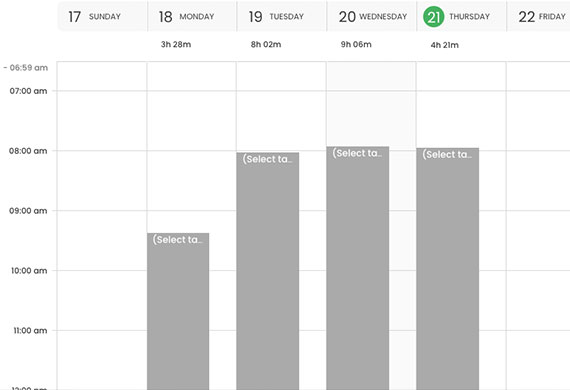
Use a time tracking app when working from home

  • TimeCamp
  • Clockify
  • Toggl Track
  • RescueTime
  • HourStack

Note: These apps not only help you organize your time; some can help reduce distractions, track project times and efficiencies, and offer daily, weekly, or monthly views of time entries.

#7 - Schedule Regular Breaks and Take Them - If you don’t know your employer’s policy on breaks and lunches, contact your Human Resources representative or refer to your employee handbook for the exact parameters.

Regular breaks and lunch periods are important when working from home

Note: In most cases, US employees can expect a 30-minute lunch break plus two ten-minute breaks during an eight-hour workday (times may vary depending on your employer’s policies).

#8 - Attend Meetings and Training - Even working from home, department meetings and training courses are still a necessity. These meetings and courses have mostly commuted from in-person to video and/or conference calls.

Ensure that all mandatory meetings are on your schedule, and you have the proper credentials to attend them. In-person or virtual, showing up late to a meeting is never a “good look” for your professionalism.

Some of the online meeting platforms you and your company may use are:

  • Zoom
  • Skype
  • Microsoft Teams
  • Google Meet

Tip: Attend other “optional” meetings and training sessions. This will help you keep in touch with a broader range of employees from your company.

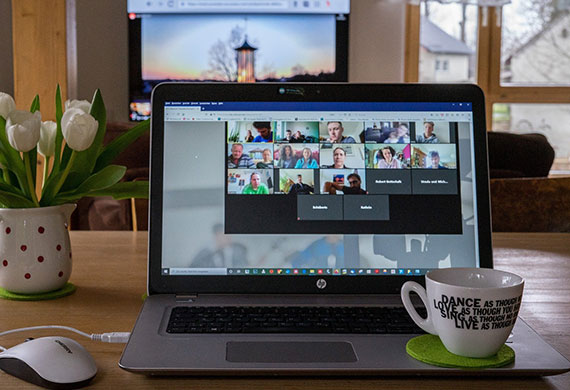
Attend online meetings and stay connected with coworkers when working from home

#9 - Stay Connected With Your Colleagues - Carve out time and schedule meetings with colleagues, clients, contractors, and peers. Staying in touch with these people helps you remain visible in your professional field and, more importantly, to your employer.

#10 - When You End Your Day, End Your Day - The same way you used to clock out and go home for the day, clock out at the end of your shift and put your work away until the beginning of your next shift.

It’s incredibly easy to lose track of time when you are buried in a project. Set an alarm or reminder that it’s time to shut it down and go back to enjoying your home.

Working Remotely from Home

In this article, you discovered what prompted a global shift towards working remotely and tips designed to help you eliminate distractions while increasing productivity.

By making a few simple adjustments, you can increase your efficiencies and output when working from home.

Allowing continued distractions and inconveniences when working from home will cause your productivity to drop and cause potential problems for your employment stability.

Sources:
baylor.edu/coronavirus/index.php?id=967757
siepr.stanford.edu/research/publications/how-working-home-works-out

Clash Graphics Print Shop Atlanta Flyer Printing

2233 Peachtree Rd NE Ste 202 AtlantaGA 30309

(678) 235-3464

To view the original version on Clash Graphics, visit: https://www.clashgraphics.com/printing-tips/10-tips-for-working-from-home-effectively/

Monday, December 14, 2020

Standard Operating Procedure Checklist

Prevent unwanted work variations and confusion over processes from costing your business time and revenue. By implementing standard operating procedures, you can consistently attain higher efficiencies and desired work results.

SOP development writing and implementation for improved organizational standards

clashgraphics.com defines what an SOP is and compiled the following checklist to help you define, develop, and implement standardized processes using standard operating procedures.

What is a Standard Operating Procedure?

A Standard Operating Procedure (SOP) is a printed or digital document that outlines detailed instructions to help workers perform tasks uniformly, properly, and safely.

An SOP’s primary objective is to prevent misinterpretations and inconsistencies in both work methods and product results while complying with industry-specific standards.

SOP Checklist

Use this checklist to create, maintain, and update the standard operating procedures for your business.

Phase 1: Planning


Name your project. e.g. SOP-Phone-Assembly or Phone-Production-SOP


Identify the desired outcomes from these procedures.


Define how to measure progress towards those outcomes.


Define the frequency in which your SOP will be reviewed and updated (if required).


Identify those employees, managers, technicians, and advisors that will participate in the SOP creation process.

Note: The more accurate your definitions are in this phase, the better references you will have in the following phases.

Tip: This phase is where you should clearly identify any ISO standards or OSHA requirements applicable to the process and/or product you are standardizing.

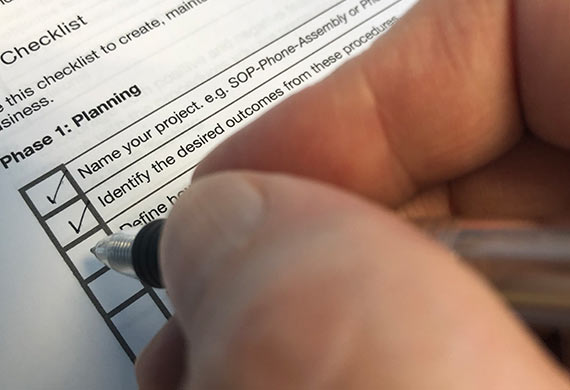
SOP organizational checklist for standard operating procedure development and implementation

Phase 2: Writing the Document


Document all steps, as currently implemented, from beginning to end.


Determine the most appropriate format that easily conveys/describes the process.


Step-by-step, walk through the process, describing actions and/or decisions an employee will need to take in order to reach the desired outcome(s) from phase one.


Include diagrams, images, flowcharts, and other visual aids that clarify process steps.

Tip: Include demonstrations or images of what happens when the SOP fails its intended purpose. This will help employees better visualize the improvements expected from this document.

Phase 3: Suggestions and Improvements


Provide copies of your SOP’s 1st draft to those employees defined in phase 1 and ask for their input.


Identify steps that are unclear, inefficient, or redundant.


Consult individuals outside of your company for their input. This may offer an entirely new layer of objective feedback for your processes.


Once you’ve collected everyone’s feedback, revise your 1st draft.


Once revised, repeat phase 3 (repeat this process until you are fully satisfied with input and revisions)

SOP suggestions for process and instruction improvement

Tip: Encourage both positive and negative feedback. This engages people to be more interactive with the procedures you are presenting.

Phase 4: SOP Testing


Form three test groups to perform tasks established in your SOP.

1 Inexperienced/novice group

1 Intermediate group

1 Advanced/highly skilled group


Ask each group to strictly follow the SOP and flag any difficulties, confusions, or procedural errors they encounter.


Address and revise any flagged procedures.


Run your revised SOP through testing again. Repeat and revise until you are comfortable that you have reached or exceeded your desired outcomes established in phase 1.

Note: Take your employees’ capabilities into consideration when performing test runs and set realistic expectations for the procedures.

Phase 5: Promote Your New Document


Produce a final printed and digital edition of your SOP.


The digital copy of your SOP should be accessible to all employees for reference.


Printed copies should be available in common areas and distributed to employees.


Many organizations include their SOP in hiring packages or in employee handbooks.

Tip: Have your final SOP edition professionally printed and converted into a booklet or catalog with your company logo and a message to your employees on how this document will improve workplace efficiencies. For more information on professional booklet or catalog printing, visit clashgraphics.com/categories/multi-page-booklets/

Phase 6: Personnel Training


Prevent unwanted work variations and confusion over processes by training your employees using your newly minted SOP.


Remain open to questions and both positive and negative feedback throughout the training process.


As new processes become routine, provide encouragement, praise, and positive feedback to your employees.

Note: Keep track of your production output/results pre SOP and compare those numbers with post SOP results to measure your efforts’ effectiveness.

Tip: Engage your HR department or representative to survey employees after the SOP rollout. Sometimes, employees find it easier to express their opinions and feedback in a Human Resources setting.

SOP training and practical use

Standard Operating Procedures

In this article, you discovered what an SOP is, how to define and develop one, and how to implement it after being tested and approved.

Increase workplace efficiencies and eliminate undesirable work outcomes by defining expectations and offering a clear pathway to meet them with standardized procedures.

Without clearly defined procedures, employees may produce unwanted variations in work outcomes, resulting in costly delays and revenue loss.

Sources:
ccts.osu.edu/content/writing-standard-operating-procedures-sops
extension.psu.edu/standard-operating-procedures-a-writing-guide
ecommons.cornell.edu/bitstream/handle/1813/36910/sopsdir.pdf;sequence=1
ncfreshproducesafety.ces.ncsu.edu/wp-content/uploads/2014/03/how-to-write-an-SOP.pdf?fwd=no

Clash Graphics Print Shop Atlanta Flyer Printing

2233 Peachtree Rd NE Ste 202 AtlantaGA 30309

(678) 235-3464

To view the original version on Clash Graphics, visit: https://www.clashgraphics.com/printing-tips/standard-operating-procedure-checklist/